
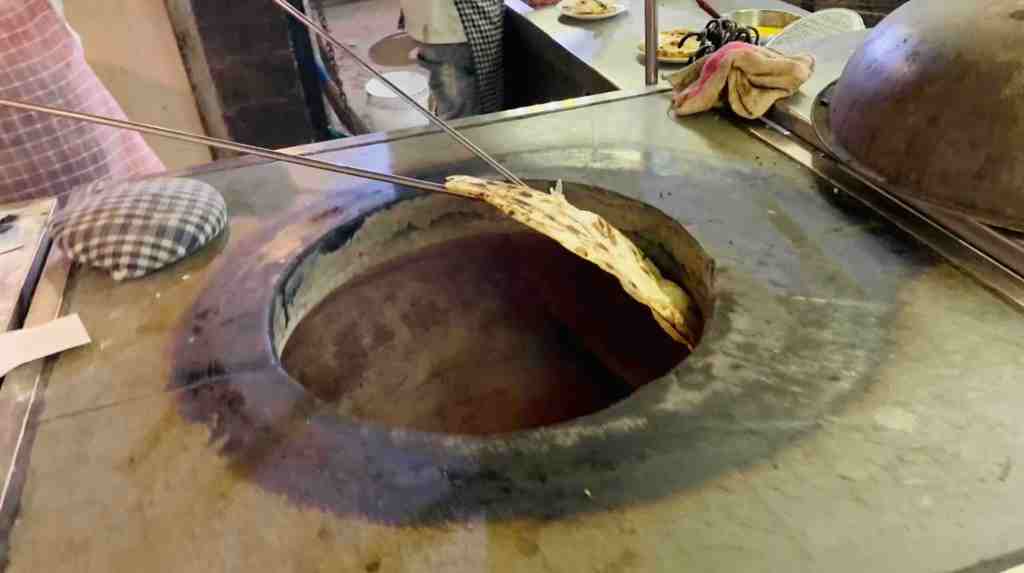
Restaurant Portofino, nestled in the serene backdrop of Colva, Goa, away from the beaches, is a culinary gem that offers a unique dining experience of mainly Indian kitchen next to the road leading to Colva beach. The restaurant is particularly notable for its traditional naan bread, prepared in an outdoor tandoor oven. Or at least was, almost 10 years ago, when I visited there. The quaint eatery, with its ambient terrace, invites guests to witness the captivating process of naan making, adding an interactive and authentic touch to the dining experience under the starry light sky of Goa.
See the video of the restaurant Portofino and their tandoor oven one decade back.
The Art of Making Naan in a Tandoor Oven
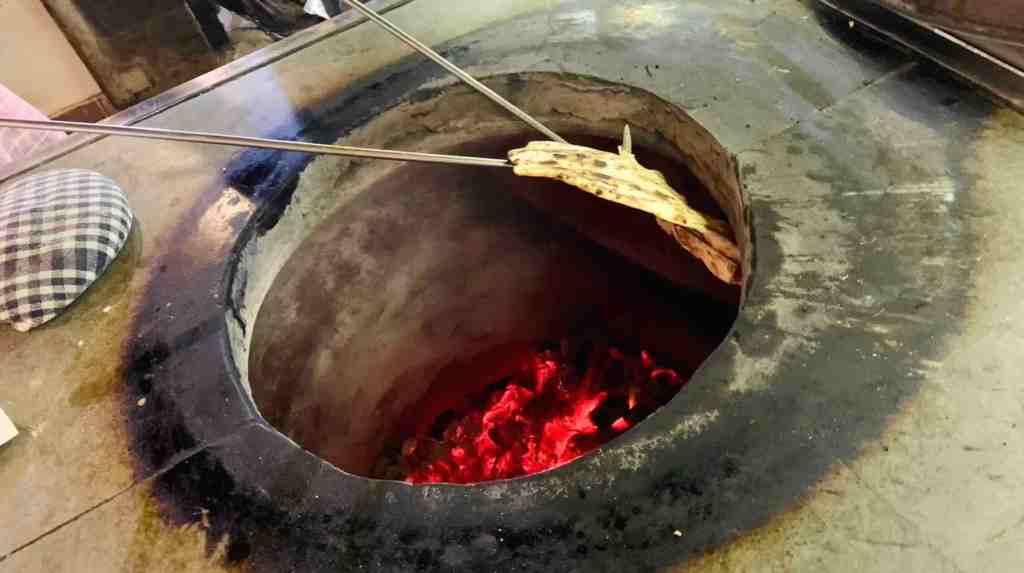
Why I’m making such a big issue out of the tandoor oven, locals might be asking. But you know, it is a very exotic thing for people coming from Europe and Scandinavia. The process of making naan in a tandoor is a blend of culinary art and tradition. A tandoor oven, a cylindrical clay or metal oven used in traditional Indian cooking, is the cornerstone of this process. The chefs skillfully prepare the dough, a simple yet precise mixture of flour, water, yeast, and yoghurt, which is then expertly slapped against the hot inner walls of the tandoor. The high heat of the oven puffs the dough rapidly, creating the distinctive bubbles and charred spots that characterize a perfect naan. And as a side note, the fire is also often burning away the hair in the cooks arms. I have seen many young men by the road in Goa cooking food in tandoors and you can only imagine the demandingness of that job in the tropical heat. But the authentic naan bread, baked in the tandoor, does taste awesome.
Recipe for Traditional Indian Naan Bread
To recreate this traditional naan bread at home, you will need a tandoor oven or a very hot conventional oven. Here’s a basic recipe:
Ingredients:
- 4 cups all-purpose flour
- 1 tsp baking powder
- 1 tsp salt
- 1 cup warm water
- 2 tsp dry yeast
- 1 tsp sugar
- 4 tbsp yoghurt
- 2 tbsp ghee or melted butter
Instructions:
- Dissolve yeast and sugar in warm water and set aside for 10 minutes, or until frothy.
- In a large bowl, mix flour, salt, and baking powder. Add the yeast mixture, yoghurt, and enough warm water to form a soft dough.
- Knead the dough on a floured surface until smooth, then cover and let it rise in a warm place for about 2 hours.
- Preheat your tandoor or oven to its highest temperature.
- Divide the dough into balls, roll them out into thin ovals, and carefully slap them onto the side of the hot tandoor or onto a hot baking tray.
- Cook until puffed up and golden brown, then brush with ghee or butter.
Garlic Naan Recipe
To make garlic naan, you can modify the traditional naan recipe with the following adjustments:
Ingredients:
- Prepared naan dough
- 4 cloves of garlic, finely chopped
- 2 tbsp coriander leaves, chopped
- Additional ghee or butter for brushing
Instructions:
- Follow the traditional naan recipe for preparing the dough.
- Once the dough is rolled out, sprinkle the chopped garlic and coriander leaves on top, pressing them gently into the dough.
- Cook the naan as per the traditional recipe.
- Once cooked, brush with additional ghee or butter.
How to eat naan bread
Eating naan bread involves a specific approach that enhances the dining experience, especially for those unfamiliar with it. I’ve seen Western people in restaurants in West unknowingly eating naan like a sandwich. Unlike a sandwich, naan is not typically used as a wrapper or filler. Here’s a guide on how to properly enjoy naan bread:
- Tear, Don’t Cut: Naan is traditionally torn by hand, not cut with a knife. This method is not only practical but also allows you to appreciate the texture and feel of the bread. Tear off a piece that’s just a few bites in size.
- Use as a Utensil: In many Indian meals, naan serves as a utensil. Use the torn piece of naan to scoop up gravies, dals (lentil dishes), and other soft foods. This method is integral to the Indian dining experience and allows for a delightful combination of flavors.
- Pair with Dishes: Naan is often eaten alongside main dishes like curries, kebabs, or grilled meats. It’s best enjoyed when used to soak up sauces or gravies, enhancing the bread’s flavor with the rich and spicy notes of the accompanying dish.
- Eating Stuffed Naan: If you’re having a stuffed naan, such as garlic naan or paneer naan, it can be eaten on its own or used to scoop up other foods. The stuffing adds flavor, making these naans a treat in themselves.
- Avoid Overstuffing: Unlike a sandwich, naan is not meant to be overstuffed with fillings. If you’re adding anything to your naan, keep it minimal. The focus should remain on the naan and its combination with the main dish.
- Eating with Hands: Naan is traditionally eaten with your hands, which is considered part of the authentic experience. However, in more formal settings or according to personal preference, utensils can be used.
- Complement with Sides: Naan can be complemented with side dishes like raita (a yogurt-based condiment), pickles, or chutneys. These sides can add an extra dimension of flavor to your meal.
- Freshness is Key: Naan is best enjoyed fresh and warm. If it cools down and becomes stiff, it loses its delightful texture and may not pair as well with dishes.
- Savor the Experience: Finally, enjoy naan as part of the broader culinary experience. Appreciate its texture, flavor, and the way it complements other components of your meal.
Understanding how to eat naan bread enhances the enjoyment of Indian cuisine, offering a glimpse into the cultural practices and culinary traditions of India. It’s a simple yet important aspect of engaging authentically with a rich and diverse food culture.
The culinary experience at Restaurant Portofino in Colva, or any other restaurant with its open-air naan preparation, offers not just a meal, but a glimpse into the heart of traditional Indian cooking. The ability to watch naan bread being expertly crafted in a tandoor oven adds an immersive and authentic dimension to the dining experience, making such a restaurant a must-visit destination for any culinary enthusiast exploring Goa.
Useful links:




 INDIVUE - travel & art
Leave a comment