
This article on Goa road travel focuses on the experience, routes, and practical aspects of journeying through this picturesque destination with sun-kissed beaches, vibrant markets, and historic sites. Exploring Goa by road opens doors to hidden gems, serene landscapes and authentic local culture. Delve into the aspects of road travel in Goa through planning, executing and enjoying the exciting journey.
1. Choosing the Right Vehicle
Whether you prefer self-driving or hiring a chauffeured vehicle, there’s something for everyone in Goa:
- Car Rentals: Many agencies offer car rentals with flexible options, which are suitable for solo travelers, couples or families.
- Two-Wheelers: Renting a scooter or a motorbike is popular among travelers seeking a more adventurous experience.
- Taxis and App-based Cabs: For those who prefer chauffeured comfort, taxis are readily available.
Goan taxi drivers used to be very strict from where a tourist can take a taxi. Very often you weren’t able to call a familiar taxi from outside to your hotel, but instead you were forced to use only the taxis that stayed parked by your hotel area. This strict practice of local taxi drivers might have changed now if Goa has been able to take Uber taxi system into practice.
2. Key Routes and Destinations
Goa’s network of well-maintained main roads connects its popular beaches, markets, and historical sites with smaller roads:
- North Goa Circuit: Starting from Panaji, this route takes you through Candolim, Calangute, Anjuna and Vagator beaches.
- South Goa Circuit: Explore the quieter side of Goa, including Colva, Majorda and Palolem beaches along with Cabo De Rama fort.
3. Road Safety and Regulations
Driving in Goa adheres to India’s left-hand traffic system. Understanding local traffic rules and maintaining safety precautions is essential. Always carry a valid driving license and other relevant documents.
4. Culinary Stops and Local Cuisine
The Goan roadways are dotted with local eateries and restaurants offering delicious Goan cuisine. Don’t miss the opportunity to taste seafood dishes, vindaloo and the famous Goan Feni.
5. Emergency Services and Assistance
It’s wise to have local emergency numbers and know the location of nearby medical facilities. If you have any concerns or need assistance while in Goa, local police, tourist information centers and hotel staff are typically well-informed about the nearest medical facilities and emergency contacts.
6. The Experience of Goa’s Countryside
Beyond the bustling beaches, road travel in Goa allows you to explore the tranquil countryside. Rice paddies, spice plantations and small villages offer an authentic glimpse into Goan life. With the right planning and a spirit of adventure, the roadways of Goa promise a journey filled with discovery, joy and unforgettable memories.
Local Transport Options in Goa
Local transport in Goa is as colorful and diverse as the region itself, catering to tourists with various preferences and budgets.
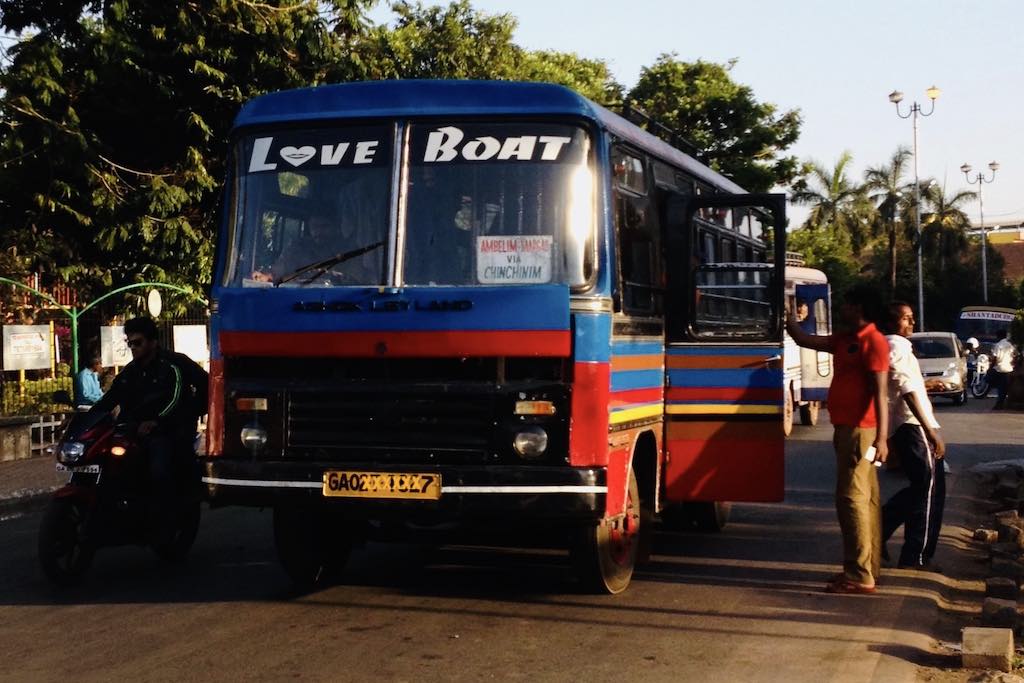
1. Buses: The Economical Option
Goa’s public bus network offers an affordable way to explore both urban centers and rural areas:
- Government Buses: Kadamba Transport Corporation (KTC) operates a wide network covering major routes and tourist destinations.
- Private Buses: Many private operators run regular services, often with more frequency and extended hours.
Note that there are not many bus stops in Goa, but instead you get off when you need to. Local buses can get very crowded and they don’t have A/C.
2. Taxis and App-Based Cabs: Comfort and Convenience
For those prioritizing comfort and direct routes, taxis provide a flexible solution:
- Yellow-Black Taxis: Registered local taxis, found at airports, railway stations and tourist spots. They don’t have A/C option so they are cheaper and they often work with the taxi meter.
- White Cabs: White taxis come with A/C and non A/C, and non A/C cab is naturally cheaper.
Taxis have different fares for day time and night time and if you go for sightseeing, you can pretty much negotiate the prize. The driver can also wait for you, if you visit some market etc. But be aware, that many taxi drivers follow the agreed route and prize only and will not agree to go anywhere else extra. Check my article about the taxi prizes in Goa from the Dabolim airport to North Goa and South Goa, which will give you some idea of the taxi traveling expenses.
3. Two-Wheelers: Freedom to Explore
Renting a scooter or motorbike is a favorite among tourists:
- Scooter Rentals: Widely available, scooters are perfect for solo travelers or couples. Many Western tourists also adopt the Indian way of family traveling with kid standing in front of the driver and mommy sitting behind the driver.
- Motorbike Rentals: For a more adventurous experience, various models of motorbikes are available for rent.
Remember to wear helmets and adhere to traffic rules for a safe ride. Wearing a helmet is now mandatory even on small roads in Goa and according to my experience the traffic police very easily stops Western tourists without helmets to fine them.
You can usually rent the helmet with the bike or scooter. Carry your own scarf along in order to make the use of helmet more hygiene.
Goan roads are pretty much safe during daytime but be extra cautious in dark during night time. I’ve seen not only stray dogs, cows and other animals but also drunk drivers on the small roads of Goa.
4. Auto-Rickshaws: Short-Distance Travel
Auto-rickshaws are perfect for short distances and bustling city areas:
- Metered Rickshaws: Ensure that the meter is used or negotiate the fare beforehand.
- Shared Rickshaws: Popular among locals, these follow fixed routes and are quite economical.
In theory it is possible to ride with an auto-rickshaw from North Goa to South Goa, as I’ve tried that, but just like with motorcycle or scooter, you will get black with all the traffic dust, so be aware. But yes, the wind is lovely and is sometimes worth getting black.
5. Ferries and Boats: Navigating Waterways
Experience Goa’s waterways through local ferries and boats:
- River Ferries: Transporting vehicles and passengers, these are vital links across rivers, and they’re free for pedestrians.
- Water Taxis: A scenic way to travel between key locations, like from Baga beach to Anjuna Flea Market beach on Wednesdays.
6. Cycle Rentals: Eco-Friendly Exploration
For the environmentally conscious traveler, bicycles are available for rent in tourist areas, providing a leisurely pace to explore the surroundings. But pedestrians and bicyclists don’t have their own safe lanes in Goa.
Goa’s transport system invites tourists to explore, engage and enjoy at their own pace and since regulations and services may change, travelers are advised to verify information with local authorities or trusted travel guides.
Useful links:
 INDIVUE - travel & art