

(Originally posted in 2012, updated in 2025)
Goa is located in the West coast of India by the Arabian Sea and it has over 100km of coastline.
In this article you will find all the beaches of Goa. You will find the beaches for swimming and also other essential beaches and beach fortresses of Goa.
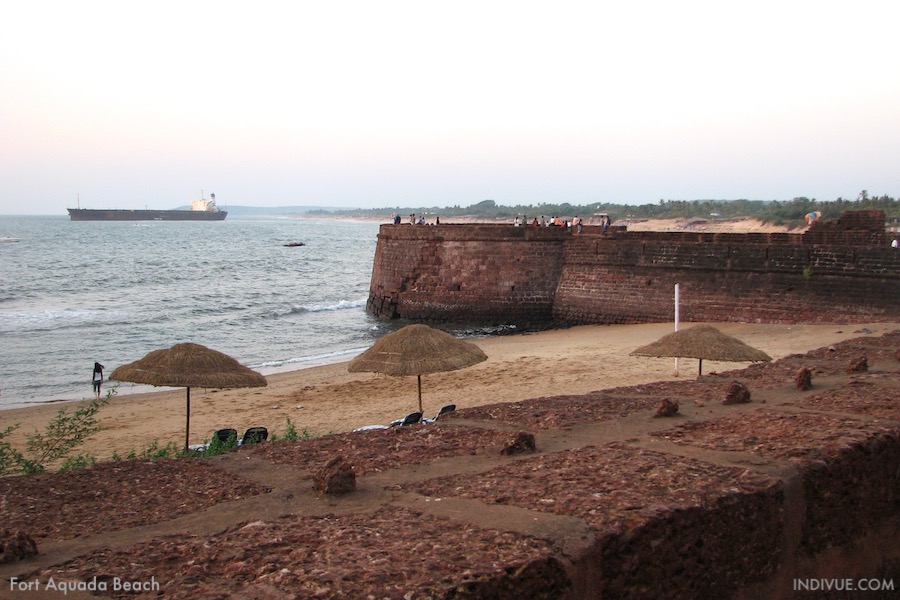
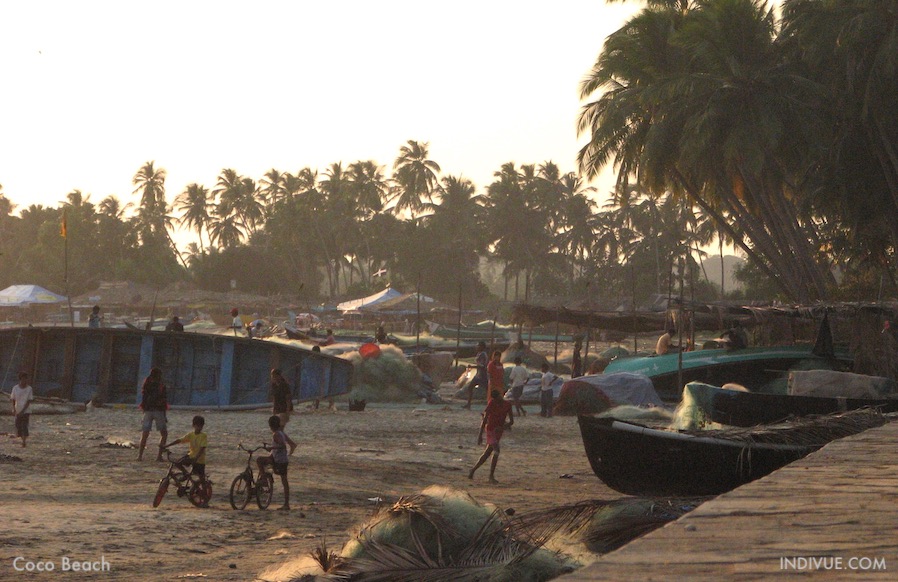
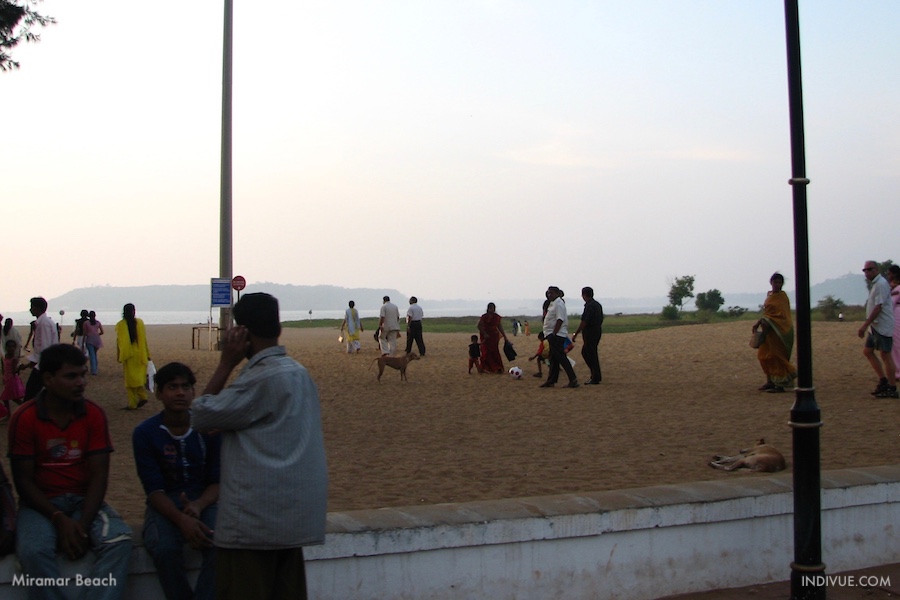
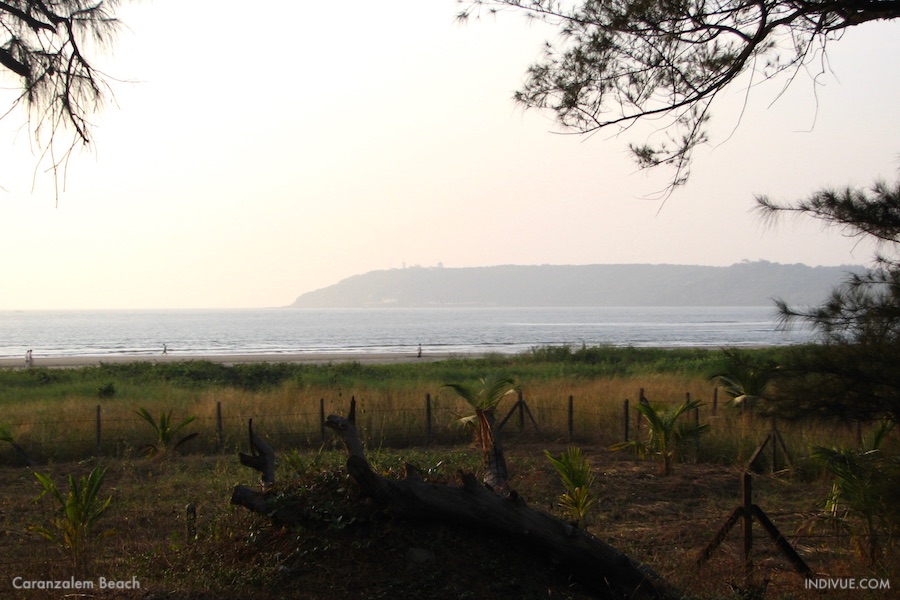
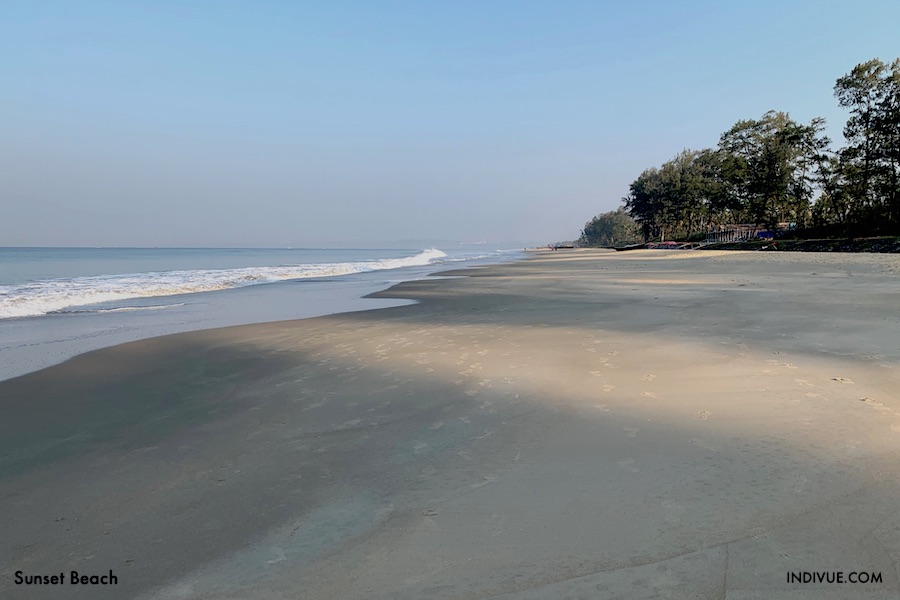
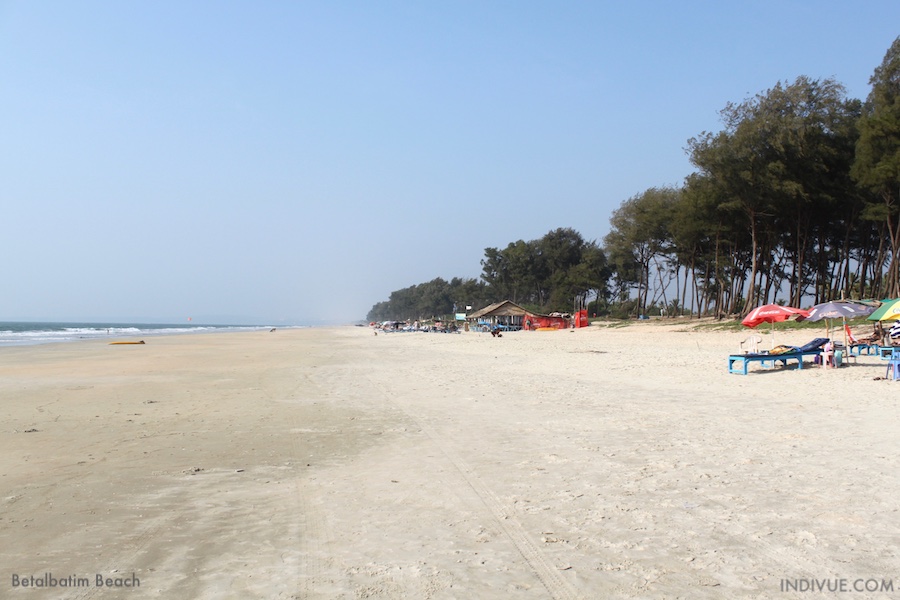
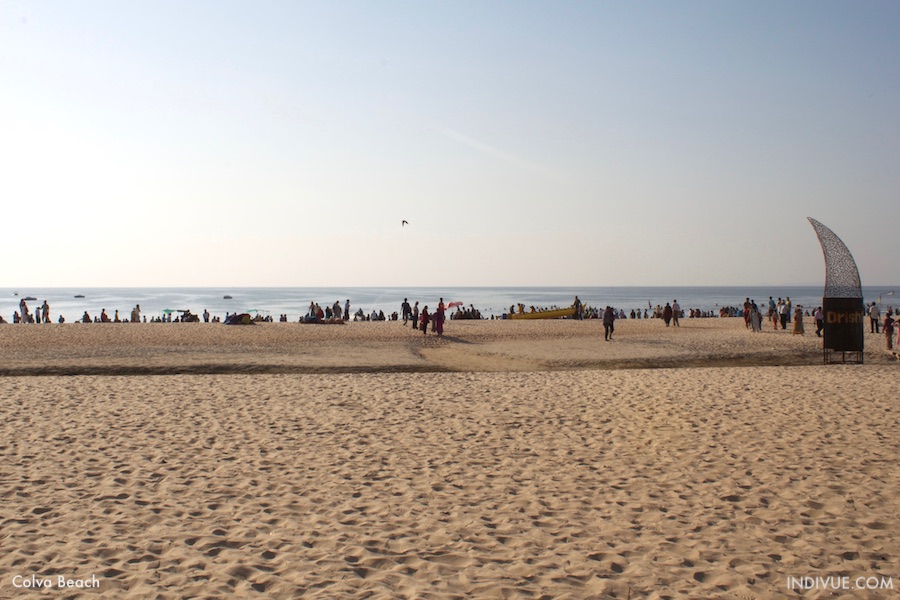
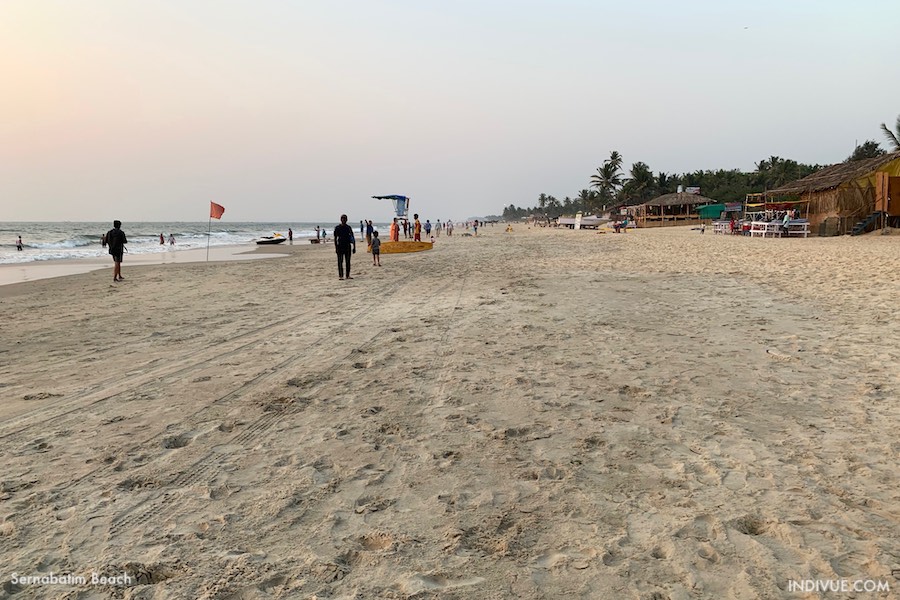
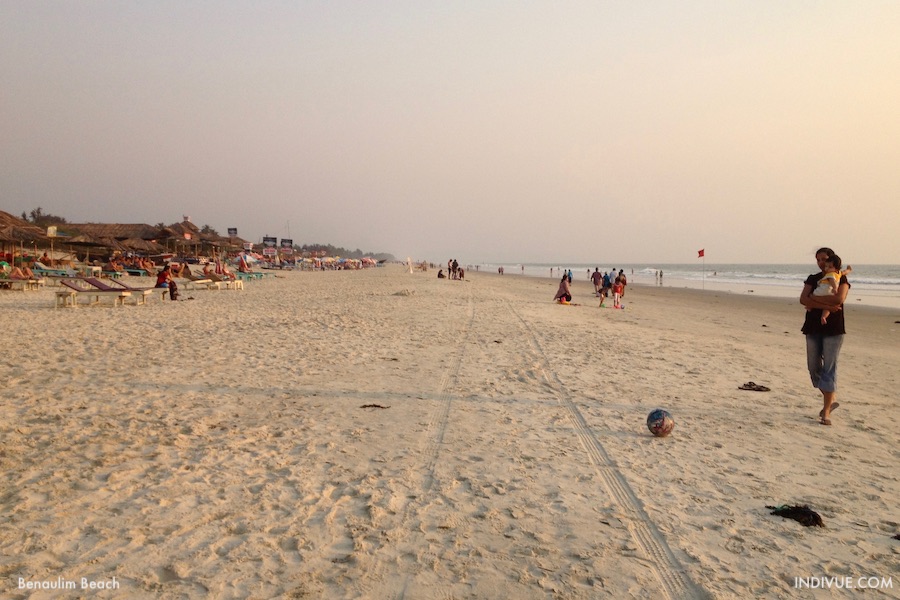
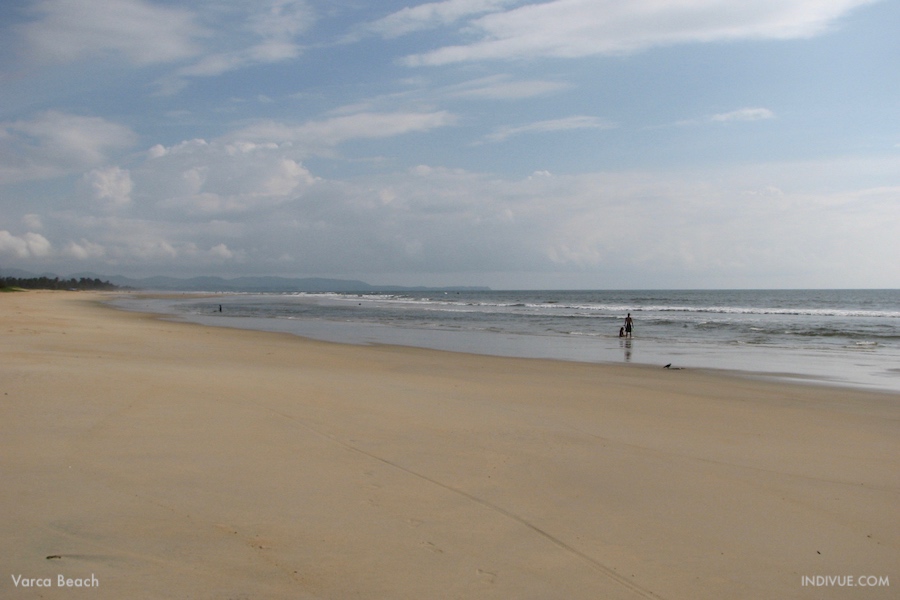
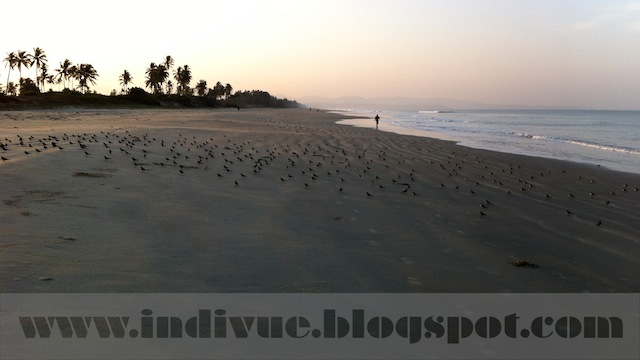
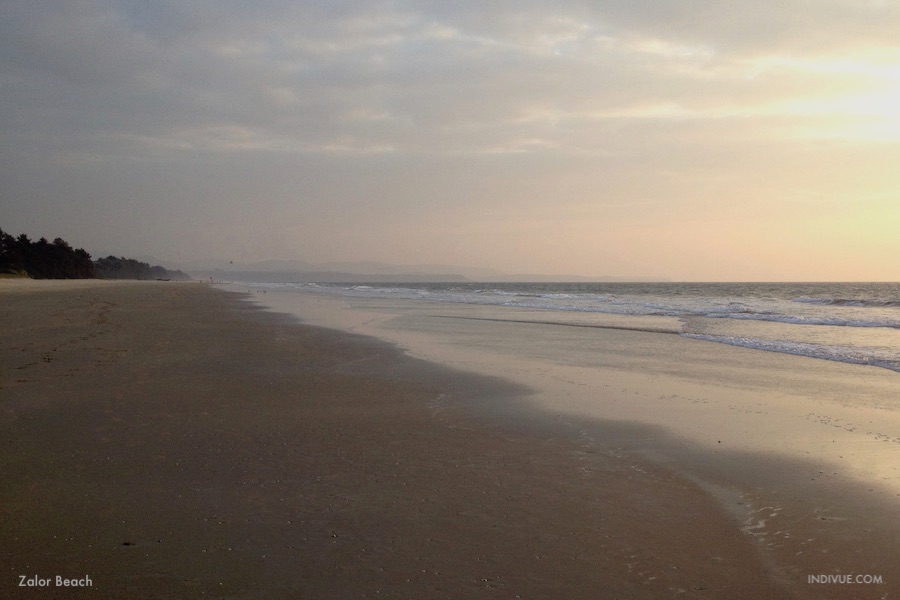
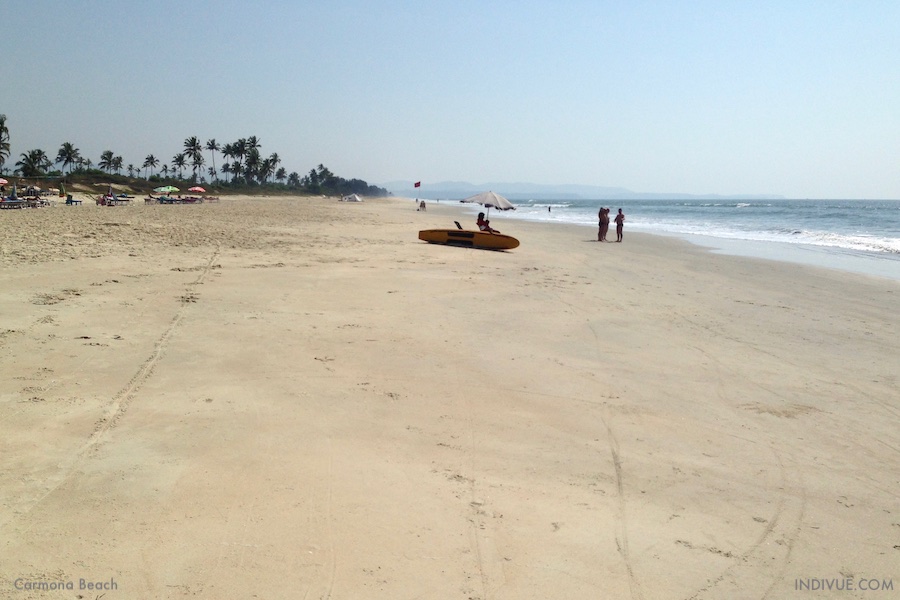
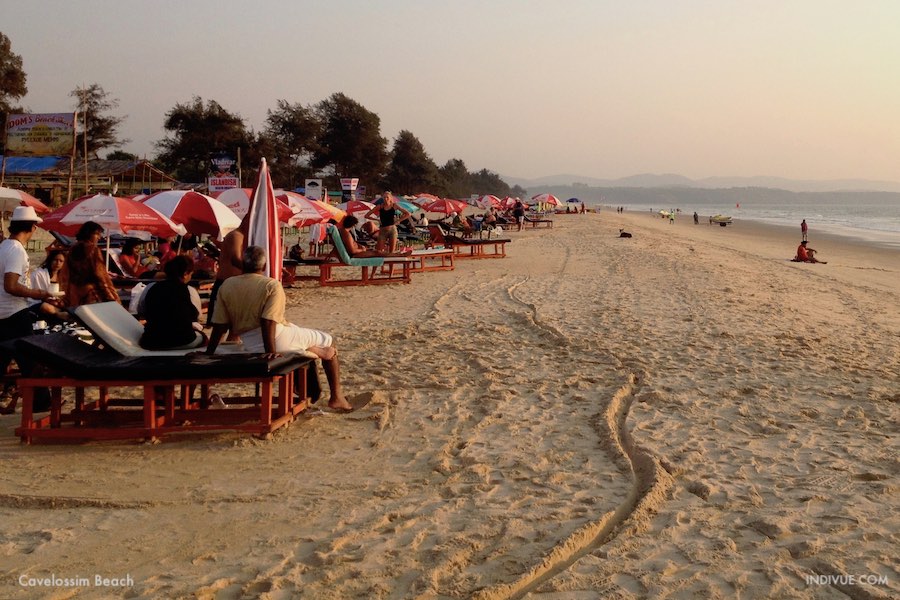
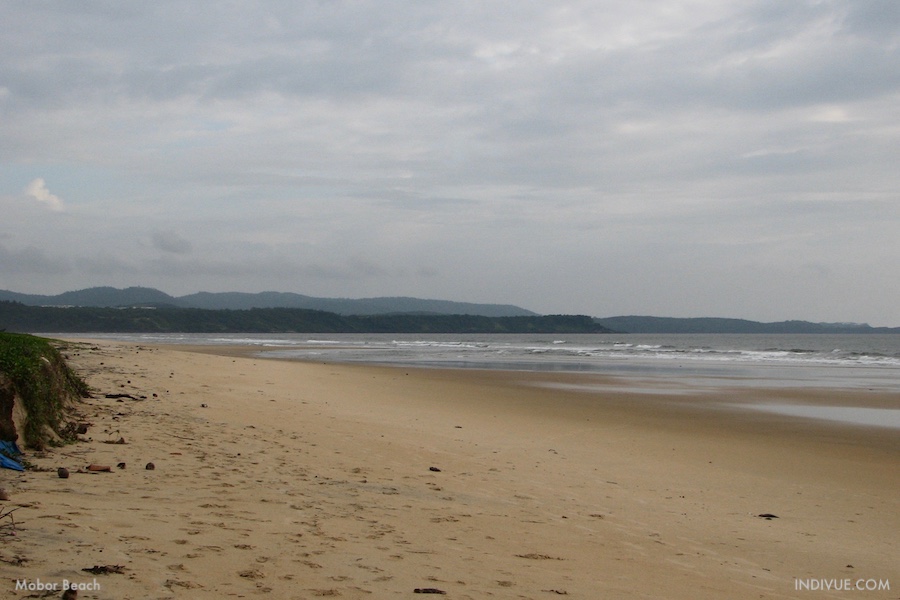
The beach photos are in descending order from the tip of North Goa all the way down to South Goa.
I have photographed and videographed all these beaches between the years 2006 and 2019 and the last update on these images was made on 2/2019.
These images are links to videos. When you click the image, my YouTube video will open. Enjoy the adventure!
ALL THE BEACHES OF GOA
North Goa beaches
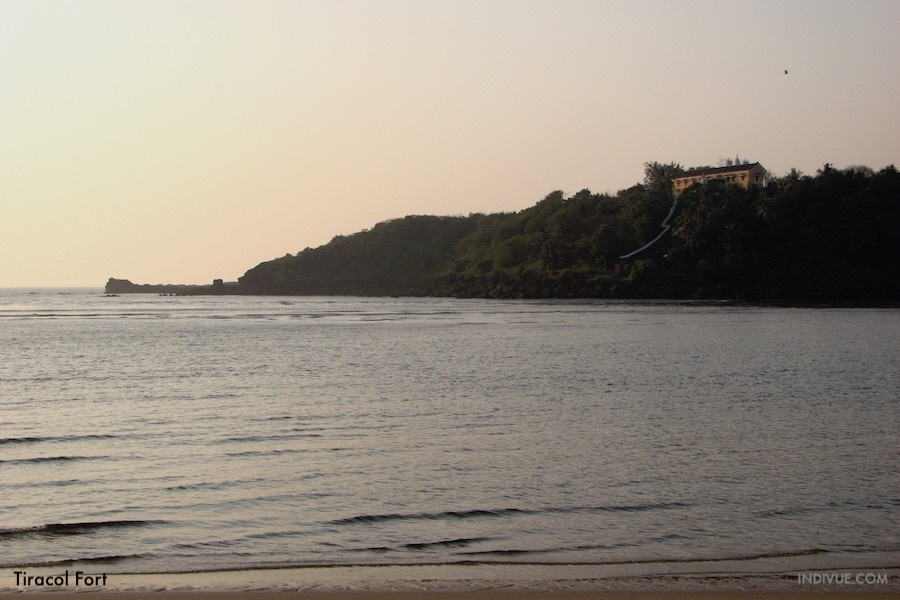
Tiracol Fort tranquility
Perched gracefully at the northernmost tip of Goa, Tiracol Fort (also known as Fort Tirakol) is a timeless sentinel watching over the confluence of the Terekhol River and the Arabian Sea. In the golden hush of sunset, as I’ve captured in the image above, the fort emerges from a green-capped headland, its ochre facade catching the final rays of daylight—a scene that speaks of quiet grandeur and layered history.
A Fort with a Portuguese Past
Originally built by the Maharaja of Sawantwadi in the 17th century, Fort Tiracol was later seized and rebuilt by the Portuguese in the mid-18th century. Its strategic location made it a powerful outpost, guarding the northern border of Portuguese Goa. Today, the fort stands as a boutique heritage hotel, preserving its colonial architecture while offering visitors a stay immersed in serenity and historical charm.
The fort houses the quaint Church of St. Anthony, which is open only during special occasions, maintaining its solemn reverence amidst the stone walls. From its ramparts, one can enjoy sweeping views of the sea and the Goan coastline—a perspective that once served military lookout purposes but now provides peaceful reflection for travelers.
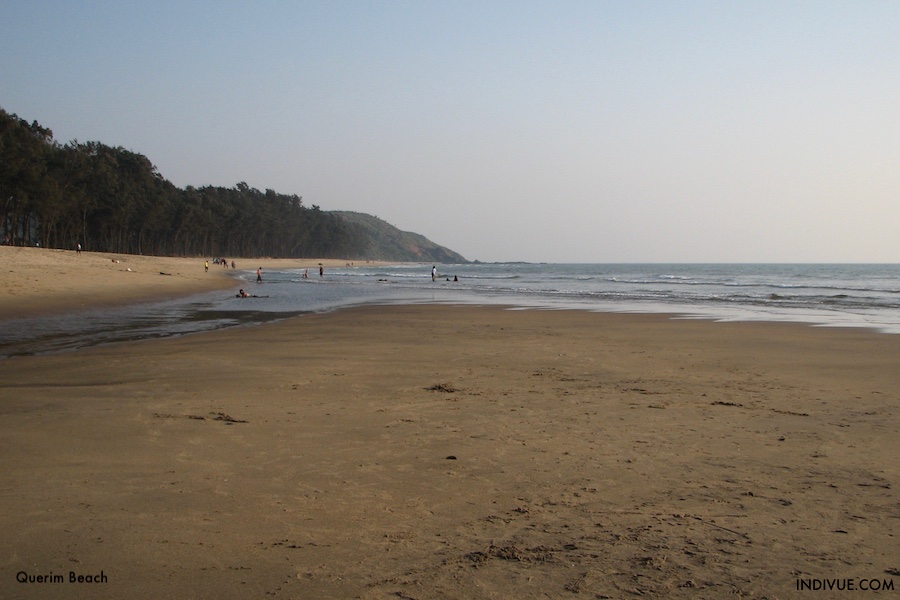
The Serene Sands of Querim Beach, Goa
Tucked away in the far north of Goa, Querim Beach—also known as Keri Beach—is one of the state’s most peaceful and pristine coastal escapes. In the photo above I captured its essence beautifully: a long stretch of soft golden sand, gently kissed by calm waves, with a curtain of casuarina trees lining the edge. It’s a place where time slows down, and the natural world takes the center stage.
A Quiet Retreat at the Edge of Goa
Querim is the northernmost beach in Goa, located in Pernem taluka near the border with Maharashtra. Unlike the bustling beaches more south, Querim remains blissfully underdeveloped. Here, there are no loud beach clubs or crowded shacks—just a handful of small stalls, the rhythmic sound of the sea, and locals and travelers enjoying the sun in peace.
This beach is also a popular landing spot for those crossing by ferry from the historic Tiracol Fort. The view of the fort from the beach, especially at sunrise or sunset, adds a dramatic and romantic silhouette to the horizon.
Nature and Calm
What sets Querim apart is its atmosphere: this is a place for slow walks, silent contemplation, and connecting with nature. The beach is clean, spacious, and relatively free from commercial interference. It attracts those who want to escape the typical tourist trail and enjoy an authentic slice of Goa’s coastal beauty.
At one end, the Terekhol River meets the sea, creating a picturesque estuary perfect for photography and quiet reflection. Casuarina groves and laterite cliffs nearby give Querim a raw, untamed charm, especially when the sea breeze rustles through the trees.
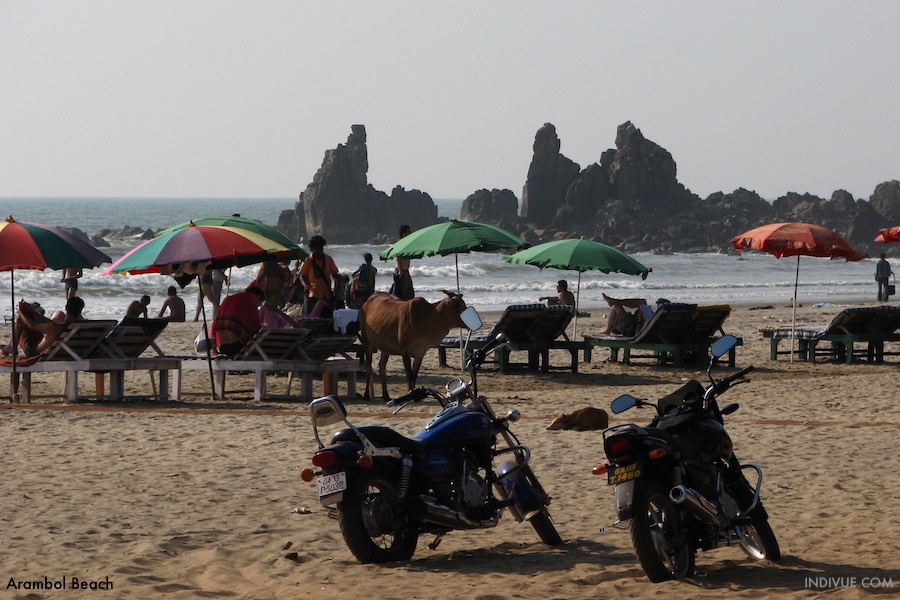
Arambol Beach – Goa’s Free-Spirited Paradise
Arambol Beach, located in North Goa, radiates an irresistible blend of carefree energy and natural charm. The image above captures the beach’s iconic ambiance: vibrant umbrellas shading laid-back travelers, rocky sea stacks rising dramatically from the waves, and—true to Goan spirit—a cow strolling casually through the scene. Arambol isn’t just a beach; it’s a lifestyle.
A Bohemian Haven
Arambol gained fame in the 1970s and 1980s as a retreat for hippies and backpackers. To this day, it remains one of Goa’s most alternative and free-spirited beach communities. While the once-sleepy fishing village has evolved, it has retained its artistic soul. Street performers, yoga teachers, musicians, and seekers from around the world gather here, creating a cultural mosaic unlike anywhere else in the state.
The beach itself is long, sandy, and inviting, stretching out under a hazy Goan sky. Unlike more commercialized beaches like Baga or Calangute, Arambol still feels personal and expressive, a place where creativity flows as freely as the sea breeze.
Natural Wonders & Sunset Rituals
Just north of the main beach is Arambol’s famed sweet water lake, a hidden freshwater lagoon nestled between forested hills and accessible by a short walk. Many visitors also explore the nearby banyan tree forest, said to be a spiritual retreat.
As the sun dips towards the sea, the beach transforms. Each evening during the tourist season, a spontaneous drum circle forms on the sand, accompanied by fire dancers, acrobats, and performers—an organic, glowing festival that welcomes everyone. It’s one of the most unique sunset experiences in Goa.
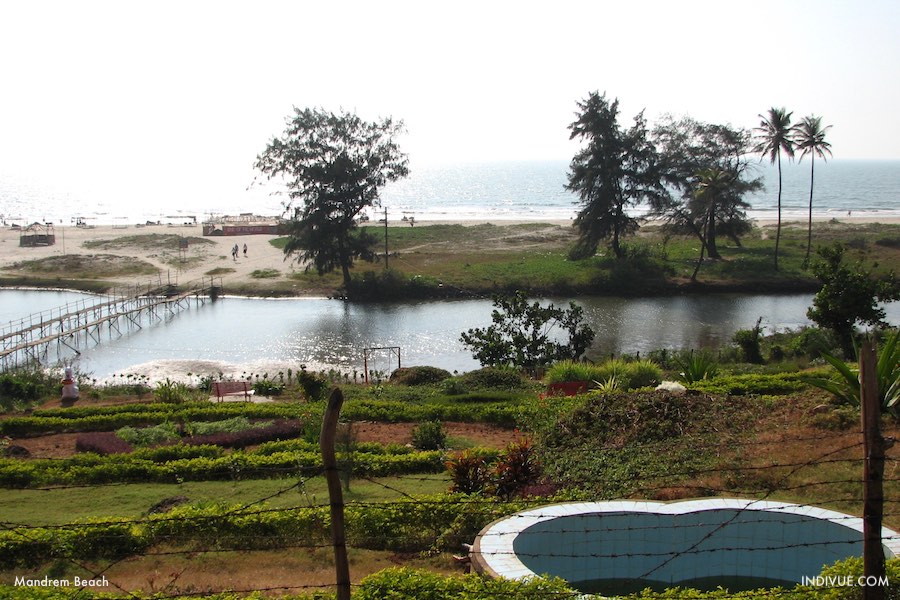
Mandrem Beach – Goa’s Quiet Coastal Oasis
Mandrem Beach, nestled between Arambol and Ashwem in North Goa, is a place where nature whispers and tranquility reigns. The view in this image—lush gardens, a serene creek, and a gentle path to the golden shore—captures Mandrem’s unique blend of calm and charm. It’s an ideal setting for reflection, relaxation, and slow, sunlit days.
A Hidden Gem with a Natural Soul
Mandrem may not be as widely known as its neighbors, but for those seeking peace and subtle beauty, it’s a treasured discovery. The beach is accessed by a quaint wooden footbridge over a tidal creek, a signature feature that adds to its allure. This shallow stream flows parallel to the shore, occasionally merging with the sea, and is lined by casuarina and palm trees that provide natural shade and striking silhouettes at sunset.
This area has become increasingly popular among wellness travelers and yogis, drawn by the many retreats and eco-resorts that promote holistic living. Yet, Mandrem still maintains a gentle pace—ideal for couples, solo travelers, or anyone needing a break from noise and crowds.
Gentle Surf and Soft Sand
Mandrem’s wide sandy expanse is perfect for barefoot walks, reading under an umbrella, or simply watching the waves roll in. The sea is usually calm, making it suitable for a dip, though it’s always wise to check local safety flags. Unlike the party-driven beaches of Goa, Mandrem is more about inner stillness and coastal connection.
From the beach, one can enjoy views of fishing boats at sea, local life unfolding quietly, and even dolphins occasionally playing in the distance.
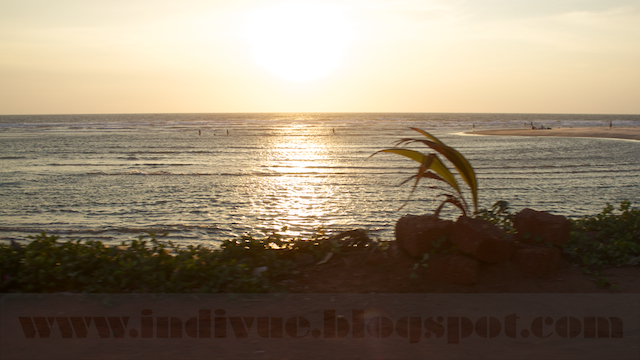
Ashvem Beach – A Sophisticated Sunset Escape in North Goa
Ashvem Beach (often spelled Ashwem) is the quiet achiever of North Goa’s coastline—less boisterous than its neighbors yet effortlessly elegant. As the image above shows, sunset at Ashvem is pure poetry: golden light glinting off gentle waves, the horizon awash in warm hues, and a scenic coastal road edged by laterite stones and greenery. It’s a beach where style meets solitude.
The Chic Side of Goa
Ashvem has gained a reputation as one of Goa’s more refined beaches, popular with international travelers, wellness seekers, and those who appreciate a slower pace without sacrificing comfort. It features a number of stylish boutique resorts, yoga retreats, and beach cafés that blend rustic charm with modern comfort. While there’s a fashionable edge here, it never feels crowded or chaotic.
Unlike the party-centric atmosphere of beaches further south, Ashvem offers a more composed vibe. It’s the kind of place where the sound of the sea replaces thumping basslines, and your biggest decision is whether to have coconut water or chilled wine as the sun dips below the horizon.
A Beach for Rest, Not Rush
The beach is broad and clean, with soft sand that’s ideal for sunbathing or quiet walks. The sea here is usually calm and swimmable, particularly in the dry season. Thanks to its more laid-back environment, Ashvem is also well-suited to families and couples looking for a peaceful retreat.
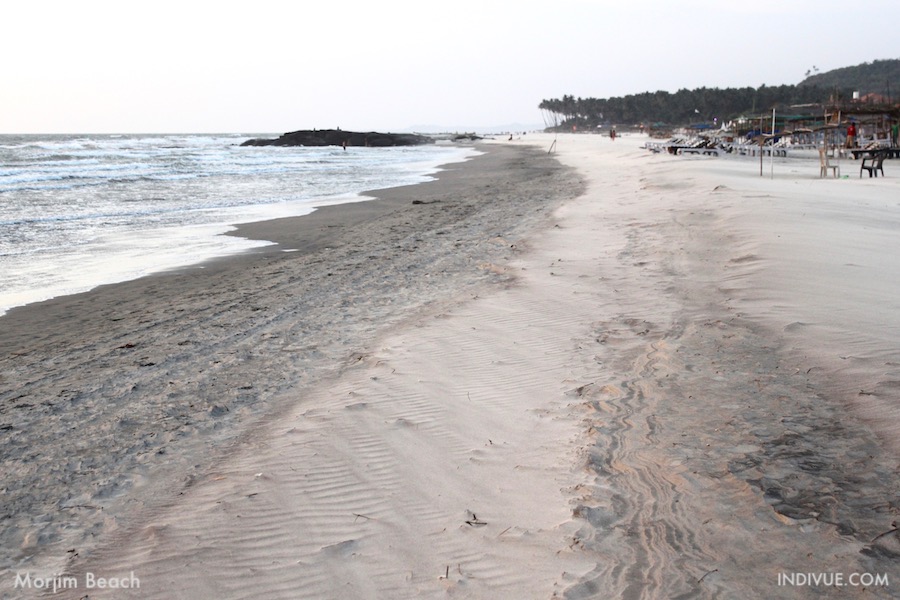
Morjim Beach – Where Serenity Meets the Sea in Goa
Morjim Beach, gracefully stretched along the northern Goan coast, is a place where golden tranquility meets ecological richness. The image above is a little North from the main Morjim Beach, and shows its soft, powdery sands—tinged with darker volcanic hues—gently sloping into the restless waves of the Arabian Sea. Largely untouched by mass tourism, Morjim offers a refined, nature-focused beach experience.
A Beach of Turtles and Tranquility
Morjim, which you can see in the other photo, is affectionately known as “Little Russia” due to its popularity among Russian tourists, but it’s far from overcrowded. The beach has gained recognition for being one of Goa’s designated nesting sites for the endangered Olive Ridley sea turtles. These shy creatures come ashore between November and March, and parts of the beach are roped off for their protection. This ecological significance makes Morjim an important conservation zone as well as a peaceful retreat.
Compared to the livelier beaches to the south, Morjim maintains a sense of calm. It attracts couples, families, and long-term travelers who are here for the sea, the sun, and perhaps a yoga session or seafood feast at a low-key beach shack.
Wide Sands and Gentle Surf
Morjim Beach is known for its flat, wide expanse—ideal for long walks, beach games, and sunbathing without feeling cramped. The beach transitions from coarse sand to fine silt near the shore, creating an unusual and beautiful layered texture underfoot, as seen in the above photo.
The Arabian Sea here is generally mild, though seasonal tides can vary. Morjim also has a rocky section that offers excellent views and is perfect for contemplative seaside moments or photography.
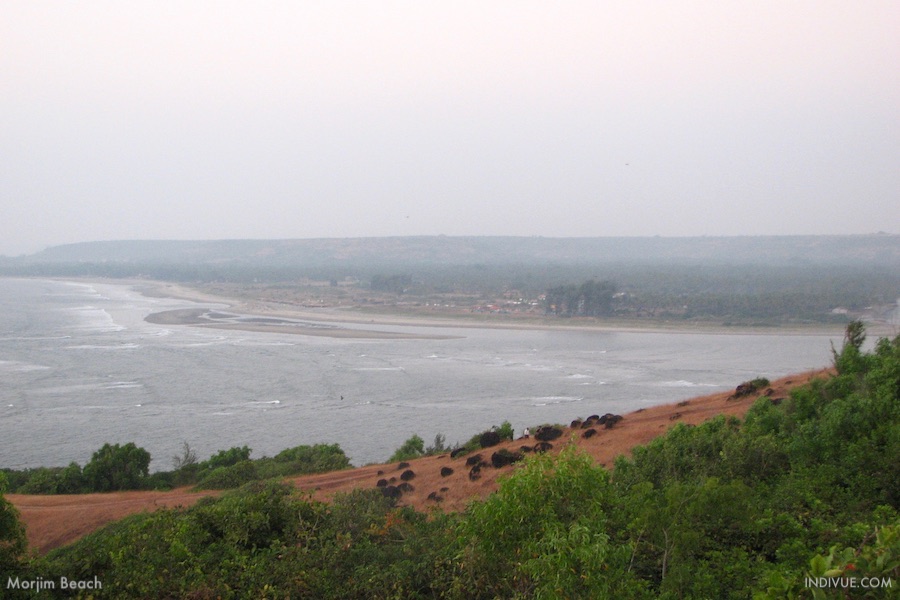
The Expansive Beauty of Morjim Beach – A Panoramic View of Goa’s Northern Coast
The view from Chapora Fort reveals the grand, quiet rhythm of North Goa. The image above I captured shows this stretch in full: the expansive sweep of the Arabian Sea, gentle estuarine curves at the mouth of the Chapora River, and lush, terracotta-toned hills rolling into mist. This is Morjim as seen from a distance—a mosaic of sea, sand, and serenity.
Where River Meets Ocean
Morjim Beach lies opposite Chapora Fort, marking the beginning of a gentler, greener Goa. The beach curves along the coast as part of a wide estuary system where the Chapora River flows into the Arabian Sea. This estuarine zone not only nurtures unique ecosystems but also offers an ideal setting for kayaking, birdwatching, and quiet contemplation.
From this higher vantage point — photo taken from the hills of Chapora—the land meets the sea with poetic fluidity. The combination of golden beach, silvery water, and rich inland vegetation is typical of this part of Goa, especially during dawn or dusk when the landscape is bathed in soft pastel light.
A Wider Perspective on Morjim
While the beachfront is known for its quiet sunbeds, gentle waves, and occasional turtle sightings, this panoramic perspective reminds visitors of how interconnected Goa’s topography truly is. Hills slope down to river mouths, palm forests border agricultural land, and the sea is always within sight. It’s a photographer’s paradise and a peaceful alternative for those who enjoy coastal hikes and open vistas.
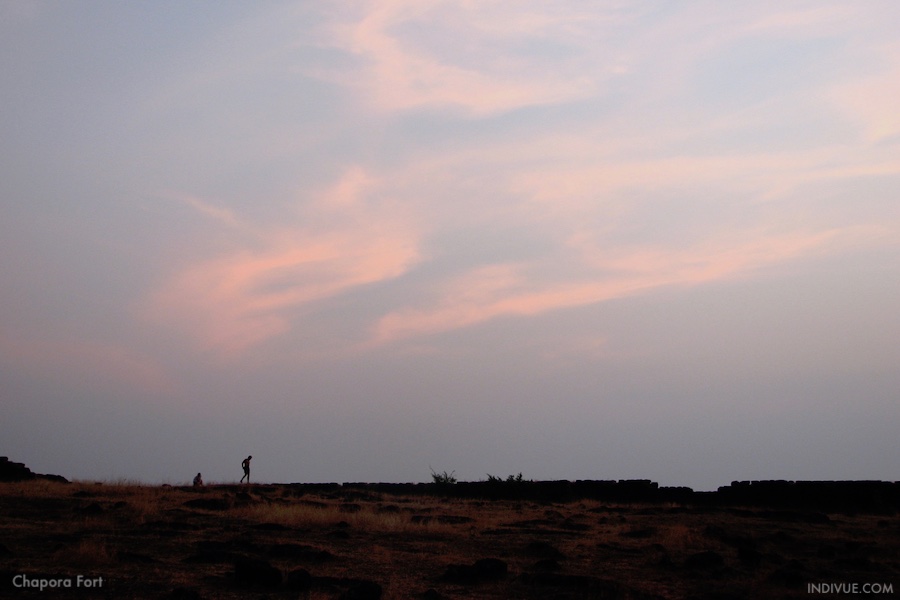
Chapora Fort – Goa’s Iconic Sunset Sentinel
Rising above the Chapora River in North Goa, Chapora Fort is one of the region’s most photogenic and beloved landmarks. The image above, with its soft pink dusk sky stretching above ancient stone walls and lone visitors silhouetted on the horizon, captures exactly what makes this site so magical: atmosphere, history, and a panoramic embrace of the Goan coastline.
A Fort With Layers of Legacy
Chapora Fort dates back to the 17th century, originally built by the Portuguese to defend against Maratha incursions. The fort’s name is derived from the nearby Chapora River, which it strategically overlooks. Though now largely in ruins, the remaining laterite stone walls still define the fort’s outline and provide dramatic foregrounds for sunset photography.
Its fame was cemented in popular culture when it featured in the Bollywood film Dil Chahta Hai, turning it into a must-visit spot for young travelers and romantics alike.
A View Worth the Climb
What Chapora Fort lacks in intact architecture, it more than makes up for with its elevated views. From the top, visitors are treated to sweeping vistas over Vagator Beach to the south and Morjim and Ashvem to the north.
The atmosphere here is best described as poetic—especially around sunset, when the sky paints itself in pastels, as seen in the photo. It’s a peaceful place to reflect, unwind, and witness nature and history in perfect balance.
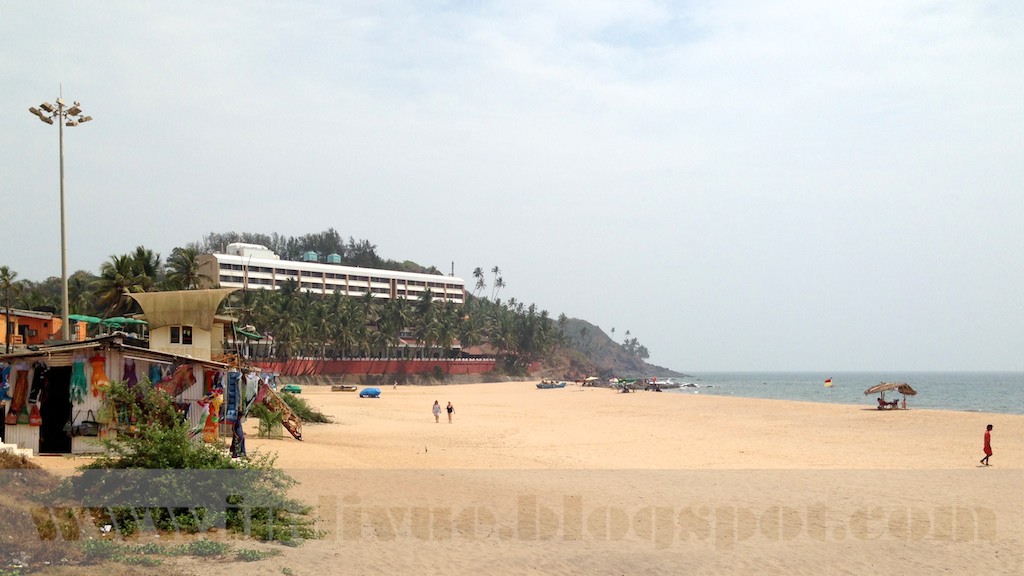
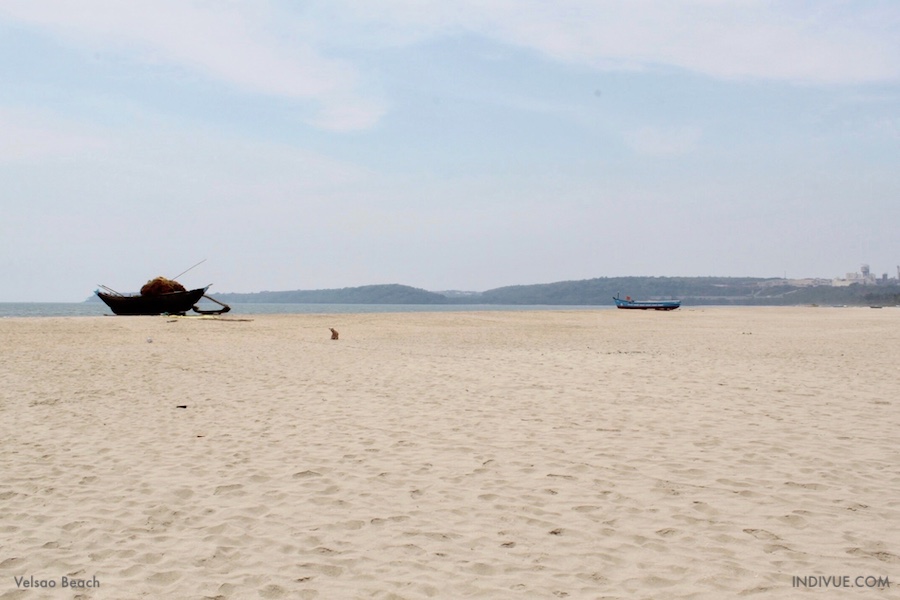
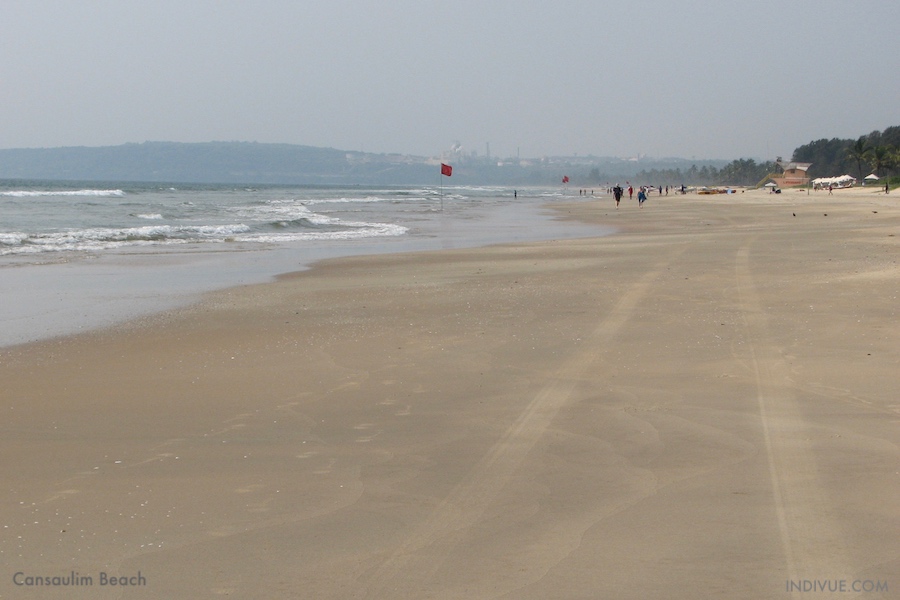
South Goa beaches
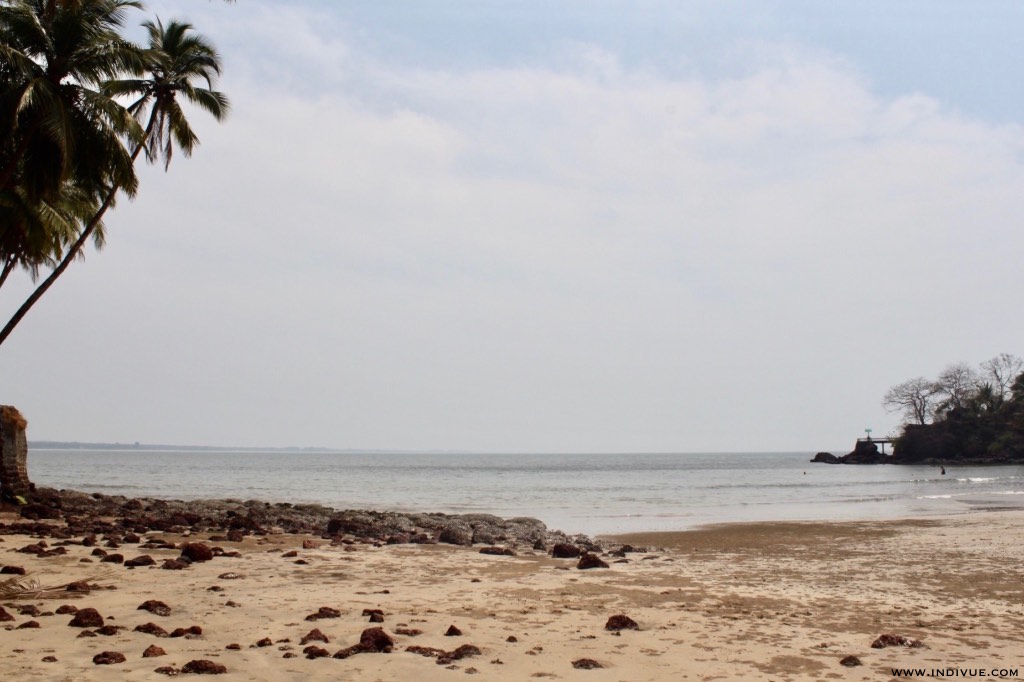
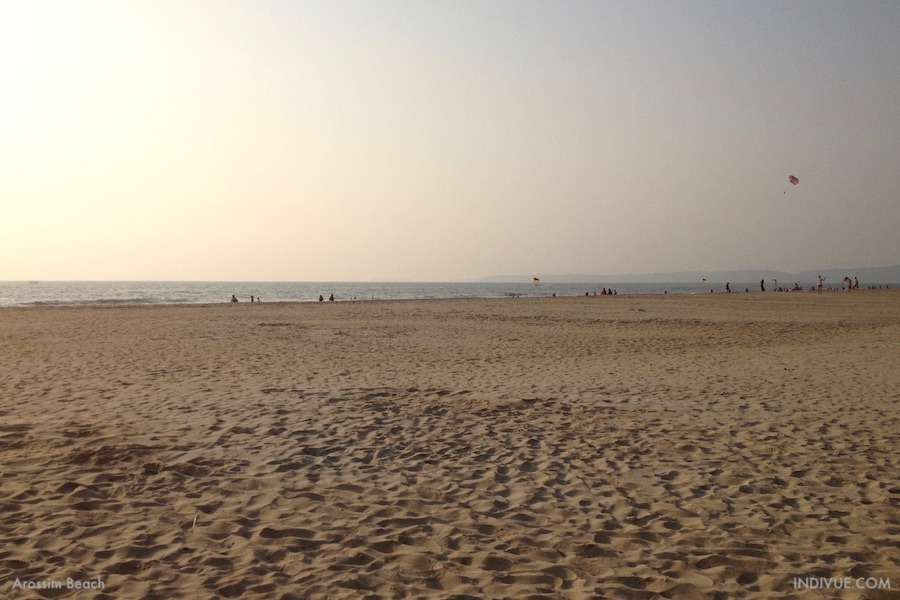
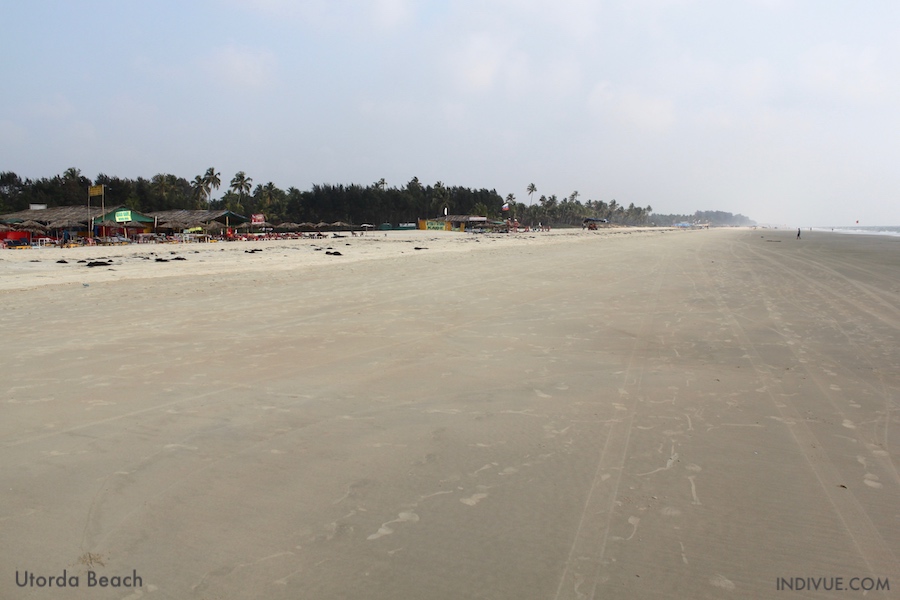
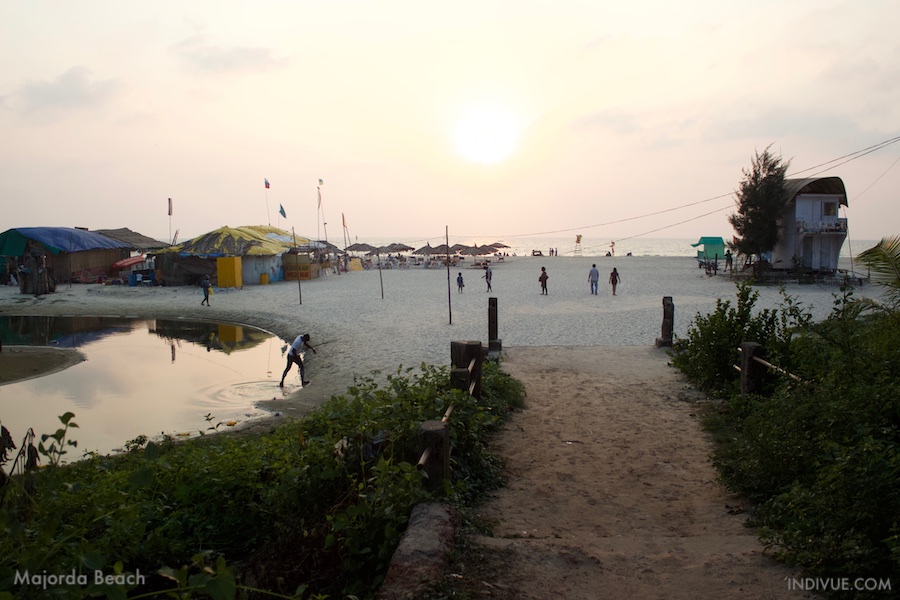
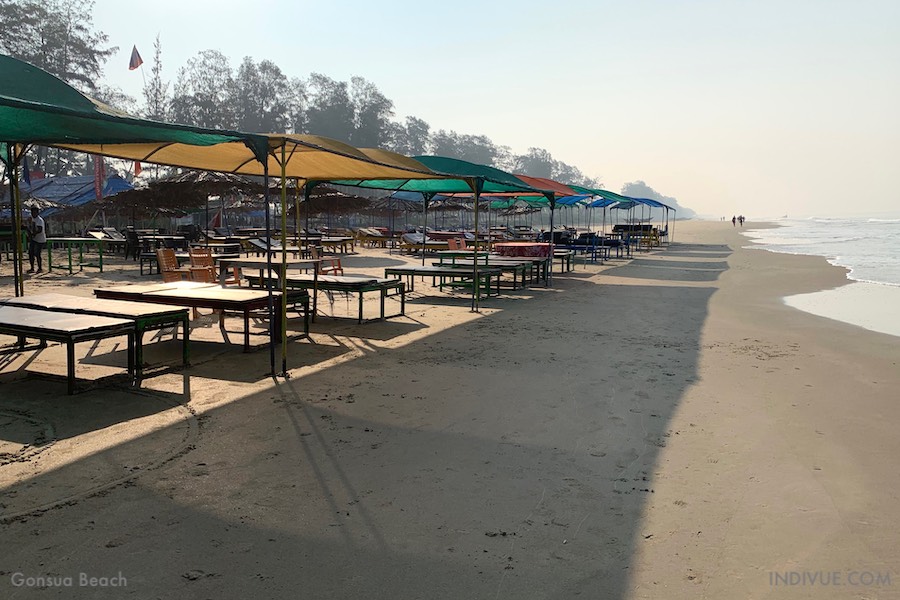
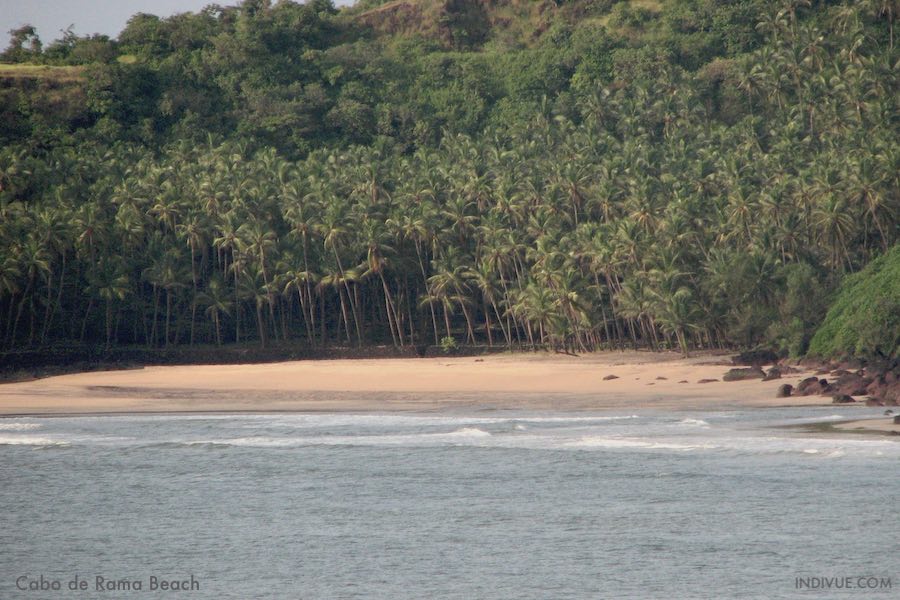
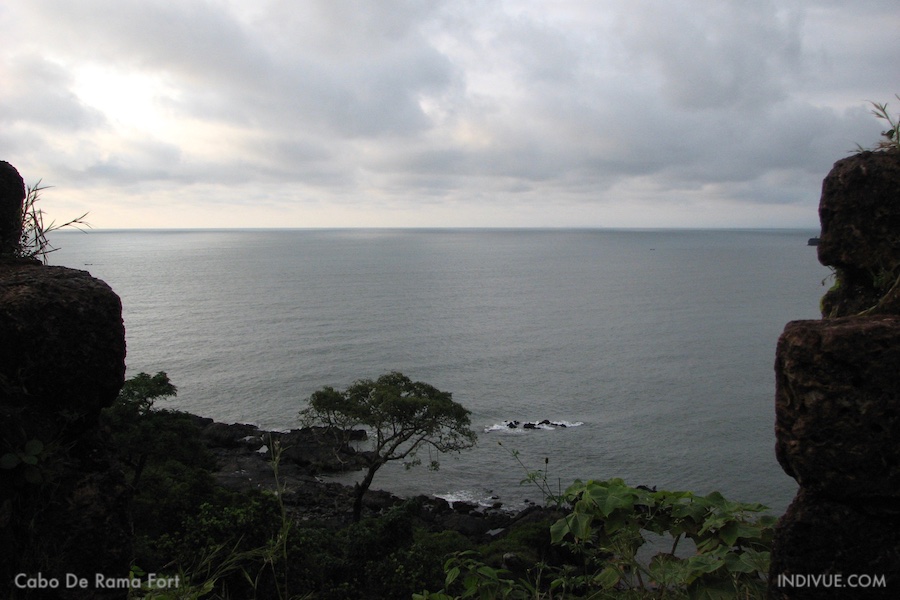
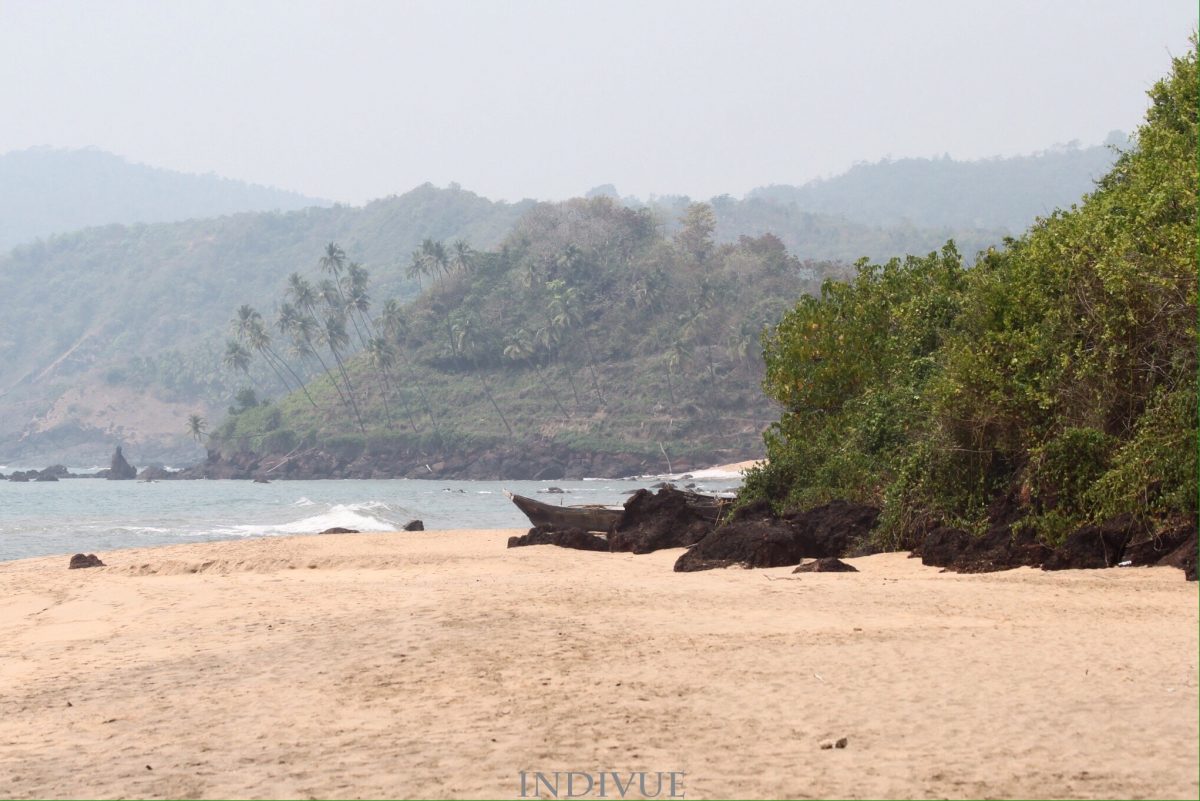
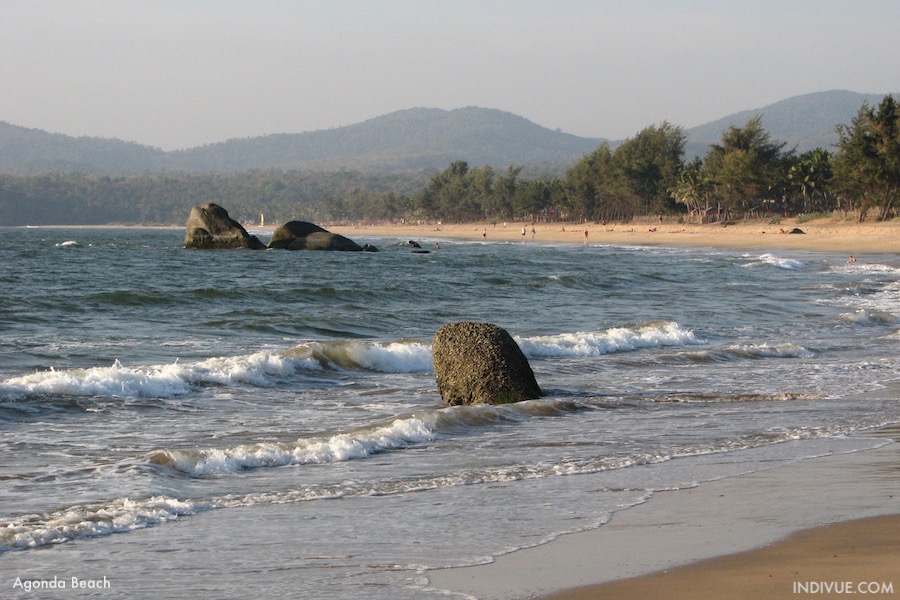
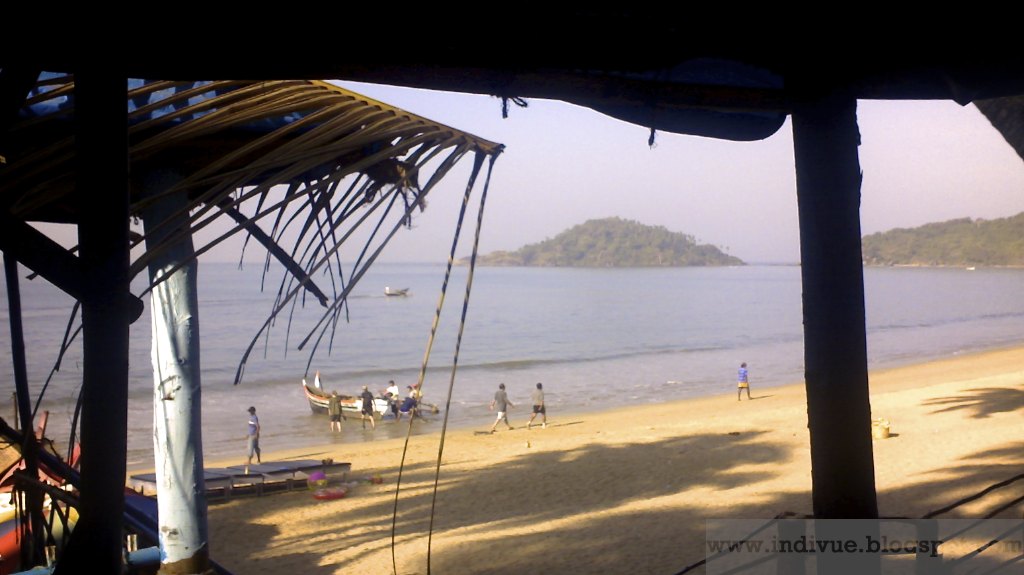
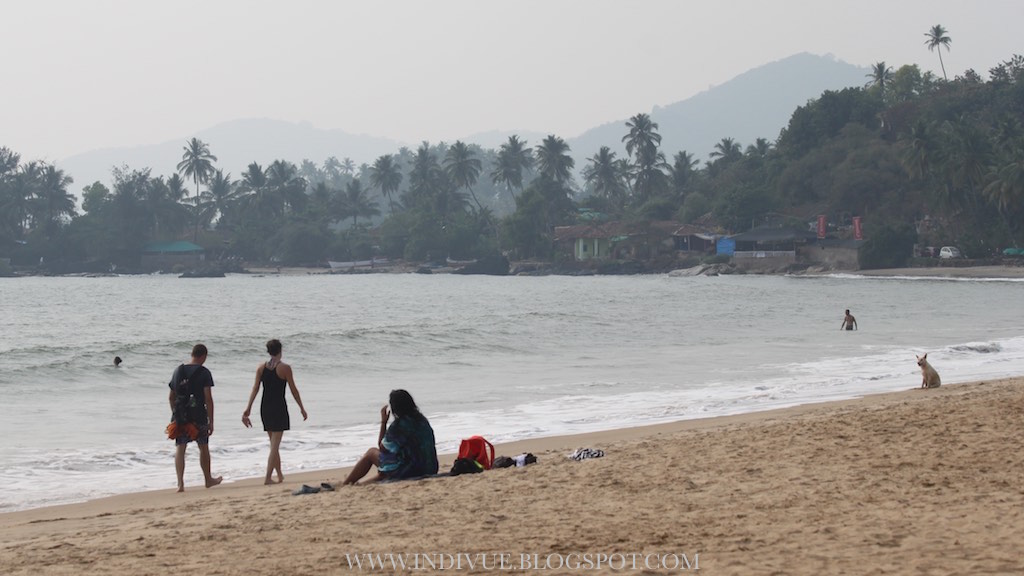
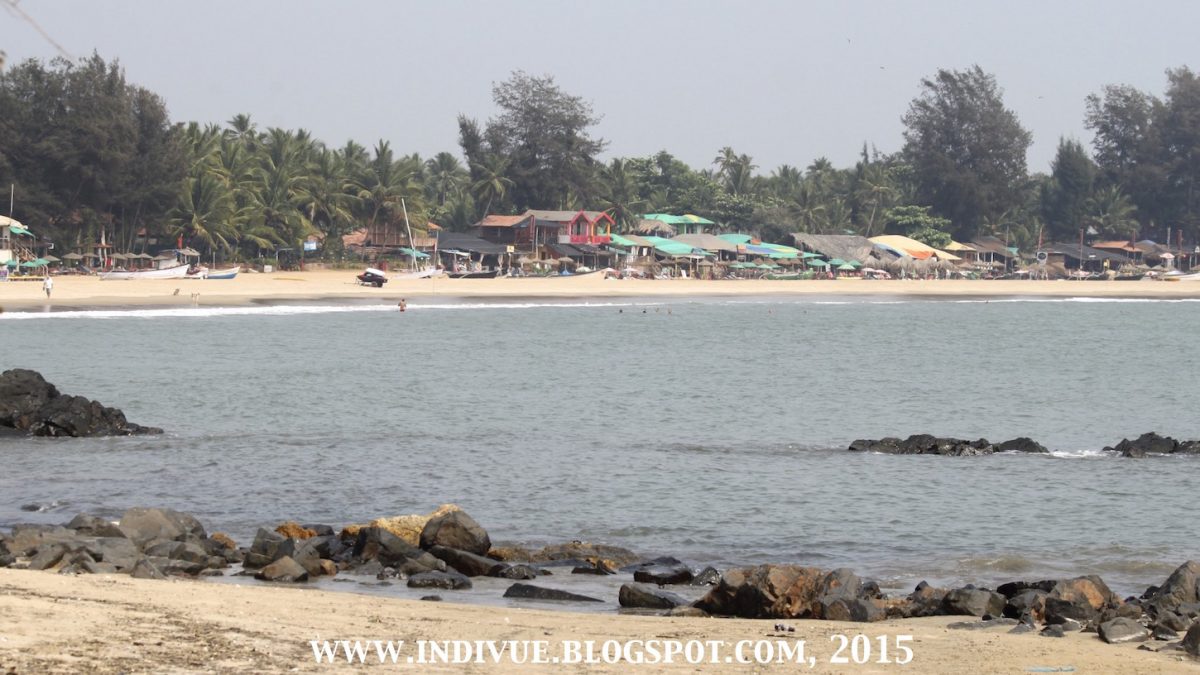
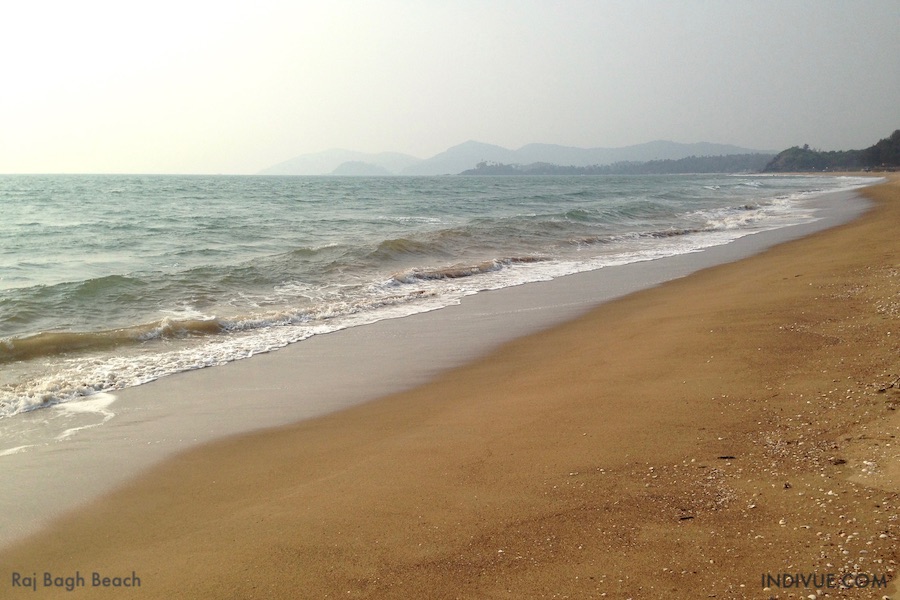
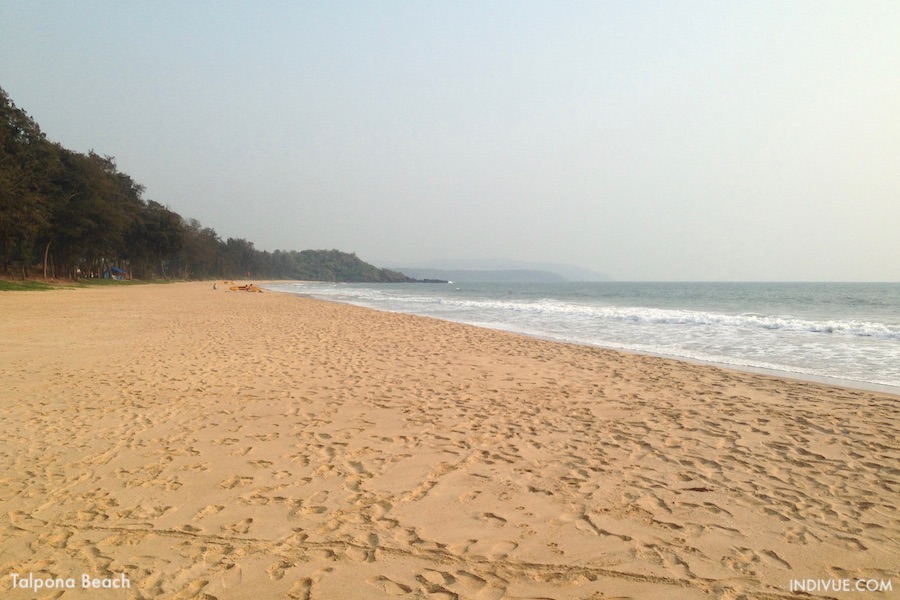
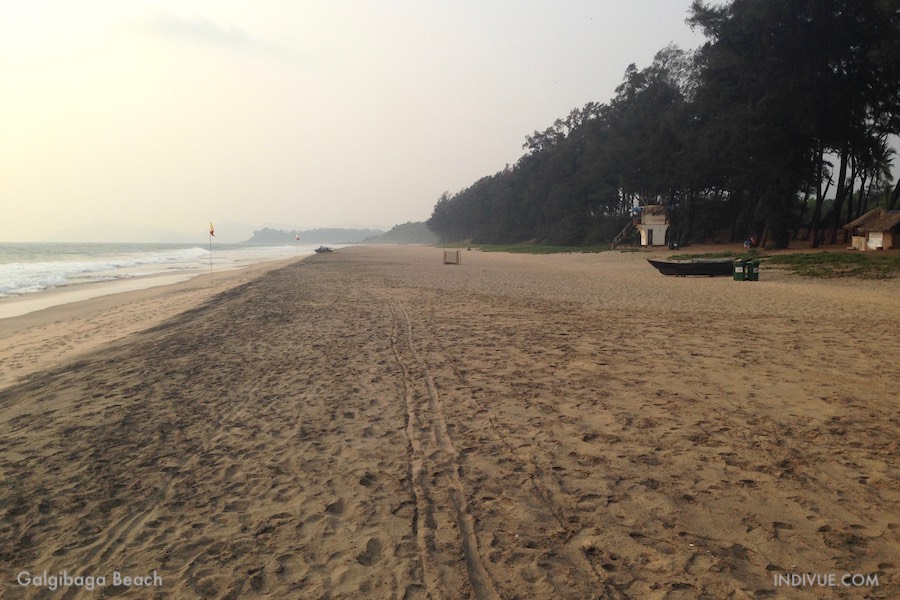
Polem Beach
This article has been written, photographed and videographed by INDIVUE and it is supposed to make your traveling easier to and in Goa, India. You can read more about traveling in Goa from my visual travel guide INDIVUE – Trip to Goa
Find this article also in Finnish!
As a subscriber you will get to read a lot more about Goa and its beaches.
You will get to read all the travel guides to these beaches. And in addition you will get to read about the hotels and accommodation on these beaches of Goa. In addition you will get to read and watch all the subscriber content in my blog – Subscribe from here!
Subscribe to get access
Read more of this content when you subscribe today.
Subscribe to get access
Read more of this content when you subscribe today.


 INDIVUE - travel & art
Leave a comment