
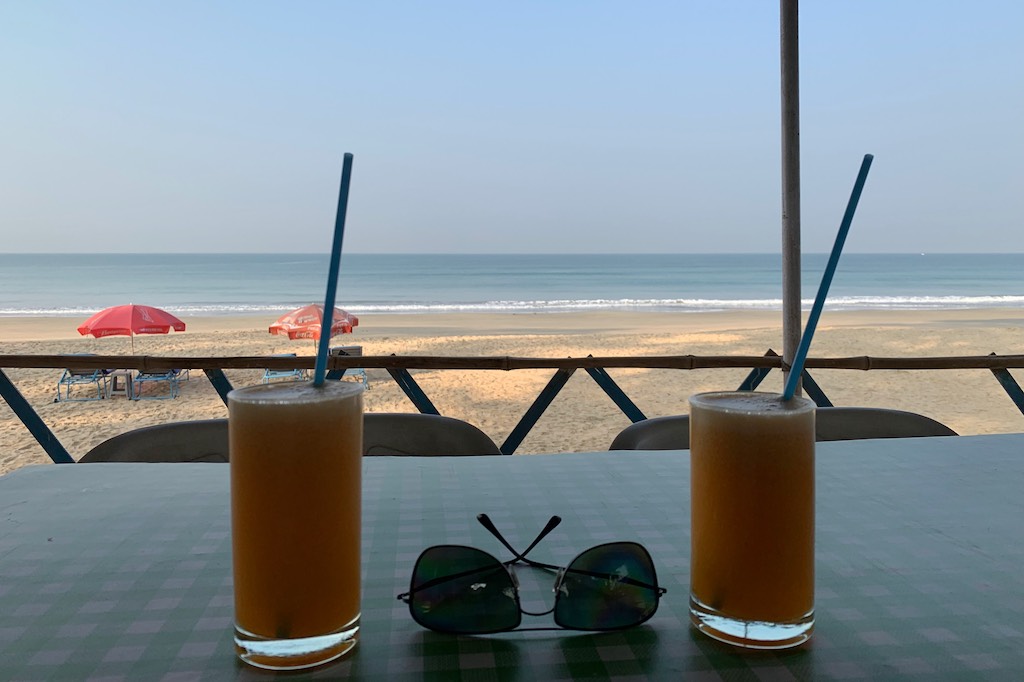
Welcome to read about Goa, the India’s smallest state, but one of its most alluring destinations. Known for its pristine beaches, vibrant nightlife, and Portuguese heritage, Goa has got plenty to see for all kinds of travelers. This is your comprehensive guide to exploring the best of Goa, whether you’re a first-time visitor or a seasoned traveler.
- Chapter 1: A Brief History of Goa
- Chapter 2: Goa’s Regions: A Diverse Landscape
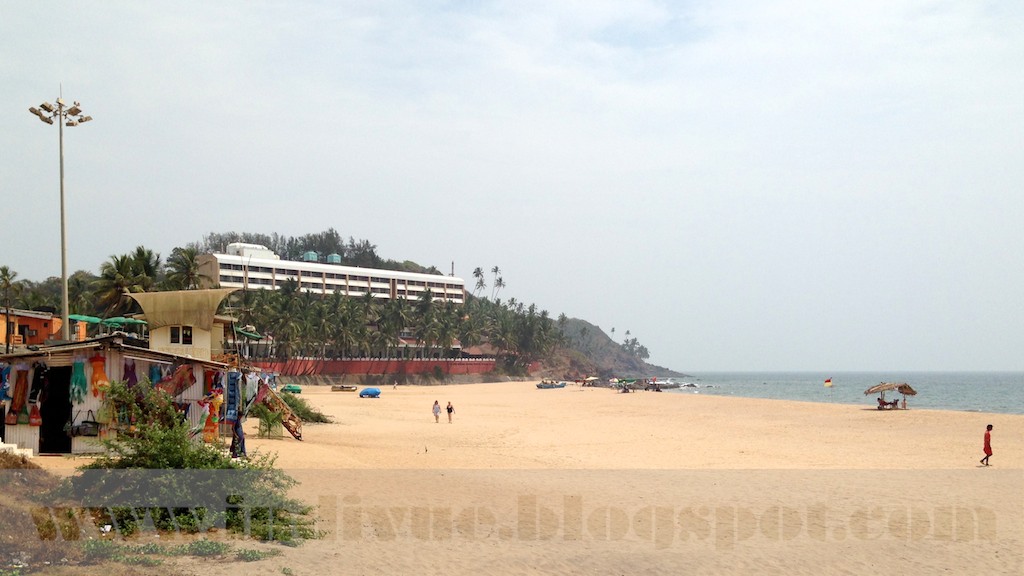
- Chapter 3: Beaches of Goa
- Chapter 4: Exploring Goa’s Culture
- Chapter 5: Goan Cuisine: A Gastronomic Adventure
- Chapter 6: Adventure Activities in Goa
- Chapter 7: Spiritual and Wellness Retreats
- Chapter 8: Accommodations: Where to Stay in Goa
- Chapter 9: Shopping in Goa
- Chapter 10: Planning Your Trip to Goa
- Chapter 11: Offbeat Goa: Hidden Gems
- Chapter 12: Goa for Different Travelers
- Chapter 13: Responsible Tourism in Goa
- Chapter 14: Goa Beyond Beaches
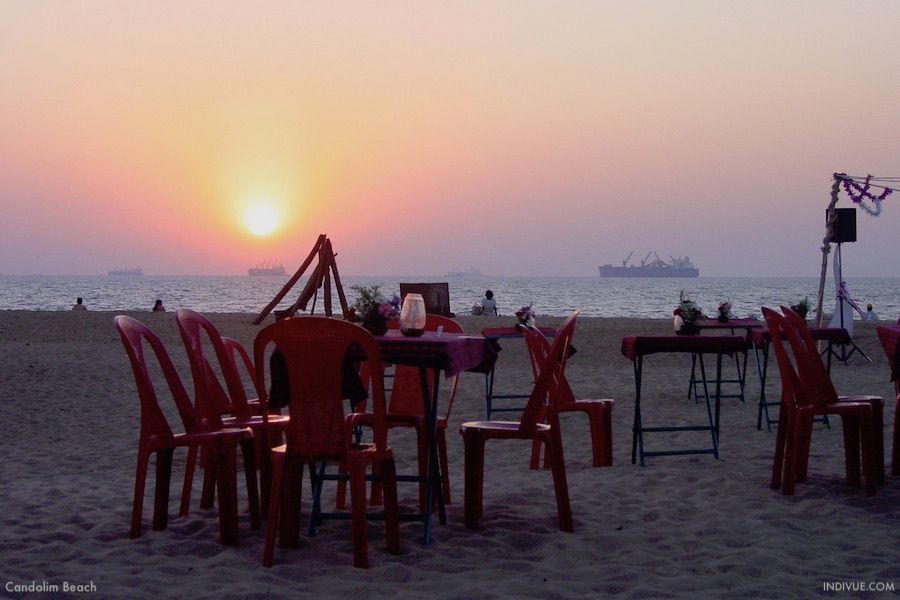
Chapter 1: A Brief History of Goa
Goa has a name synonymous with sun, sand, and serenity, and it has a rich and fascinating history that spans thousands of years. Its story is a blend of indigenous traditions, foreign influences, and dynamic cultural shifts, each leaving an indelible mark on this tropical paradise. To truly appreciate Goa’s allure, one must journey through its historical timeline, exploring how its past has shaped its present. This chapter explores the evolution of Goa, from ancient Hindu dynasties to Portuguese colonization, and its eventual liberation in 1961. Learn about how these influences shaped Goa’s architecture, culture, and cuisine.
1.1 Ancient Beginnings
Goa’s history dates back to prehistoric times. Archaeological evidence, including rock carvings and artifacts, suggests human habitation as early as the Paleolithic and Mesolithic eras. The region was once part of the Mauryan Empire in the 3rd century BCE, under Emperor Ashoka’s reign. During this period, Goa was an important Buddhist center, evidenced by the remnants of stupas and rock-cut caves.
1.2 The Era of Hindu Dynasties
From the 4th century CE onwards, Goa became a hub for Hindu dynasties. The Kadamba dynasty (11th to 14th centuries) played a significant role in shaping Goa’s cultural and architectural landscape. The Kadambas established their capital at Chandrapur (modern-day Chandor) and developed Goa as a significant trade center for spices, cotton, and other goods.
Under their rule, several magnificent temples, such as the Mahadeva Temple in Tambdi Surla, were constructed. The Kadambas also contributed to Goa’s maritime prominence, maintaining flourishing trade relations with Arabia and Southeast Asia.
1.3 Muslim Rule and Early Foreign Influences
In the 14th century, Goa fell to the Delhi Sultanate under Alauddin Khilji. Over the next few decades, it was ruled by the Bahmani Sultanate and later the Adil Shahi dynasty of Bijapur. This period saw the introduction of Islamic culture, architecture, and culinary practices, enriching Goa’s already diverse heritage.
1.4 The Portuguese Arrival
The most transformative chapter in Goa’s history began in 1510 when the Portuguese, led by Afonso de Albuquerque, captured the region from the Adil Shahi dynasty. Over the next 450 years, Goa became the epicenter of Portuguese India, deeply influencing its culture, religion, and architecture.
1.4.1 Religious Transformation
The Portuguese introduced Christianity to Goa, leading to widespread conversions. They built grand churches and cathedrals, many of which still stand today. The Basilica of Bom Jesus, which houses the relics of St. Francis Xavier, is a UNESCO World Heritage Site and a testament to this era.
1.4.2 Cultural Synthesis
Goa became a melting pot of Portuguese and Indian cultures. The introduction of the Portuguese language, European architectural styles, and Catholic traditions blended seamlessly with local customs, creating Goa’s unique identity.
1.4.3 Economic Significance
Goa flourished as a trade hub under Portuguese rule, with its ports facilitating the exchange of goods like spices, gold, and textiles. This prosperity attracted merchants, scholars, and adventurers from across the world.
1.5 The Liberation Movement
The 20th century marked the beginning of Goa’s struggle for independence from Portuguese rule. Inspired by India’s larger freedom movement, Goans began advocating for self-rule. The movement gained momentum in the 1940s and culminated in 1961 when the Indian Army launched Operation Vijay. Goa was annexed into India, marking the end of European colonialism in the region.
1.6 Goa as an Indian State
Initially designated as a Union Territory, Goa achieved full statehood on May 30, 1987. Since then, it has emerged as one of India’s most prosperous and tourist-friendly states, balancing its rich cultural heritage with modern development.
1.7 The Legacy of Goa’s History
Today, Goa’s history is reflected in its architecture, festivals, cuisine, and way of life. The vibrant Goan identity is a harmonious blend of its Hindu roots, Islamic influences, and Portuguese legacy. Visitors can witness this unique fusion in the baroque churches of Old Goa, the Hindu temples of Ponda, and the colonial-era mansions that dot the landscape.
Highlights of Goa’s Historical Sites
Goa’s most iconic historical landmarks:
- Basilica of Bom Jesus: A masterpiece of baroque architecture and a pilgrimage site for Christians worldwide.
- Se Cathedral: One of the largest churches in Asia, known for its Portuguese-Gothic style.
- Mahadeva Temple, Tambdi Surla: An exquisite 12th-century Hindu temple dedicated to Lord Shiva.
- Aguada Fort: A well-preserved Portuguese fort with breathtaking views of the Arabian Sea.
By understanding Goa’s history, travelers can gain deeper insights into the people, traditions, and stories that make this destination so captivating. Each aspect of modern Goa, from its festivals to its food, carries the essence of its historical journey.
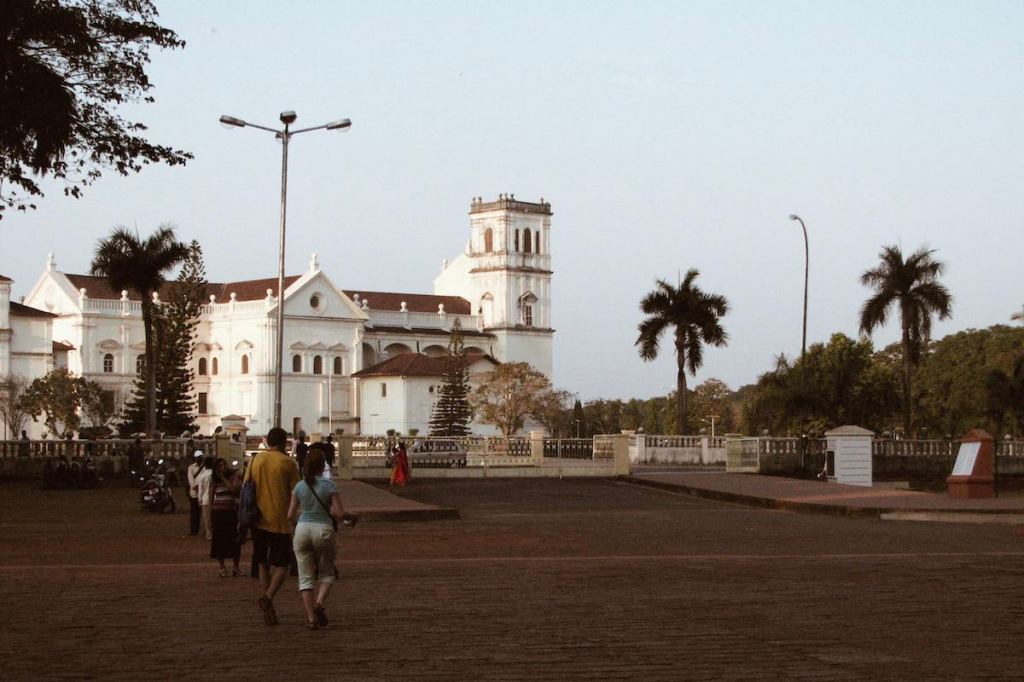
Chapter 2: Goa’s Regions: A Diverse Landscape
Goa is more than just beaches and parties. It is a tapestry of diverse landscapes, distinct cultural nuances, and unique experiences, all spread across its regions. Divided broadly into North Goa, South Goa, and Central Goa, each area offers a different flavor of this coastal paradise. Whether you’re seeking adventure, tranquility, or a blend of both, understanding Goa’s regions is key to planning an unforgettable trip.
2.1 North Goa: The Vibrant Playground
North Goa is the heartbeat of Goa’s dynamic and lively reputation. It attracts a mix of domestic and international tourists, especially those seeking a vibrant nightlife, bustling beaches, and eclectic markets.
2.1.1 Beaches
The beaches of North Goa are iconic and cater to all kinds of travelers:
- Baga Beach: Known for its energetic vibe, water sports, and beachside shacks. It’s perfect for families and partygoers alike.
- Calangute Beach: Dubbed the “Queen of Beaches,” it’s the largest in Goa and a hotspot for shopping and dining.
- Anjuna Beach: Famous for its bohemian charm and weekly flea market. It’s a hub for backpackers and travelers looking for a unique vibe.
- Vagator Beach: Known for its dramatic cliffs and sunset views, it’s a quieter alternative for those seeking natural beauty.
2.1.2 Nightlife
North Goa is synonymous with its pulsating nightlife. From beach parties to clubs, it offers a range of experiences:
- Club Cubana in Arpora: A neon-lit hilltop club that promises an unforgettable night.
- Tito’s Lane in Baga: Home to a strip of bars and clubs like Tito’s and Mambo’s, catering to every taste.
- Silent Noise Parties in Vagator: Unique headphone parties that combine music with tranquility.
2.1.3 Markets
The markets in North Goa are a treasure trove for shopaholics:
- Anjuna Flea Market: Held every Wednesday, it’s perfect for picking up handicrafts, jewelry, and souvenirs.
- Mapusa Market: A bustling traditional market offering spices, textiles, and local produce.
- Arpora Night Market: A vibrant Saturday evening market filled with live music, food stalls, and quirky goods.
2.2 South Goa: The Serene Escape
If North Goa is a party, South Goa is a retreat. Known for its tranquil beaches, luxury resorts, and serene atmosphere, it’s ideal for those seeking relaxation and rejuvenation.
2.2.1 Beaches
South Goa is home to some of the most pristine and less-crowded beaches:
- Palolem Beach: A crescent-shaped gem with calm waters, perfect for swimming and kayaking.
- Agonda Beach: A quiet haven for solitude seekers and yoga enthusiasts.
- Colva Beach: A mix of tranquility and activity, offering watersports and beach shacks.
- Butterfly Beach: A hidden paradise accessible by boat, known for its breathtaking sunsets.
2.2.2 Luxury Resorts
South Goa boasts some of India’s finest resorts, offering world-class hospitality:
- The Leela Goa: A luxurious resort blending Goan and Portuguese architecture.
- Taj Exotica: Known for its expansive gardens and beachfront location.
- Alila Diwa Goa: A boutique resort offering serenity and stunning views.
2.2.3 Cultural Experiences
- Church of Our Lady of Hope, Chinchinim: A stunning example of Portuguese-era architecture.
- Margao: The commercial capital of South Goa, offering a glimpse into traditional Goan life with its markets and heritage homes.
- Cabo de Rama Fort: A historic fort offering panoramic views of the coastline.
2.3 Central Goa: The Cultural Core
Central Goa is where history, culture, and modernity meet. This region houses Goa’s capital, Panaji, and the historic town of Old Goa, making it a must-visit for culture enthusiasts.
2.3.1 Panaji (Panjim)
The charming capital city of Goa is a blend of the old and the new:
- Fontainhas: Goa’s Latin Quarter, known for its colorful Portuguese-style houses and winding streets.
- Mandovi River: Offering river cruises and casinos, the Mandovi adds to Panaji’s lively spirit.
- Church of Our Lady of Immaculate Conception: An iconic white church overlooking the city.
2.3.2 Old Goa
Once the capital of Portuguese India, Old Goa is a UNESCO World Heritage Site brimming with historical landmarks:
- Basilica of Bom Jesus: Famous for housing the relics of St. Francis Xavier.
- Se Cathedral: A magnificent church known for its Portuguese-Gothic architecture.
- Church of St. Cajetan: Modeled after St. Peter’s Basilica in Rome, this church is a hidden gem.
2.3.3 Cultural Landmarks
- Kala Academy: A hub for art and cultural events in Goa.
- Reis Magos Fort: A restored fort with stunning views of the Mandovi River.
2.4 Contrasts and Connections
While each region in Goa has its unique character, they’re all interconnected, creating a seamless travel experience. A day could start with a peaceful sunrise in South Goa, transition into exploring cultural landmarks in Central Goa, and end with a night of dancing in North Goa.
2.5 How to Explore Goa’s Regions
Goa’s regions are best explored with a mix of local transportation and self-driven vehicles:
- Scooters and Motorbikes: Popular among travelers for navigating the scenic routes.
- Taxis: Convenient for long-distance travel between regions.
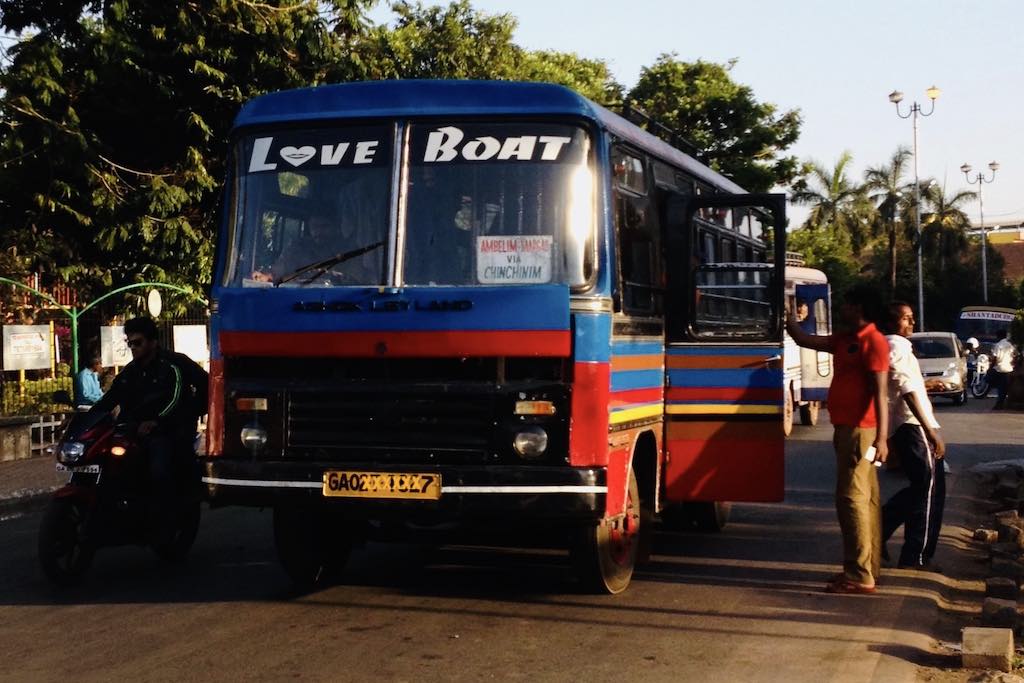
- Buses: An affordable way to experience local life and travel across Goa.
Understanding Goa’s regions allows you to tailor your experience to your interests. Whether you’re drawn to the energy of North Goa, the serenity of South Goa, or the cultural richness of Central Goa, each area offers a unique piece of this tropical paradise. Together, these regions create the diverse landscape that makes Goa one of India’s most beloved destinations.
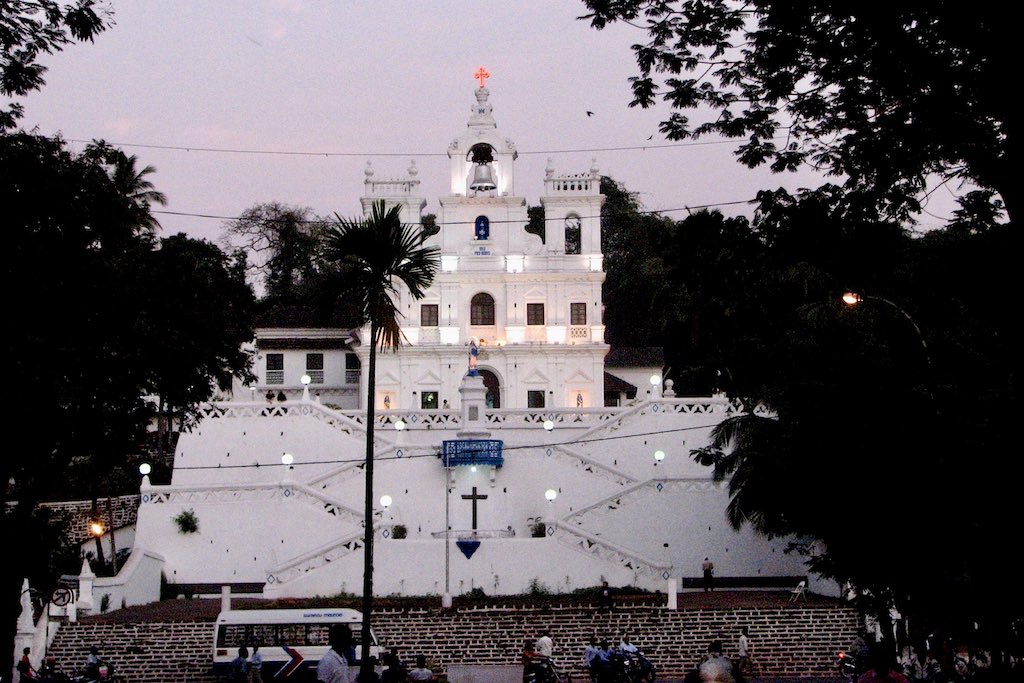
Chapter 3: Beaches of Goa
Goa’s beaches are the crown jewels of this tropical paradise, drawing millions of visitors annually. Stretching along a 100-kilometer coastline, these beaches are as diverse as the travelers they attract. From bustling party hubs to serene escapes, Goa’s beaches cater to every mood and preference. In this chapter, we’ll explore Goa’s most iconic beaches, categorized by their vibe and offerings, to help you discover the perfect stretch of sand.
3.1 Beaches of North Goa: Where the Party Never Ends
North Goa is home to some of the liveliest and most popular beaches. Known for their high-energy atmosphere, these beaches are perfect for those looking to mingle, indulge in watersports, or dance the night away.
3.1.1 Baga Beach
- Vibe: Energetic and lively.
- Highlights: Watersports, vibrant nightlife, and beach shacks like Britto’s serving delicious seafood.
- Why Visit: Baga Beach is the epitome of Goa’s party scene. During the day, try parasailing or banana boat rides, and at night, head to Tito’s Lane for clubs and bars.
3.1.2 Calangute Beach
- Vibe: Busy and family-friendly.
- Highlights: The largest beach in North Goa, lined with restaurants, shops, and watersports operators.
- Why Visit: Ideal especially for Indian families and first-time visitors, Calangute offers a bit of everything: food, shopping, and fun activities.
3.1.3 Anjuna Beach
- Vibe: Bohemian and laid-back.
- Highlights: Weekly flea market, beachside cafes, and the iconic Curlies shack.
- Why Visit: Known for its hippie culture, Anjuna is perfect for backpackers and those seeking a relaxed vibe. The flea market, held every Wednesday, is a must-visit.
3.1.4 Vagator Beach
- Vibe: Scenic and tranquil.
- Highlights: Dramatic red cliffs, Chapora Fort, and sunset views.
- Why Visit: Vagator offers a mix of natural beauty and quiet charm. Visit for a peaceful sunset or explore the nearby fort for panoramic views.
3.1.5 Candolim Beach
- Vibe: Sophisticated and relaxed.
- Highlights: Quieter than its neighbors, Candolim is great for unwinding. It also hosts some of Goa’s best beachside resorts.
- Why Visit: Perfect for couples or travelers looking for a less crowded beach with excellent dining options.
3.2 Beaches of South Goa: Tranquility and Luxury
In contrast to North Goa, South Goa’s beaches are serene and less crowded, offering an ideal retreat for those seeking peace and natural beauty.
3.2.1 Palolem Beach
- Vibe: Scenic and serene.
- Highlights: Calm waters, yoga retreats, and cozy beach huts.
- Why Visit: Palolem is a crescent-shaped beach known for its picturesque beauty. It’s perfect for swimming, kayaking, or simply lounging under a palm tree.
3.2.2 Agonda Beach
- Vibe: Quiet and secluded.
- Highlights: Turtle nesting sites and yoga centers.
- Why Visit: A great spot for solitude and reflection, Agonda is one of the cleanest and least commercialized beaches in Goa.
3.2.3 Colva Beach
- Vibe: Vibrant yet relaxed.
- Highlights: Beach shacks, watersports, and nightlife.
- Why Visit: Colva is a mix of tranquility and activity. It’s popular with Indian tourists and offers a more local vibe.
3.2.4 Butterfly Beach
- Vibe: Hidden and romantic.
- Highlights: Accessible only by boat or trek, Butterfly Beach is a secluded gem.
- Why Visit: This beach is ideal for couples or adventure seekers looking for a private spot with stunning sunsets.
3.2.5 Benaulim Beach
- Vibe: Laid-back and family-friendly.
- Highlights: Fishing boats, dolphin-spotting tours, and a relaxed atmosphere.
- Why Visit: Benaulim offers a slice of traditional Goan life, making it a great place for families to unwind.
3.3 Offbeat and Hidden Beaches
For those looking to escape the crowds and discover Goa’s lesser-known gems, these offbeat beaches provide a sense of adventure and exclusivity.
3.3.1 Arambol Beach (North Goa)
- Vibe: Alternative and spiritual.
- Highlights: A hotspot for yoga practitioners, musicians, and free spirits.
- Why Visit: Arambol combines natural beauty with a vibrant alternative culture. Visit the sweet water lake nearby for a unique experience.
3.3.2 Ashwem Beach (North Goa)
- Vibe: Upscale and serene.
- Highlights: Boutique resorts, yoga centers, and gourmet restaurants.
- Why Visit: Perfect for luxury travelers seeking a peaceful beach with top-notch amenities.
3.3.3 Galgibaga Beach (South Goa)
- Vibe: Pristine and untouched.
- Highlights: Turtle nesting grounds and tranquil surroundings.
- Why Visit: One of Goa’s most unspoiled beaches, ideal for nature lovers.
3.3.4 Cabo de Rama Beach (South Goa)
- Vibe: Secluded and historic.
- Highlights: Close to Cabo de Rama Fort, offering a blend of history and scenic beauty.
- Why Visit: Visit for solitude and panoramic views of the Arabian Sea.
3.4 Beach Activities in Goa
Goa’s beaches offer more than just sand and sea. Here’s what you can do:
- Watersports: Parasailing, jet skiing, windsurfing, and scuba diving are popular on beaches like Baga, Calangute, and Colva.
- Yoga and Wellness: Beaches like Agonda and Ashwem are known for yoga retreats and meditation centers.
- Dolphin Watching: Tours are available at Benaulim, Palolem, and Morjim beaches.
- Fishing and Crab Catching: Experience traditional Goan life with fishing trips at Benaulim or Galgibaga.
3.5 Best Times to Visit Goa’s Beaches
The ideal time to enjoy Goa’s beaches is during the peak season (November to February), when the weather is pleasant and the sea is calm. The off-season (June to September) sees fewer crowds but offers a lush, green backdrop during the monsoons.
3.6 Tips for Beachgoers
- Sun Protection: Bring sunscreen, hats, and sunglasses to avoid sunburn.
- Safety: Pay attention to lifeguard warnings and avoid swimming during high tides.
- Respect Nature: Keep beaches clean and avoid disturbing wildlife, especially on turtle nesting beaches.
- Stay Hydrated: The coastal sun can be intense, so drink plenty of water.
Goa’s beaches offer a variety of experiences, from the vibrant energy of Baga and Anjuna to the serene beauty of Palolem and Butterfly Beach. As you explore these stunning shores, you’ll discover why Goa is called India’s beach paradise.

Chapter 4: Exploring Goa’s Culture
Goa’s culture is a vibrant mosaic of Indian and Portuguese influences, seamlessly blending traditional heritage with modern sensibilities. From its lively festivals and soulful music to its exquisite art and architecture, Goa offers a cultural experience that is as dynamic as its landscapes. In this chapter, we dive into the various facets of Goan culture, giving you a deeper appreciation of what makes this destination so unique.
4.1 Festivals: A Celebration of Life
Goans have a zest for life, and this is most evident in their festivals. The state’s calendar is packed with celebrations that reflect its diverse cultural heritage. Whether rooted in Hindu traditions, Christian faith, or local customs, each festival is an explosion of color, music, and joy.
4.1.1 Goa Carnival
- When: February or March.
- What: A legacy of Portuguese rule, the Goa Carnival is a riot of parades, floats, music, and dance.
- Why Visit: It’s the state’s most famous festival and a must-experience event showcasing Goa’s fun-loving spirit.
4.1.2 Shigmo
- When: March.
- What: Goa’s version of Holi, Shigmo is a traditional Hindu festival celebrated with colorful parades, folk dances, and cultural performances.
- Why Visit: It offers an authentic glimpse into Goa’s rural and agrarian traditions.
4.1.3 Feast of St. Francis Xavier
- When: December 3.
- What: A grand Christian festival honoring Goa’s patron saint, with processions and prayers at the Basilica of Bom Jesus.
- Why Visit: The spiritual ambiance and historic significance make it a special experience.
4.1.4 Diwali and Christmas
- Diwali is marked by lighting lamps and bursting firecrackers, while Christmas transforms Goa into a winter wonderland with carol singing, midnight masses, and festive feasts.
4.2 Music and Dance: The Soul of Goa
Music and dance are integral to Goan life, reflecting its cheerful and laid-back ethos.
4.2.1 Traditional Goan Music
- Fado: A melancholic Portuguese genre often sung in Konkani, Goa’s native language.
- Mando and Dulpod: Folk music styles characterized by melodic tunes and vibrant rhythms.
4.2.2 Goan Trance and EDM
- Goa’s beaches gave birth to the global phenomenon of Goa trance music, characterized by its hypnotic beats and psychedelic vibes. Popular in Anjuna and Vagator, it remains a staple of beach parties and music festivals.
4.2.3 Traditional Dances
- Fugdi and Dhalo: Performed during Hindu festivals, these folk dances showcase intricate steps and rhythmic clapping.
- Dekhnni: A unique blend of Indian and Western dance forms, often performed at festive occasions.
4.3 Art and Handicrafts: Creative Expressions
Goa’s artistic heritage is a reflection of its cultural diversity, with influences from its Hindu and Christian traditions.
4.3.1 Azulejos Tiles
These hand-painted Portuguese-style tiles feature intricate patterns and are popular as souvenirs.
4.3.2 Terracotta and Pottery
Traditional clay items, including lamps and figurines, are made in villages like Bicholim.
4.3.3 Kunbi Sarees
The traditional handwoven sarees of Goa are a symbol of the state’s indigenous culture.
4.3.4 Coconut Shell Art
Creative use of coconut shells to make decorative items is a hallmark of Goan handicrafts.
4.4 Architecture: A Blend of East and West
Goa’s architecture is a stunning mix of Indian, Islamic, and Portuguese styles, offering a visual journey through its history.
4.4.1 Churches
- Basilica of Bom Jesus: A baroque masterpiece and UNESCO World Heritage Site.
- Se Cathedral: Known for its Portuguese-Gothic style and enormous golden bell.
- Our Lady of the Immaculate Conception Church: An iconic whitewashed church in Panaji.
4.4.2 Temples
- Shri Mangeshi Temple: A Hindu temple with intricate carvings and a beautiful water tank.
- Shri Shantadurga Temple: Dedicated to the goddess of peace, blending traditional Hindu and Christian architectural elements.
4.4.3 Portuguese Heritage Homes
- Mansions like the Braganza House in Chandor and the Palácio do Deão in Quepem showcase opulent Portuguese-style interiors with stunning antique furnishings.
4.5 Culinary Culture: A Taste of Goa
Goan cuisine is a flavorful blend of Indian spices and Portuguese ingredients, creating dishes that are both comforting and exotic.
4.5.1 Signature Dishes
- Fish Curry Rice: The staple diet of Goans, made with fresh coconut and spices.
- Prawn Balchao: A fiery, tangy prawn preparation with a vinegar base.
- Vindaloo: A spicy dish introduced by the Portuguese, traditionally made with pork.
4.5.2 Sweets
- Bebinca: A layered coconut and egg dessert that’s a Goan specialty.
- Doce: A soft, sweet confection made of coconut and gram flour.
4.5.3 Local Drinks
- Feni: A strong spirit made from cashew apples or coconut sap.
- Urak: A milder, seasonal version of Feni, perfect for sipping on warm evenings.
4.6 Traditional Goan Lifestyle
Goan culture is deeply rooted in a relaxed and harmonious lifestyle. Locals, known for their warmth and hospitality, embrace the concept of susegad, a Konkani term for a contented and laid-back attitude. Despite modernization, Goans have retained their strong connection to family, community, and traditions.
4.7 Religious Harmony
Goa is a shining example of religious harmony, with Hindus, Christians, and Muslims coexisting peacefully. Festivals from all religions are celebrated with equal enthusiasm, showcasing a unique unity in diversity.
4.8 Contemporary Culture
Today, Goa’s culture is a mix of its traditional roots and global influences. The influx of tourists and expats has enriched the cultural landscape, making Goa a cosmopolitan destination while retaining its core identity.
Exploring Goa’s culture is like peeling back layers of a richly woven tapestry. Every festival, song, dish, and architectural marvel tells a story of resilience, adaptation, and celebration. To truly experience Goa, immerse yourself in its vibrant culture—it’s where the soul of this paradise lies.

Chapter 5: Goan Cuisine: A Gastronomic Adventure
Goan cuisine is a symphony of flavors, drawing inspiration from its rich history, geographical bounty, and diverse cultural influences. A tantalizing blend of Indian spices and Portuguese techniques, Goan dishes reflect a story of adaptation and creativity. From fiery curries to delectable desserts, Goan food is as vibrant as its beaches and as warm as its people.
5.1 The Roots of Goan Cuisine
The evolution of Goan cuisine is deeply tied to its history:
- Hindu Traditions: Influenced by centuries of Indian culture, traditional Goan food features vegetarian dishes and seafood staples, seasoned with coconut, tamarind, and regional spices.
- Portuguese Influence: With the Portuguese colonization came new ingredients like potatoes, tomatoes, chilies, and vinegar, which transformed Goan cooking. Dishes like vindaloo and bebinca are legacies of this era.
- Arab and Muslim Impact: Spices such as cinnamon and saffron, along with cooking methods like slow roasting, came to Goa through trade with the Middle East.
5.2 Signature Goan Dishes
Goan cuisine is a treasure trove of culinary delights. Here are some must-try dishes:
5.2.1 Curries and Main Courses
- Fish Curry Rice: The quintessential Goan meal, made with fresh coconut milk, tamarind, and local spices. Usually served with steamed rice, it’s a staple for locals.
- Prawn Balchao: A fiery, tangy dish made with prawns, vinegar, and a medley of spices, often served as a pickle-like accompaniment.
- Vindaloo: Adapted from the Portuguese “vinha d’alhos,” this dish combines pork, vinegar, and red chilies to create a spicy, tangy stew.
- Xacuti: A complex curry featuring chicken or lamb, made with roasted coconut and an array of aromatic spices like poppy seeds and star anise.
5.2.2 Vegetarian Favorites
- Khatkhate: A traditional mixed vegetable stew with coconut, tamarind, and Goan spices, often served during religious festivals.
- Sol Kadhi: A refreshing pink-hued drink made from kokum and coconut milk, typically served as a digestive after meals.
5.2.3 Snacks and Street Food
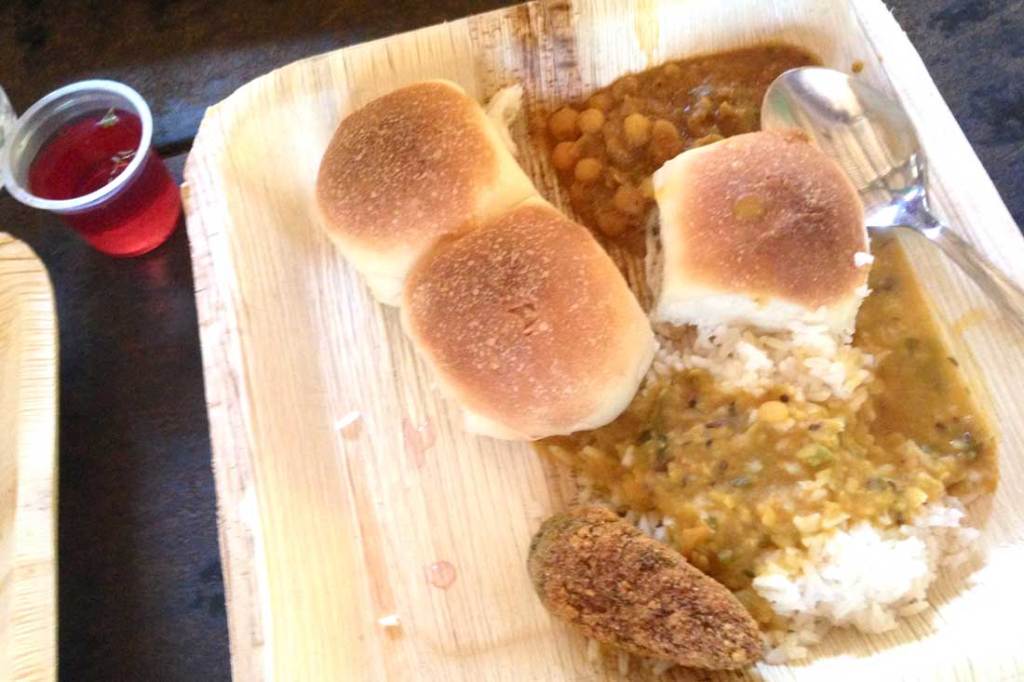
- Pao and Chorizo: Portuguese-style bread rolls (pao) filled with spicy Goan sausages.
- Cutlet Pao: Fried meat cutlets served in a bread roll with spicy sauce, a popular street food.
- Sannas: Sweet, spongy rice cakes that complement curries or are eaten as snacks.
5.3 Seafood: Goa’s Culinary Star
With its coastal location, Goa boasts an abundance of fresh seafood, which forms the backbone of its cuisine. Some standout dishes include:
- Rava Fried Fish: Fish coated in semolina and spices, shallow-fried until crispy.
- Goan Crab Masala: A rich and spicy curry featuring freshly caught crabs.
- Prawn Caldine: A mild, coconut-based curry with prawns, perfect for those who prefer less heat.
- Ambot Tik: A sour and spicy curry made with fish, vinegar, and kokum.
5.4 Desserts: Sweet Endings
Goan desserts are a celebration of Portuguese baking traditions and Indian flavors:
- Bebinca: A multi-layered coconut and egg custard cake, baked painstakingly one layer at a time.
- Doce: A sweet made from coconut and gram flour, typically prepared during festive occasions.
- Serradura: A creamy Portuguese-inspired dessert made with condensed milk and crushed biscuits.
- Perad: A thick guava cheese enjoyed as a sweet snack or dessert.
5.5 Beverages: A Taste of Goa in a Glass
Goa’s drink culture is as distinctive as its food. From traditional spirits to tropical juices, there’s something for everyone:
- Feni: A potent spirit made from cashew apples or coconut sap, considered the lifeblood of Goan culture.
- Urak: A milder, seasonal version of feni, often mixed with soda and lime for a refreshing cocktail.
- Kokum Juice: A tangy, cooling drink made from the kokum fruit, perfect for combating the Goan heat.
- Port Wine: A remnant of Portuguese influence, this sweet, fortified wine is widely enjoyed.
5.6 Dining in Goa: Where to Savor the Flavors
Goa offers a variety of dining experiences, from rustic beach shacks to upscale restaurants:
5.6.1 Beach Shacks
- Britto’s (Baga Beach): Famous for its seafood platters and relaxed vibe.
- Zeebop (Utorda Beach): Known for fresh catch dishes and stunning seaside views.
5.6.2 Traditional Goan Restaurants
- Mum’s Kitchen (Panaji): A treasure trove of authentic Goan recipes.
- O Coqueiro (Porvorim): A legendary spot known for its Portuguese-inspired dishes.
5.6.3 Luxury Dining
- The Fisherman’s Wharf (Cavelossim): Offers a mix of Goan and global cuisines with a waterfront view.
- Pousada by the Beach (Calangute): A fine-dining experience that highlights local ingredients and flavors.
5.7 Culinary Experiences in Goa
To truly immerse yourself in Goan cuisine, consider these unique experiences:
- Cooking Classes: Learn to prepare Goan delicacies with local chefs in small, intimate classes.
- Spice Plantation Tours: Explore the lush spice farms in Ponda, where you can see how spices like cardamom, pepper, and cloves are grown.
- Seafood Markets: Visit bustling markets like the Mapusa or Margao fish market to witness the vibrant seafood culture of Goa.
5.8 Goa for Foodies: Tips and Must-Try Experiences
- Explore Beyond Menus: Venture into local bakeries for traditional Goan bread like poi or katre pav.
- Pair Dishes with Drinks: Match spicy dishes with cooling beverages like sol kadhi or kokum juice.
- Try Local Snacks: Don’t miss sampling chouricos (Goan sausages) and crispy prawns on the go.
Goan cuisine is more than just food—it’s a window into the region’s soul. The melding of flavors, techniques, and traditions makes every meal an adventure. Whether you’re savoring a fiery vindaloo or indulging in the creamy sweetness of bebinca, Goan food offers a sensory journey that lingers long after the last bite. Come to Goa not just for its beaches, but for its culinary treasures that leave an indelible mark on every traveler.
Chapter 6: Adventure Activities in Goa
Goa is not just a destination for relaxation; it is a haven for thrill-seekers and adventure enthusiasts. Beyond its sun-kissed beaches and serene backwaters lies a playground of adrenaline-pumping activities, both on land and water. From watersports to trekking, Goa offers a wide range of experiences to satisfy every adventurer’s spirit. In this chapter, we’ll explore the exciting world of adventure activities that make Goa more than just a beach destination.
6.1 Watersports: Conquer the Waves
Goa’s coastline provides the perfect setting for an array of watersports, making it one of the top destinations in India for aquatic adventures.
6.1.1 Jet Skiing
- Where: Baga, Calangute, and Candolim beaches.
- Why Try It: Feel the rush of speeding across the waves on a powerful jet ski, perfect for adrenaline junkies.
6.1.2 Parasailing
- Where: Anjuna, Baga, and Colva beaches.
- Why Try It: Soar high above the sea and enjoy panoramic views of Goa’s coastline. It’s an exhilarating yet safe experience, even for beginners.
6.1.3 Windsurfing
- Where: Dona Paula, Bogmalo, and Vagator beaches.
- Why Try It: Combining the thrill of surfing with the technique of sailing, windsurfing challenges your balance and skills.
6.1.4 Scuba Diving and Snorkeling
- Where: Grande Island, Suzy’s Wreck, and Bat Island.
- Why Try It: Explore Goa’s underwater world, home to vibrant coral reefs, shipwrecks, and diverse marine life.
6.1.5 Banana Boat Rides
- Where: Palolem, Miramar, and Morjim beaches.
- Why Try It: Perfect for groups, banana boat rides offer a fun and bumpy adventure as you’re towed across the waves.
6.2 River Adventures: Explore Goa’s Backwaters
Goa’s rivers and backwaters offer a more tranquil but equally thrilling adventure experience.
6.2.1 Kayaking
- Where: Sal Backwaters, Zuari River, and Nerul River.
- Why Try It: Paddle through serene waters surrounded by lush mangroves, spotting exotic birds and marine life.
6.2.2 White Water Rafting
- Where: Mhadei River.
- Why Try It: Experience the thrill of navigating rapids amidst the dense greenery of Goa’s hinterlands.
6.2.3 Houseboat Cruises
- Where: Chapora River and Mandovi River.
- Why Try It: A luxurious and serene way to explore Goa’s backwaters, complete with stunning sunsets and traditional Goan meals.
6.3 Trekking: Into the Wild
Goa’s lush hinterlands and Western Ghats provide excellent trekking opportunities for nature lovers and adventure enthusiasts.
6.3.1 Dudhsagar Waterfalls Trek
- Why Try It: Trek through dense forests and railway tracks to reach the majestic Dudhsagar Waterfalls, one of the tallest waterfalls in India.
6.3.2 Tambdi Surla Trek
- Why Try It: This trek combines adventure with history, leading to the 12th-century Mahadeva Temple nestled amidst the forest.
6.3.3 Netravali Wildlife Sanctuary Trek
- Why Try It: Explore pristine wilderness, spot exotic wildlife, and visit hidden waterfalls.
6.4 Wildlife and Nature Safaris
Goa’s natural reserves are teeming with biodiversity, offering a different kind of adventure for those who love the outdoors.
6.4.1 Wildlife Sanctuaries
- Bhagwan Mahavir Wildlife Sanctuary: Home to leopards, deer, and a variety of birds.
- Cotigao Wildlife Sanctuary: Known for its dense forests and rare wildlife species.
6.4.2 Spice Plantation Tours
- Where: Ponda and Savoi plantations.
- Why Try It: Walk through fragrant spice farms and learn about the cultivation of cardamom, pepper, and vanilla.
6.5 Cycling and Off-Roading
For those who enjoy exploring on two wheels, Goa offers exciting cycling routes and off-road experiences.
6.5.1 Cycling Tours
- Where: Chorao Island, Divar Island, and Old Goa.
- Why Try It: Pedal through picturesque villages, lush paddy fields, and heritage sites while enjoying the slow pace of life.
6.5.2 Quad Biking
- Where: Mandrem and Arpora.
- Why Try It: Navigate rugged terrain and off-road trails, perfect for adventure lovers seeking a burst of adrenaline.
6.6 Airborne Adventures
Take to the skies and enjoy a bird’s-eye view of Goa’s stunning landscapes.
6.6.1 Hot Air Ballooning
- Where: Assolda Ground, South Goa.
- Why Try It: Float above Goa’s serene countryside at sunrise or sunset for a magical experience.
6.6.2 Paragliding
- Where: Arambol and Vagator beaches.
- Why Try It: Soar over the Arabian Sea and feel the rush of flying freely.
6.7 Unique Adventures in Goa
For those seeking something offbeat, Goa has plenty to offer:
- Dolphin Watching Tours: Set sail from Morjim or Palolem beaches to watch playful dolphins in their natural habitat.
- Caving Adventures: Explore the Arvalem Caves, also known as Pandava Caves, steeped in myth and history.
- Island Hopping: Visit lesser-known islands like Chorao and Divar for a secluded escape.
6.8 Tips for Adventure Activities in Goa
- Safety First: Always use certified operators and wear appropriate safety gear.
- Plan Ahead: Some activities, like scuba diving or rafting, require prior booking or permits.
- Best Season: The peak season for most activities is from November to March, when the weather is pleasant and seas are calm.
- Hydration and Sun Protection: Stay hydrated and use sunscreen to protect yourself during outdoor activities.
Goa’s adventurous side offers something for every thrill-seeker, whether you’re gliding over the waves, diving under the sea, or trekking through the wilderness. The state’s stunning natural beauty and diverse landscapes provide the perfect backdrop for unforgettable adventures. Whether you’re a first-time adventurer or a seasoned pro, Goa promises excitement, challenge, and memories that will last a lifetime.

Chapter 7: Spiritual and Wellness Retreats
Goa is a sanctuary for the soul. The state’s natural beauty, serene atmosphere, and deeply rooted spirituality make it an ideal destination for rejuvenation and self-discovery. Whether you’re seeking mindfulness through yoga, healing through Ayurveda, or a tranquil spiritual experience, Goa’s spiritual and wellness retreats offer a transformative escape.
7.1 Yoga Retreats in Goa
Yoga has become synonymous with Goa’s wellness culture, drawing practitioners from around the world to its ashrams and retreats. The tranquil beaches and lush landscapes provide the perfect backdrop for a journey inward.
7.1.1 Popular Yoga Retreats
- Purple Valley Yoga Retreat (Assagao): Renowned for Ashtanga yoga, this retreat offers immersive programs led by internationally acclaimed teachers.
- Satsanga Retreat: A peaceful haven offering yoga classes, meditation sessions, and Ayurvedic therapies.
- Ashiyana Yoga Retreat (Mandrem): Located near Mandrem Beach, it combines luxury accommodations with holistic yoga programs.
7.1.2 Types of Yoga Offered
- Ashtanga Yoga: A dynamic and physically demanding form of yoga that synchronizes movement with breath.
- Hatha Yoga: A gentle practice focusing on posture and breathing techniques, suitable for beginners.
- Yin Yoga: A slower, meditative form of yoga that targets deep connective tissues and promotes relaxation.
7.1.3 What to Expect
Most yoga retreats in Goa offer all-inclusive packages that include:
- Daily yoga classes and meditation sessions.
- Nutritious vegetarian or vegan meals.
- Optional wellness activities like sound healing and pranayama (breathwork).
7.2 Ayurveda and Healing
Ayurveda, the ancient Indian system of medicine, is deeply ingrained in Goa’s wellness culture. Its holistic approach to health and wellness attracts visitors seeking physical, mental, and emotional balance.
7.2.1 Ayurvedic Centers in Goa
- Devaaya Ayurveda and Nature Cure Centre (Divar Island): A luxurious retreat offering personalized Ayurvedic treatments, yoga, and naturopathy.
- Swaswara (Gokarna, near Goa): A serene retreat focusing on Panchakarma (detox therapy) and wellness programs.
7.2.2 Popular Treatments
- Panchakarma: A detoxification therapy that cleanses the body of toxins.
- Abhyanga: A relaxing full-body massage with warm herbal oils.
- Shirodhara: A soothing treatment where warm oil is poured over the forehead to calm the mind.
7.3 Meditation and Spiritual Practices
Goa’s spiritual retreats offer a chance to disconnect from the chaos of everyday life and reconnect with your inner self. These programs focus on mindfulness, meditation, and spiritual growth.
7.3.1 Meditation Centers
- Brahma Kumaris Meditation Center (Panaji): Offers guided meditation sessions and workshops on spiritual living.
- Art of Living Retreat: Conducts programs on meditation, breathing techniques, and stress management.
7.3.2 Spiritual Journeys
- Walking Meditation on the Beach: Early mornings at beaches like Arambol and Palolem are perfect for quiet walks, combining the rhythm of the waves with mindful breathing.
- Mantra Chanting: Many retreats include chanting sessions to deepen spiritual awareness and create a sense of inner harmony.
7.4 Wellness Spas and Luxury Retreats
For those seeking a mix of relaxation and indulgence, Goa’s luxury spas and wellness resorts provide world-class services.
7.4.1 Luxury Wellness Resorts
- The Leela Goa (Cavelossim): Offers a luxurious spa experience with therapies inspired by both Ayurveda and Western techniques.
- Taj Exotica Resort & Spa (Benaulim): Features a Jiva Spa, which combines Indian healing traditions with modern treatments.
- Alila Diwa Goa (Majorda): Known for its holistic wellness programs, including yoga, meditation, and customized spa treatments.
7.4.2 Signature Spa Treatments
- Hot Stone Therapy: A relaxing massage using heated stones to relieve tension.
- Seaweed Wraps: A detoxifying treatment that nourishes the skin and promotes relaxation.
- Coconut Oil Massage: A Goan specialty that uses locally sourced coconut oil for a deeply hydrating and soothing experience.
7.5 Spiritual Landmarks in Goa
Goa is home to numerous temples, churches, and other spiritual sites that inspire a sense of peace and wonder.
7.5.1 Hindu Temples
- Shri Mangeshi Temple (Ponda): Dedicated to Lord Shiva, this serene temple features intricate architecture and tranquil surroundings.
- Shri Shantadurga Temple (Kavalem): A temple devoted to the goddess of peace, blending Goan and Portuguese architectural elements.
7.5.2 Christian Churches
- Basilica of Bom Jesus (Old Goa): A UNESCO World Heritage site that holds the relics of St. Francis Xavier.
- Church of St. Francis of Assisi (Old Goa): A historic church known for its stunning frescoes and peaceful atmosphere.
7.5.3 Other Spiritual Spots
- Chapel of Our Lady of the Mount (Old Goa): Perched on a hill, this quiet chapel offers panoramic views and a serene ambiance.
- Holy Hill: A cluster of spiritual sites in Old Goa, ideal for a contemplative walk.
7.6 Wellness Events and Workshops
Goa hosts numerous wellness events throughout the year, attracting experts and participants from around the globe:
- Goa International Yoga Festival: Held annually, featuring yoga workshops, wellness talks, and cultural performances.
- Earth Healing Retreats: Focused on sustainable living, mindfulness, and reconnecting with nature.
- Sound Healing Workshops: Use vibrations from gongs and singing bowls to promote relaxation and emotional healing.
7.7 Tips for a Successful Wellness Retreat
- Choose the Right Retreat: Research programs that align with your wellness goals, whether it’s yoga, detox, or spiritual growth.
- Pack Light: Comfortable clothing, yoga mats, and reusable water bottles are essentials.
- Stay Open-Minded: Be willing to embrace new practices and experiences.
- Take Time to Reflect: Journaling your thoughts and experiences can enhance your retreat’s transformative impact.
Goa’s spiritual and wellness retreats provide the perfect opportunity to pause, reflect, and rejuvenate. Whether you’re meditating in a quiet ashram, practicing yoga by the beach, or indulging in a luxurious spa, Goa offers a sanctuary for the body, mind, and soul. These retreats are not just escapes—they’re journeys inward, helping you reconnect with your true self and return home refreshed and inspired.

Chapter 8: Accommodations: Where to Stay in Goa
Goa’s diverse range of accommodations caters to every kind of traveler, whether you’re seeking luxury, budget-friendly options, or unique stays. From plush resorts overlooking the Arabian Sea to charming heritage homes nestled in tranquil villages, Goa offers an array of places to rest your head. In this chapter, we’ll explore some places to stay in Goa, categorized by type, location, and experience, helping you find the perfect base for your adventure.
8.1 Luxury Resorts: Indulgence by the Sea
Goa’s luxury resorts redefine comfort and hospitality, combining world-class amenities with breathtaking locations. These accommodations are perfect for travelers who want to indulge in opulence while soaking in the Goan vibe.
8.1.1 Top Luxury Resorts
- The Leela Goa (Cavelossim): Set amidst sprawling gardens, this resort features private beach access, fine dining, and a serene spa.
- Taj Exotica Resort & Spa (Benaulim): Known for its elegant Mediterranean-style architecture and Jiva Spa offering traditional Indian wellness treatments.
- W Goa (Vagator): A chic, contemporary resort with a vibrant vibe, stunning cliffside views, and direct access to Vagator Beach.
- Alila Diwa Goa (Majorda): Combines modern luxury with Goan heritage, offering personalized service and tranquil surroundings.
8.2 Mid-Range and Boutique Hotels: Comfort Meets Character
For travelers seeking a balance of comfort, charm, and affordability, Goa’s mid-range and boutique hotels are ideal. These accommodations often reflect the unique culture and architecture of Goa.
8.2.1 Notable Mid-Range Hotels
- Casa Anjuna (Anjuna): A boutique property with Portuguese-inspired décor, lush gardens, and a relaxing ambiance.
- The Lazy Frog (Benaulim): A quaint and peaceful stay with cozy rooms and a friendly atmosphere.
- Citrus Goa (Calangute): Offers modern amenities and proximity to Calangute Beach, making it perfect for families and beachgoers.
8.3 Budget-Friendly Stays: Affordable Comfort
Goa is known for its traveler-friendly accommodations that cater to backpackers, solo adventurers, and budget-conscious tourists. These options provide a comfortable stay without breaking the bank.
8.3.1 Popular Budget Options
- The Hosteller Goa (Arpora): A vibrant hostel with dormitory and private rooms, perfect for meeting fellow travelers.
- Jungle by the Hostel Crowd (Vagator): A unique backpacker hostel set in a lush forested area, offering a social vibe.
- Vivenda Rebelo (Panaji): A homestay in the heart of Panaji, combining affordability with warm Goan hospitality.
8.4 Beach Huts and Shacks: Sleeping by the Shore
For a quintessential Goan experience, consider staying in a beach hut or shack. These rustic accommodations let you wake up to the sound of the waves and enjoy a laid-back, beachside lifestyle.
8.4.1 Recommended Beach Huts
- Palolem Beach Huts (Palolem): Basic but charming huts offering direct access to Palolem’s serene beach.
- Agonda Beach Huts (Agonda): Perfect for those seeking tranquility, these huts blend comfort with simplicity.
- Cuba Beach Bungalows (Baga and Palolem): Known for their cozy ambiance and stunning sea views.
8.5 Heritage Homes and Villas: Living Goa’s History
For a touch of history and tradition, Goa’s heritage homes and private villas provide a unique stay. Many of these properties are restored colonial mansions, offering an authentic glimpse into Goan culture.
8.5.1 Top Heritage Stays
- Siolim House (Siolim): A 17th-century Portuguese mansion transformed into a boutique hotel.
- Braganza House (Chandor): A stunning example of Goan-Portuguese architecture. Not sure if there’s possibility to stay overnight.
8.6 Wellness and Spiritual Retreats: Peaceful Havens
Goa’s wellness retreats combine serene locations with rejuvenating experiences like yoga, meditation, and Ayurveda. These accommodations are perfect for those seeking a holistic getaway.
8.6.1 Notable Retreats
- Ashiyana Yoga Retreat (Mandrem): Offers a variety of yoga and wellness programs with cozy yet luxurious accommodations.
- Devaaya Ayurveda and Nature Cure Centre (Divar Island): Focused on Ayurvedic healing, this retreat provides a peaceful escape surrounded by nature.
- Bamboo Yoga Retreat (Patnem Beach): Combines beachfront accommodation with yoga and wellness workshops.
8.7 Unique Stays: Out-of-the-Box Experiences
For those looking for something different, Goa offers unique accommodations that go beyond traditional hotels.
8.7.1 Unique Options
- Divar Island Cottages: Experience life on a quiet island in the Mandovi River, away from the usual tourist crowds.
- The Postcard Cuelim (Cansaulim): A boutique property offering a blend of modern luxury and traditional Goan charm, with only a handful of exclusive rooms.
8.8 Accommodations by Region
8.8.1 North Goa
Best for nightlife lovers, partygoers, and adventure enthusiasts. Popular areas include Anjuna, Vagator, and Calangute.
- Ideal for: Budget travelers, backpackers, and those seeking lively beach vibes.
8.8.2 South Goa
Known for its tranquility, pristine beaches, and luxury resorts. Popular areas include Palolem, Agonda, and Benaulim.
- Ideal for: Couples, families, and those seeking a peaceful retreat.
8.8.3 Central Goa
The cultural and historical hub of Goa, home to Panaji and Old Goa.
- Ideal for: History buffs, cultural explorers, and those on short visits.
8.9 Tips for Choosing Your Stay in Goa
- Book Early: Goa’s accommodations fill up quickly, especially during the peak season from November to February.
- Consider Location: Choose your stay based on your itinerary and interests—North Goa for nightlife, South Goa for peace, or Central Goa for culture.
- Check Amenities: Confirm the availability of air conditioning, Wi-Fi, and other essentials, especially in budget accommodations and beach huts.
- Stay Local: Opt for homestays or boutique hotels to experience authentic Goan hospitality.
Goa’s accommodations are as diverse as its attractions. Whether you’re seeking luxury, heritage, or a budget-friendly beachside stay, Goa ensures comfort, charm, and memorable experiences. By choosing the right place to stay, you can enhance your Goan adventure and make it truly unforgettable.
Chapter 9: Shopping in Goa
Goa is not just a paradise for beach lovers but also a shopper’s delight. From bustling flea markets and vibrant night bazaars to charming boutiques and artisanal stores, Goa offers a diverse shopping experience for traditional handicrafts, bohemian fashion, or unique souvenirs, and the state’s shopping scene is as colorful and eclectic as its culture.
9.1 Flea Markets: Goa’s Shopping Extravaganza
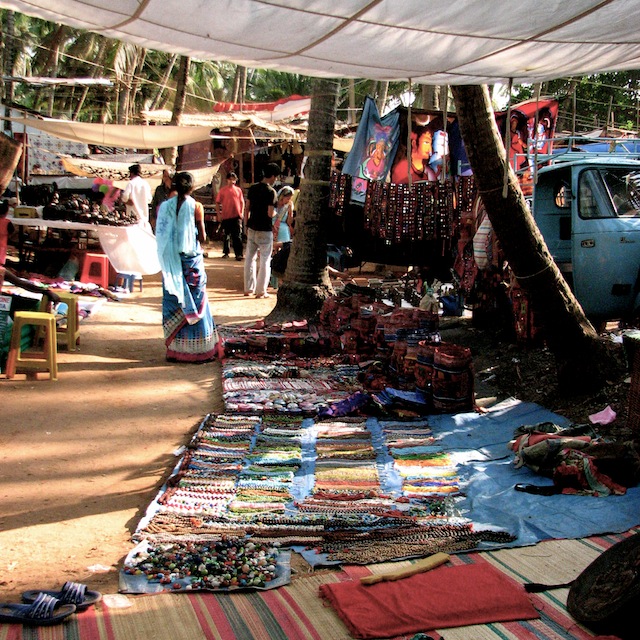
Goa’s flea markets are legendary, offering an irresistible mix of clothes, jewelry, antiques, and more. These vibrant marketplaces reflect the state’s hippie heritage and are perfect for bargain hunters.
9.1.1 Anjuna Flea Market
- When: Every Wednesday.
- What to Buy: Handmade jewelry, boho clothing, trinkets, leather goods, and souvenirs.
- Why Visit: This iconic market started in the 1960s and remains a must-visit for its lively vibe, live music, and vast array of goods.
9.1.2 Mapusa Market
- When: Every Friday.
- What to Buy: Spices, fresh produce, traditional Goan pottery, and homemade pickles.
- Why Visit: A local favorite, this market provides an authentic Goan shopping experience.
9.1.3 Arpora Night Market
- When: Every Saturday evening.
- What to Buy: Ethnic apparel, handcrafted accessories, and quirky home decor.
- Why Visit: The market comes alive with live music, food stalls, and a mix of local and international vendors.
9.2 Boutique Shopping: Unique Finds
Goa’s boutiques are treasure troves for those seeking distinctive fashion, home decor, and art pieces.
9.2.1 Sacha’s Shop (Panaji)
- What to Buy: Designer clothing, jewelry, and artisanal products.
- Why Visit: This boutique showcases curated collections from Indian designers, making it a haven for fashion enthusiasts.
9.2.2 Paper Boat Collective (Sangolda)
- What to Buy: Handcrafted home decor, pottery, and lifestyle products.
- Why Visit: Known for its minimalist aesthetic, this store is perfect for unique and thoughtful gifts.
9.2.3 Cheshire Cat Gallery (Assagao)
- What to Buy: Handcrafted silver jewelry and eclectic art pieces.
- Why Visit: A hidden gem for collectors and those who appreciate fine craftsmanship.
9.3 Traditional Handicrafts: A Glimpse of Goan Culture
Handicrafts are a vital part of Goa’s cultural heritage, and shopping for them supports local artisans while giving you a piece of Goa to take home.
9.3.1 Azulejos Tiles
- Where: Azulejos de Goa (Porvorim).
- What: Hand-painted Portuguese-style ceramic tiles depicting Goan landscapes and culture.
9.3.2 Coconut Shell Crafts
- Where: Local markets and artisan workshops in South Goa.
- What: Decorative items made from coconut shells, including lamps, bowls, and figurines.
9.3.3 Kunbi Sarees
- Where: Goa Handicrafts Emporium (Panjim).
- What: Traditional handwoven sarees, perfect for a unique wardrobe addition.
9.4 Spice Shopping: A Taste of Goa
Goa’s spices are world-famous, thanks to the region’s rich soil and tropical climate. Stocking up on spices is a must for any foodie.
Best Places for Spices
- Mapusa Market: Offers fresh and aromatic spices like cardamom, cinnamon, and nutmeg.
- Spice Plantations (Ponda): Buy directly from the source during plantation tours.
Must-Buy Spices
- Kokum: Used in Goan curries and drinks.
- Pepper: Known for its intense aroma and flavor.
- Cashews: A Goan specialty, available raw or flavored.
9.5 Souvenirs: Take Goa Home
No trip to Goa is complete without souvenirs that capture the essence of your experience. Here are some ideas:
- Goan Feni and Urrak: Locally distilled spirits made from cashew or coconut.
- Bebinca: A traditional Goan layered dessert that makes for a sweet gift.
- Shell Jewelry: Handcrafted accessories made from seashells.
9.6 Antique and Vintage Finds
Goa’s colonial history is reflected in its antique shops, where you can find one-of-a-kind treasures.
Best Places for Antiques
- Mario Miranda Gallery (Calangute): Known for iconic artworks and prints by the legendary Goan cartoonist.
9.7 Beachside Shopping: Convenience by the Waves
Many of Goa’s beaches have small stalls selling affordable goods. While not as curated as the boutiques or flea markets, they’re great for quick finds.
Popular Beach Markets
- Baga and Calangute: Perfect for souvenirs, hats, and swimwear.
- Palolem: Offers handmade jewelry, sarongs, and other beachwear.
9.8 Tips for Shopping in Goa
- Bargain Wisely: Haggling is expected in flea markets, but be polite and reasonable.
- Carry Cash: Many local vendors don’t accept credit cards, especially in smaller markets.
- Support Local Artisans: Opt for authentic, handmade products to support the local economy.
- Check Customs Rules: If you’re buying alcohol or food items, ensure they comply with your country’s import regulations.
Shopping in Goa is as much about the experience as it is about the products. From lively markets and chic boutiques to traditional handicrafts and aromatic spices, the state offers a treasure trove of delights for every kind of shopper. Whether you’re hunting for unique gifts, indulging in retail therapy, or simply exploring local culture, Goa’s shopping scene is sure to leave you with bags full of memories and a heart full of joy.
Chapter 10: Planning Your Trip to Goa
Goa is a diverse destination offering something for every traveler. Planning a trip involves selecting the right season, accommodations, and activities, as well as setting a budget. This chapter provides all the essential details to make your Goan adventure smooth and enjoyable.
10.1 Best Time to Visit Goa
Goa’s tropical climate ensures warm weather year-round, but the experience varies depending on the season.
10.1.1 Peak Season (November to February)
- Why Visit: Ideal weather for beach outings, watersports, and sightseeing.
- What to Expect: Vibrant nightlife, Christmas and New Year celebrations, and bustling markets.
- Downside: It’s the busiest season, and prices for accommodations and activities are higher.
10.1.2 Monsoon Season (June to September)
- Why Visit: Lush greenery, scenic backdrops, and discounted prices.
- What to Expect: Refreshing rains, fewer crowds, and dramatic waterfalls like Dudhsagar.
- Downside: Limited beach shacks and watersports due to rough seas.
10.1.3 Shoulder Season (March to May)
- Why Visit: Quieter beaches, good deals on accommodations, and fewer tourists.
- What to Expect: Hot and humid weather, great for budget travelers.
- Downside: Limited activities during the peak summer heat.
10.2 Getting to Goa
Goa is well-connected by air, rail, and road, making it accessible from most parts of India and the world.
10.2.1 By Air
Goa has two airports, both serving domestic and international travelers:
- Dabolim Airport (GOI): The older airport near Vasco da Gama, convenient for South Goa.
- Manohar International Airport (Mopa): A newer airport in North Goa, closer to beaches like Mandrem and Morjim.
10.2.2 By Rail
- Goa’s major railway stations are Madgaon (Margao) and Thivim, connecting to cities like Mumbai, Bangalore, and Kerala.
- Konkan Railway offers scenic routes along the western coast.
10.2.3 By Road
- From Mumbai: A 10-12 hour drive via NH66.
- From Bangalore: A 9-10 hour drive via NH48.
- Buses: Private and state-operated buses run regularly from Pune, Mumbai, and Bangalore to Goa.
10.3 Getting Around in Goa
Goa’s transportation options cater to all kinds of travelers:
10.3.1 Self-Driven Vehicles
- Scooters and Motorbikes: Popular for exploring beaches and small towns; rentals cost €4–6 per day.
- Cars: Suitable for families or groups; rentals start at €15–20 per day.
10.3.2 Taxis and Auto-Rickshaws
- Taxis: Widely available but often unmetered, so negotiate the fare in advance.
- App-Based Cabs: Services like GoaMiles are more reliable with transparent pricing.
10.3.3 Public Transport
- Buses: Operated by Kadamba Transport Corporation (KTC), they’re an affordable option for budget travelers.
- Ferries: Connect islands and riverbanks, offering a unique way to explore Goa.
10.4 Packing for Goa
Your packing list should include essentials for Goa’s tropical weather and outdoor lifestyle.
10.4.1 Clothing
- Lightweight cotton clothing, swimsuits, and beachwear.
- Comfortable footwear: Flip-flops for the beach and sneakers for sightseeing.
- A light jacket or shawl for cooler evenings (especially in winter).
10.4.2 Essentials
- Sunscreen, sunglasses, and a wide-brimmed hat.
- Mosquito repellent and a basic first-aid kit.
- Reusable water bottle to stay hydrated and eco-friendly.
10.4.3 Travel Documents
- Valid ID or passport (for international travelers).
- Copies of travel insurance and booking confirmations.
10.5 Budgeting for Your Trip
Goa caters to all types of travelers. Here’s a budget breakdown in euros (€):
10.5.1 Budget Travelers
- Daily Cost: €15–30.
- Stay: Hostels, budget hotels, or beach huts.
- Food: Local eateries and affordable beach shacks.
- Transport: Scooters or public buses.
10.5.2 Mid-Range Travelers
- Daily Cost: €35–60.
- Stay: Boutique hotels or mid-range resorts.
- Food: Mix of casual dining and fine-dining options.
- Transport: Rental cars or taxis.
10.5.3 Luxury Travelers
- Daily Cost: €90 and above.
- Stay: High-end resorts or private villas.
- Food: Upscale restaurants and private dining experiences.
- Transport: Chauffeur-driven cars or private taxis.
10.6 Goa Travel Tips
10.6.1 Respect Local Culture
- Dress modestly when visiting temples and churches.
- Seek permission before photographing locals.
10.6.2 Beach Safety
- Swim only in designated areas and avoid strong currents.
- Follow lifeguard warnings and safety signs.
10.6.3 Stay Eco-Friendly
- Avoid single-use plastics and littering on beaches.
- Support local businesses by buying handmade and eco-friendly products.
10.6.4 Plan Activities Ahead
- Book popular tours (like scuba diving or Dudhsagar Waterfall trips) in advance during peak season.
10.7 Sample Itineraries
10.7.1 Three-Day Itinerary
- Day 1: Explore Panaji’s Latin Quarter (Fontainhas) and enjoy a Mandovi River cruise.
- Day 2: Spend the day at Calangute and Baga beaches, followed by nightlife in North Goa.
- Day 3: Visit Old Goa churches and relax at a South Goa beach like Colva.
10.7.2 Week-Long Itinerary
- Day 1-2: Relax at North Goa beaches (Anjuna, Vagator) and explore its vibrant markets.
- Day 3: Visit Old Goa’s churches and heritage sites in Panaji.
- Day 4-5: Unwind at South Goa beaches like Palolem or Agonda.
- Day 6: Take a spice plantation tour and visit Dudhsagar Waterfalls.
- Day 7: Shop for souvenirs and enjoy a final beachside meal.
Planning your trip to Goa ensures a hassle-free and enriching experience. With its two airports, diverse accommodations, and range of activities, Goa has something for every traveler. By budgeting wisely and preparing well, you can make the most of your time in this tropical paradise. Whether it’s a short getaway or an extended stay, Goa promises memories to last a lifetime.
Chapter 11: Offbeat Goa: Hidden Gems
Goa is often associated with its bustling beaches and vibrant nightlife, but beyond the usual tourist hotspots lies a treasure trove of hidden gems. These lesser-known destinations offer unique experiences for travelers seeking tranquility, adventure, or cultural immersion. In this chapter, we’ll uncover the offbeat side of Goa, where you can escape the crowds and discover the state’s rich heritage, natural beauty, and serene charm.
11.1 Secluded Beaches
While Goa’s popular beaches are always buzzing, its lesser-known shores provide peaceful retreats.
11.1.1 Butterfly Beach (South Goa)
- Why Visit: This crescent-shaped beach is a hidden paradise, accessible only by boat or trek. Its clear waters, golden sands, and stunning sunsets make it a romantic getaway.
- How to Get There: Hire a boat from Palolem or Agonda beaches.
11.1.2 Cola Beach (South Goa)
- Why Visit: A serene beach with a freshwater lagoon, perfect for kayaking, swimming, or simply unwinding amidst nature.
- How to Get There: Accessible by road, but the route includes a rough patch, adding to the adventure.
11.1.3 Keri Beach (Querim, North Goa)
- Why Visit: The northernmost beach in Goa, Keri is quiet and picturesque, offering views of the Terekhol River meeting the Arabian Sea.
- How to Get There: A short drive from Arambol, it’s ideal for solitude seekers.
11.2 Quaint Villages
Goa’s rural side is a world away from its touristy beaches, offering a glimpse into traditional Goan life.
11.2.1 Aldona (North Goa)
- Why Visit: A charming village with beautiful churches, verdant fields, and the scenic Corjuem Fort.
- What to Do: Visit St. Thomas Church, take a stroll by the Aldona River, or explore the quiet backroads.
11.2.2 Divar Island (Central Goa)
- Why Visit: Located on the Mandovi River, this idyllic island is known for its lush greenery, historic churches, and traditional homes.
- What to Do: Explore the island by bicycle or scooter and visit the famous Church of Our Lady of Compassion.
11.2.3 Loutolim (South Goa)
- Why Visit: A village steeped in Portuguese heritage, featuring traditional mansions and the famous Salvador do Mundo Church.
- What to Do: Tour the Big Foot Museum, showcasing Goan culture and history.
11.3 Historical and Architectural Marvels
Goa’s offbeat landmarks reveal its layered history and architectural splendor.
11.3.1 Terekhol Fort (North Goa)
- Why Visit: Perched on a cliff overlooking the Arabian Sea, this 17th-century fort offers panoramic views and a serene ambiance.
- What to Do: Explore the restored chapel and relax at the heritage hotel within the fort premises.
11.3.2 Braganza House (Chandor, South Goa)
- Why Visit: A 17th-century mansion showcasing Goan-Portuguese architecture, with antique furniture, chandeliers, and family heirlooms.
- What to Do: Take a guided tour of the house and enjoy its old-world charm.
11.3.3 Usgalimal Rock Carvings (South Goa)
- Why Visit: One of India’s oldest prehistoric sites, featuring ancient petroglyphs etched into laterite rock along the Kushavati River.
- What to Do: Marvel at the carvings depicting animals, humans, and geometric patterns.
11.4 Nature and Wildlife Retreats
For nature enthusiasts, Goa’s hidden sanctuaries and trails are a refreshing escape.
11.4.1 Netravali Wildlife Sanctuary (South Goa)
- Why Visit: A biodiversity hotspot with hiking trails, waterfalls, and rare wildlife like the black panther and Malabar trogon.
- What to Do: Trek to the Savari and Mainapi waterfalls and enjoy birdwatching.
11.4.2 Chorla Ghat (North Goa)
- Why Visit: Nestled in the Western Ghats, this lush region is ideal for trekking, birdwatching, and eco-tourism.
- What to Do: Explore hidden waterfalls and stay at an eco-resort to fully immerse yourself in nature.
11.4.3 Salim Ali Bird Sanctuary (Chorao Island)
- Why Visit: A mangrove swamp teeming with birdlife, including kingfishers, herons, and eagles.
- What to Do: Take a guided canoe tour for a closer look at the mangroves and wildlife.
11.5 Offbeat Activities
Goa’s hidden gems extend beyond destinations to unique experiences and activities.
11.5.1 Caving at Arvalem Caves (North Goa)
- Why Try It: Known as the Pandava Caves, these rock-cut caves date back to the 6th century and offer a fascinating glimpse into Goa’s ancient history.
- How to Get There: Located near Sanquelim, a short drive from Bicholim.
11.5.2 River Kayaking (South Goa)
- Why Try It: Paddle through the serene Sal Backwaters, surrounded by mangroves and exotic birdlife.
- Where to Go: Start from locations like Palolem or Cavelossim.
11.5.3 Spice Plantation Tours (Ponda)
- Why Try It: Visit organic spice plantations to learn about the cultivation of cardamom, pepper, and vanilla.
- What to Expect: Guided tours, traditional Goan meals, and opportunities to purchase fresh spices.
11.6 Hidden Cultural Experiences
Goa’s rich culture extends into its art, crafts, and folklore.
11.6.1 Pottery Workshops in Bicholim
- Why Try It: Learn traditional Goan pottery techniques from local artisans.
- What to Do: Create your own pottery piece as a memorable keepsake.
11.6.2 Fado Evenings
- Why Try It: Experience Portuguese-inspired music performed in intimate settings at select venues in Panaji or Old Goa.
- Where to Go: Venues like Fontainhas or smaller cultural hubs.
11.6.3 Festivals in Offbeat Locations
- Example: The unique Bonderam Festival on Divar Island, celebrated with vibrant parades and mock battles.
- Why Visit: Experience a slice of local life with fewer tourists.
11.7 Tips for Exploring Offbeat Goa
- Rent a Scooter or Car: Many offbeat locations are best accessed with your own transportation.
- Pack Essentials: Carry water, snacks, sunscreen, and insect repellent for remote destinations.
- Start Early: Hidden gems are best enjoyed in the quiet of the morning, especially during sunrise.
- Respect Local Communities: Be mindful of cultural norms and avoid disturbing the environment.
Offbeat Goa offers a world of discovery beyond its famous beaches and nightlife. From secluded beaches and charming villages to ancient forts and lush sanctuaries, these hidden gems reveal a quieter, more intimate side of Goa. Whether you’re a nature lover, history enthusiast, or cultural explorer, these lesser-known treasures promise a truly unique and enriching experience.

Chapter 12: Goa for Different Travelers
Goa is a destination that welcomes all kinds of travelers, offering a diverse array of experiences to suit various interests and preferences. Whether you’re traveling as a family, a couple, a solo adventurer, or a party enthusiast, Goa caters to your unique needs. In this chapter, we’ll explore how Goa offers something special for every type of traveler.
12.1 Goa for Families
Goa is a fantastic destination for families, offering child-friendly attractions, relaxed beaches, and plenty of activities for all ages.
12.1.1 Family-Friendly Beaches
- Colva Beach (South Goa): Its shallow waters and clean sands make it ideal for children to play.
- Benaulim Beach (South Goa): Quiet and safe, it’s perfect for a peaceful family outing.
- Candolim Beach (North Goa): Great for families seeking a mix of activity and relaxation.
12.1.2 Activities for Families
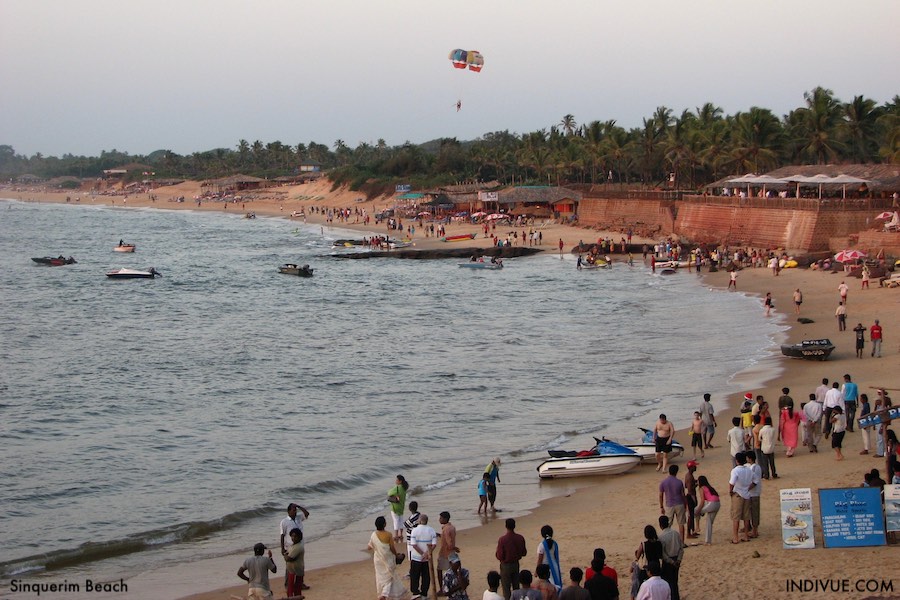
- Dolphin Watching: Boat tours from Palolem or Sinquerim let kids enjoy spotting playful dolphins.
- Wildlife Sanctuaries: Visit Bhagwan Mahavir Wildlife Sanctuary or the Salim Ali Bird Sanctuary to explore nature together.
- Goa Science Centre (Panaji): Interactive exhibits and a planetarium make this an educational and fun visit for kids.
12.1.3 Accommodation for Families
- Resorts with Kids’ Clubs: Taj Exotica (Benaulim) and Novotel Goa (Candolim) offer family-friendly amenities like kids’ play areas and babysitting services.
- Villas: Rent a private villa for extra space and privacy, such as in areas like Assagao or Calangute.
12.2 Goa for Couples
Goa is a dreamy destination for couples, offering romantic sunsets, serene beaches, and luxurious experiences.
12.2.1 Romantic Beaches
- Palolem Beach (South Goa): Known for its crescent shape and tranquil ambiance, perfect for romantic strolls.
- Butterfly Beach (South Goa): Secluded and picturesque, accessible only by boat, ideal for privacy.
- Ashwem Beach (North Goa): Upscale and quiet, with boutique resorts offering beachfront views.
12.2.2 Activities for Couples
- Sunset Cruises: Book a private Mandovi River cruise to enjoy the sunset with a glass of wine.
- Couples’ Spa Experiences: Indulge in a relaxing couples’ massage at luxury resorts like Alila Diwa or W Goa.
- Hot Air Ballooning: Float over Goa’s scenic landscapes at sunrise for a magical experience.
12.2.3 Dining for Two
- Beachfront Restaurants: Pousada by the Beach (Calangute) and Thalassa (Siolim) offer intimate dining with stunning views.
- Candlelit Dinners: Enjoy private setups on the beach offered by resorts like The Leela Goa or Taj Fort Aguada.
12.3 Goa for Solo Travelers
Goa is a haven for solo travelers, offering a mix of adventure, relaxation, and opportunities to meet like-minded people.
12.3.1 Best Places for Solo Travelers
- Anjuna and Vagator (North Goa): Known for their laid-back vibe and backpacker hostels.
- Patnem Beach (South Goa): A quieter alternative for those seeking solitude and yoga retreats.
12.3.2 Activities for Solo Travelers
- Yoga Retreats: Join a retreat at Ashiyana Yoga (Mandrem) or Bamboo Yoga (Patnem) to rejuvenate your mind and body.
- Explore Flea Markets: Anjuna Flea Market and Arpora Night Market are great places to wander, shop, and meet fellow travelers.
- Water Adventures: Try scuba diving or kayaking, perfect for adventurous solo travelers.
12.3.3 Socializing
- Hostels: Stay at sociable hostels like The Hosteller (Arpora) or Jungle Hostel (Vagator) to meet other solo travelers.
- Work-Friendly Cafes: Hang out at cafes like The Project Café (Assagao) or Bodega (Panaji) for a creative, welcoming atmosphere.
12.4 Goa for Adventure Enthusiasts
Goa’s varied landscapes and waters offer a playground for thrill-seekers.
12.4.1 Water Sports
- Jet Skiing: Available at Baga, Calangute, and Colva beaches.
- Scuba Diving: Explore underwater wonders at Grande Island or Suzy’s Wreck.
- Parasailing: Get an adrenaline rush at beaches like Anjuna and Dona Paula.
12.4.2 Trekking
- Dudhsagar Waterfalls Trek: A challenging hike to one of India’s tallest waterfalls.
- Netravali Wildlife Sanctuary: Trek through dense forests and discover hidden waterfalls.
12.4.3 Unique Adventures
- Hot Air Ballooning: Soar over Goa’s stunning countryside.
- Caving: Explore the ancient Arvalem Caves for a mix of adventure and history.
12.5 Goa for Party Lovers
Goa’s legendary nightlife is a magnet for party enthusiasts from around the world.
12.5.1 Iconic Nightclubs
- Club Cubana (Arpora): Known as the “nightclub in the sky,” offering a vibrant party scene.
- Hilltop (Vagator): Famous for its open-air psytrance parties.
12.5.2 Beach Parties
- Anjuna Beach: Hosts regular full moon parties and live music events.
- Morjim Beach: Known for quieter yet equally energetic beachside parties.
12.5.3 Silent Noise Parties
- Where: Palolem Beach.
- Why Try It: Dance to your own beat with headphones, creating a unique and eco-friendly party experience.
12.6 Goa for History and Culture Enthusiasts
Goa’s rich history and cultural heritage are a delight for curious travelers.
12.6.1 Historical Sites
- Old Goa: Explore UNESCO-listed churches like the Basilica of Bom Jesus and Se Cathedral.
- Chapora Fort: Offers stunning views and historical significance.
12.6.2 Cultural Experiences
- Fontainhas (Panaji): Walk through Goa’s Latin Quarter to see colorful Portuguese-style houses.
- Fado Performances: Experience Portuguese-inspired music at intimate venues in Panaji.
12.6.3 Traditional Goan Cuisine
- Cooking Classes: Learn to make Goan dishes like fish curry and bebinca at places like Rita’s Gourmet in Dabolim.
12.7 Goa for Wellness Seekers
Goa’s wellness retreats are perfect for those seeking relaxation and rejuvenation.
12.7.1 Yoga and Ayurveda
- Best Retreats: Ashiyana Yoga Retreat (Mandrem) and Devaaya Ayurveda Centre (Divar Island).
- Treatments: Try Panchakarma detox or Shirodhara for a calming experience.
12.7.2 Meditation Centers
- Vipassana Retreats: Offered at Dhamma Vipula (Margao) for those seeking inner peace.
- Sound Healing: Attend workshops in Assagao or Canacona.
Goa’s diversity ensures that every traveler can find their own slice of paradise. From family-friendly beaches and romantic escapes to thrilling adventures and spiritual retreats, Goa caters to a wide range of interests and preferences. No matter your travel style, Goa promises an unforgettable experience tailored just for you.
Chapter 13: Responsible Tourism in Goa
As one of India’s most popular destinations, Goa welcomes millions of visitors each year. While tourism brings significant economic benefits, it also presents challenges like environmental degradation, cultural insensitivity, and overcrowding. By practicing responsible tourism, travelers can help preserve Goa’s natural beauty, cultural heritage, and way of life for generations to come. This chapter explores how you can enjoy Goa ethically and sustainably while making a positive impact.
13.1 Understanding Responsible Tourism
Responsible tourism involves minimizing your environmental footprint, respecting local culture, and supporting the community. In Goa, this means:
- Preserving the fragile coastal ecosystem.
- Respecting Goa’s diverse cultural and religious heritage.
- Supporting local businesses and artisans.
13.2 Eco-Friendly Travel Practices
Goa’s beaches, forests, and backwaters are its lifeblood. Protecting these natural resources is crucial for sustainable tourism.
13.2.1 Minimize Plastic Use
- Avoid single-use plastics like straws, cutlery, and water bottles. Carry a reusable water bottle and refill it at your accommodation.
- Say no to plastic bags and carry a cloth tote for shopping.
13.2.2 Dispose of Waste Responsibly
- Use designated trash bins, especially on beaches.
- Avoid littering in natural areas like forests, rivers, and wildlife sanctuaries.
13.2.3 Choose Eco-Friendly Transport
- Opt for bicycles or electric scooters to reduce carbon emissions.
- Use public transportation whenever possible.
13.2.4 Stay at Eco-Conscious Accommodations
- Look for eco-friendly resorts and homestays that use sustainable practices like solar energy, rainwater harvesting, and organic farming.
- Examples: Bamboo Eco Cottages in Palolem or The Greenhouse in Assagao.
13.3 Supporting Local Communities
Tourism can be a force for good when it uplifts local communities and preserves cultural heritage.
13.3.1 Shop Local
- Buy handicrafts, spices, and textiles from local markets like Anjuna Flea Market or Mapusa Market.
- Support Goan artisans by purchasing handcrafted items like azulejos tiles, pottery, and coconut shell art.
13.3.2 Eat at Local Eateries
- Dine at family-run restaurants and beach shacks to savor authentic Goan cuisine and support local livelihoods.
- Avoid international fast-food chains in favor of local cafes and bakeries.
13.3.3 Choose Local Guides
- Hire local guides for cultural and wildlife tours to gain authentic insights while supporting the community.
- Example: Opt for locally-run spice plantation tours in Ponda.
13.4 Respecting Goa’s Culture
Goa’s rich cultural heritage is deeply rooted in its Hindu, Christian, and Portuguese influences. Show respect by observing local customs and traditions.
13.4.1 Dress Modestly
- Cover your shoulders and knees when visiting temples, churches, or mosques.
- Avoid walking around villages or markets in beachwear.
13.4.2 Seek Permission for Photography
- Always ask for consent before photographing locals or religious ceremonies.
- Avoid taking intrusive photos in rural villages or private spaces.
13.4.3 Celebrate Respectfully
- Participate in local festivals like Carnival or Shigmo, but avoid behaviors that may offend the community.
- During beach parties or nightlife events, be mindful of noise levels and respect the local area.
13.5 Protecting Goa’s Wildlife and Ecosystems
Goa’s diverse ecosystems are home to unique flora and fauna. Responsible tourism ensures their protection.
13.5.1 Avoid Disturbing Wildlife
- Do not feed or approach wild animals, including dolphins during boat tours.
- Stick to marked trails when trekking in sanctuaries like Netravali or Bhagwan Mahavir.
13.5.2 Support Ethical Tours
- Choose dolphin-watching tours that prioritize animal welfare, avoiding operators that chase or overcrowd marine life.
- Participate in eco-tourism activities like birdwatching at Salim Ali Bird Sanctuary or kayaking through mangroves.
13.5.3 Respect Protected Areas
- Follow rules in wildlife sanctuaries and avoid littering or loud noises.
- Do not remove shells, corals, or sand from beaches.
13.6 Participating in Local Sustainability Efforts
Many organizations in Goa work toward preserving its environment and culture. Tourists can contribute by:
- Volunteering with cleanup drives or eco-projects.
- Attending workshops on sustainable living, such as permaculture or organic farming.
- Donating to initiatives that focus on wildlife conservation or waste management.
13.7 Avoiding Over-Tourism
Over-tourism leads to overcrowding, environmental damage, and loss of cultural authenticity. Reduce your impact by:
- Visiting during the off-season (June to September) to ease the burden on popular areas.
- Exploring offbeat destinations like Divar Island, Aldona, or Cola Beach to distribute tourist traffic.
- Limiting your time at heavily crowded beaches like Baga and Calangute.
13.8 Tips for Responsible Partying
Goa’s nightlife is famous, but it’s essential to enjoy it responsibly:
- Avoid littering at party venues, especially on beaches.
- Use designated bins to dispose of bottles, cups, and other waste.
- Refrain from loud music or disruptive behavior in residential areas.
- Choose licensed venues and avoid unregulated rave parties to ensure safety and legality.
13.9 Giving Back
Goa thrives on its community and natural beauty. Consider leaving a positive impact:
- Donate to Local Charities: Support organizations focused on education, women’s empowerment, or environmental conservation.
- Plant Trees: Participate in reforestation projects or donate to eco-initiatives that focus on tree planting.
Practicing responsible tourism in Goa is about enjoying its beauty and vibrancy while ensuring its preservation. By adopting eco-friendly habits, respecting local culture, and supporting sustainable initiatives, travelers can make a positive impact on this beloved destination. Let Goa’s timeless charm inspire you to travel thoughtfully, leaving behind only footprints and taking home memories that respect and honor this tropical paradise.s that respect and honor this tropical paradise.

Chapter 14: Goa Beyond Beaches (Alternate Sights)
While Goa’s beaches draw the crowds, its true charm lies in the diverse experiences awaiting inland. Beyond the sands, Goa is a land of hidden lakes, mysterious caves, ancient temples, and cultural landmarks that offer a richer understanding of its heritage and natural beauty. This chapter uncovers alternative gems that go beyond the usual recommendations, revealing lesser-known yet equally captivating destinations.
14.1 Hidden Waterfalls and Lakes
Goa’s inland treasures include stunning waterfalls and serene lakes that provide a peaceful escape from the lively beaches. These hidden gems, often surrounded by lush greenery and wildlife, offer tranquil settings for relaxation, picnics, and exploration.
14.1.1 Kesarval Spring (Verna)
- Why Visit: This natural spring is believed to have healing properties, making it a popular spot for a refreshing dip. The water cascades gently through lush vegetation, creating a serene ambiance.
- Best For: Relaxation and rejuvenation in a quiet natural setting.
14.1.2 Arvalem Waterfalls (Sanquelim)
- Why Visit: Tucked away amidst dense greenery, this picturesque waterfall is a serene retreat. It flows during the monsoon season and is less crowded, making it ideal for peaceful exploration.
- Special Feature: Close to the ancient Arvalem Caves, allowing for a combined cultural and natural experience.
- Best For: Nature lovers and photographers seeking tranquility.
14.1.3 Pali Waterfall (Valpoi)
- Why Visit: Deep within Goa’s forested interior, Pali Waterfall offers an offbeat adventure for those willing to trek through rugged terrain. Its secluded location adds to the thrill.
- Special Feature: Rare flora and fauna surround the waterfall, making it a hotspot for nature photography.
- Best For: Adventure seekers and trekkers.
14.2 Ancient Temples and Religious Sites
14.2.1 Brahma Temple (Valpoi)
- Why Visit: One of the few temples in India dedicated to Lord Brahma, it stands as a testament to Goa’s Hindu heritage.
- What to See: Intricate carvings and peaceful surroundings.
14.2.2 Shri Nagueshi Temple (Bandora)
- Why Visit: Dedicated to Lord Shiva, this temple features beautiful wood carvings and an ancient water tank.
- Special Feature: The temple exudes serenity and historical significance.
14.2.3 Saptakoteshwar Temple (Narve)
- Why Visit: A 12th-century temple rebuilt during the Maratha rule, showcasing a mix of Hindu and Islamic architectural styles.
- What to See: A majestic stone lamp tower and intricate carvings.
14.3 Forts and Historical Landmarks
14.3.1 Cabo de Rama Fort (South Goa)
- Why Visit: Steeped in legend, this fort offers stunning views of the sea and a slice of Goa’s pre-Portuguese history.
- Best For: History buffs and sunset lovers.
14.3.2 Rivona Caves (Rivona)
- Why Visit: These ancient laterite caves are believed to have been used by Buddhist monks for meditation.
- What to Do: Explore the caves and enjoy their mystical ambiance.
14.3.3 Sinquerim Fort (North Goa)
- Why Visit: An extension of Aguada Fort, it is less crowded and offers a peaceful escape with panoramic views of the sea.
14.4 Cultural and Artistic Experiences
14.4.1 Mario Miranda Gallery (Salvador do Mundo)
- Why Visit: Dedicated to the works of Goa’s most celebrated cartoonist, Mario Miranda.
- What to See: Quirky sketches and art capturing the essence of Goan life.
14.4.2 Chitrali Handicrafts Center (Ponda)
- Why Visit: Learn about traditional Goan crafts like pottery, bamboo work, and coconut shell carving.
- What to Do: Take a hands-on workshop or purchase unique souvenirs.
14.4.3 Menezes Braganza Pereira House (Chandor)
- Why Visit: A hidden gem showcasing Goan-Portuguese architecture and antique collections.
- Special Feature: Guided tours by the descendants of the original family.
14.5 Offbeat Villages and Countryside Charm
14.5.1 Moira
- Why Visit: Known for its quirky local legends and unique banana plantations.
- What to Do: Visit the Church of Our Lady of Immaculate Conception and take a stroll through the village’s scenic paths.
14.5.2 Korgaon
- Why Visit: A quiet village famous for its traditional clay art and pottery.
- What to Do: Explore local workshops and interact with artisans.
14.5.3 Betqui (Narve)
- Why Visit: A picturesque village known for its lush paddy fields and peaceful ambiance.
- Special Feature: Ideal for cycling or leisurely walks.
14.6 Hidden Wildlife and Nature Spots
14.6.1 Olaulim Backyards (Pomburpa)
- Why Visit: A serene eco-resort set amidst a mangrove forest, perfect for kayaking or birdwatching.
- Special Feature: Spot kingfishers, herons, and otters.
14.6.2 Amthane Dam (Bicholim)
- Why Visit: A tranquil spot offering stunning views of the surrounding hills and forests.
- Best For: Picnics and quiet contemplation.
14.6.3 Bondla Nature Reserve (Ponda)
- Why Visit: Known for its dense forests and small zoo featuring regional wildlife.
- Best For: Families and nature enthusiasts.
14.7 Unique Backwater and River Experiences
14.7.1 Zuari River Crocodile Safari
- Why Visit: A thrilling boat ride to spot crocodiles basking along the riverbanks.
- Best For: Wildlife lovers seeking an adventurous experience.
14.7.2 Mayem Lake (Bicholim)
- Why Visit: A serene lake surrounded by cashew plantations, offering pedal boats and picnic spots.
- What to Do: Enjoy boating and watch migratory birds.
14.7.3 Chapora River Trails
- Why Visit: Explore the mangroves and local fishing villages along this peaceful river.
- What to Do: Take a kayaking tour or relax on a riverside hammock.
14.8 Offbeat Adventures
14.8.1 Eco-Treks at Tambdi Surla
- Why Visit: Organized by local eco-tour groups, these treks explore hidden trails and untouched forests.
- Best For: Adventure enthusiasts and eco-conscious travelers.
14.8.2 Rock Art at Pansaimol (Sanguem)
- Why Visit: Explore prehistoric rock carvings, believed to date back to the Mesolithic period.
- What to Do: Guided tours provide fascinating insights into ancient civilizations.
14.8.3 Paragliding at Keri
- Why Visit: Fly over lush greenery and beaches for a bird’s-eye view of Goa’s landscape.
- Best For: Thrill-seekers looking for a unique perspective.
14.9 Tips for Exploring Inland Goa
- Hire a Local Guide: Gain deeper insights into history and culture while supporting the community.
- Rent a Scooter or Bicycle: Many hidden gems are accessible via scenic routes best explored on two wheels.
- Respect Nature and Culture: Preserve the beauty of these spots by avoiding littering and respecting local traditions.
- Start Early: Enjoy the peace and quiet of these locations in the morning before any crowds arrive.
Goa’s inland treasures offer a refreshing alternative to its popular beaches. Whether you’re exploring ancient temples, trekking through lush forests, or wandering through charming villages, these lesser-known gems reveal a side of Goa that is deeply enriching and uniquely rewarding. Step beyond the sand and surf to experience the soul of this incredible state.

Get more travel ideas for Goa from INDIVUE – Trip to Goa – the Visual Travel Guide!
 INDIVUE - travel & art