
Goa is synonymous with scenic beaches, vibrant nightlife and a relaxed ambiance, but the region also boasts a rich tapestry of history and culture, often overshadowed by its more hedonistic attractions. From ancient temples to grand churches, and from Portuguese forts to traditional homes, the historical landmarks of Goa serve as mute witnesses to the complexities of an ever-changing geopolitical landscape.
Have a journey through time and culture by exploring these sites, and you will gain a nuanced understanding of Goa’s blended cultural fabric, which brings together elements of indigenous practices and foreign influences.
Temples and Spiritual Centers
Mahadev Temple at Tambdi Surla
One of the oldest temples in Goa, the Mahadev Temple, is a stunning example of Kadamba-Yadava architecture. Built in the 12th century, this temple has stood the test of time and invasions. The intricate stone carvings narrate stories from Hindu mythology, offering insight into the religious climate of ancient Goa.
Mangueshi Temple
The Mangueshi Temple, dedicated to Lord Manguesh—an incarnation of Shiva—is a 16th-century marvel. The temple complex features a seven-story lamp tower and intricate wooden carvings that exhibit the finesse of traditional Goan craftsmanship.
Colonial Churches
Basilica of Bom Jesus
No visit to Goa would be complete without a trip to the Basilica of Bom Jesus, a UNESCO World Heritage Site. Built in the late 16th century, this church is a stellar example of Baroque architecture. It houses the mortal remains of St. Francis Xavier, making it a significant pilgrimage site for Christians around the world.
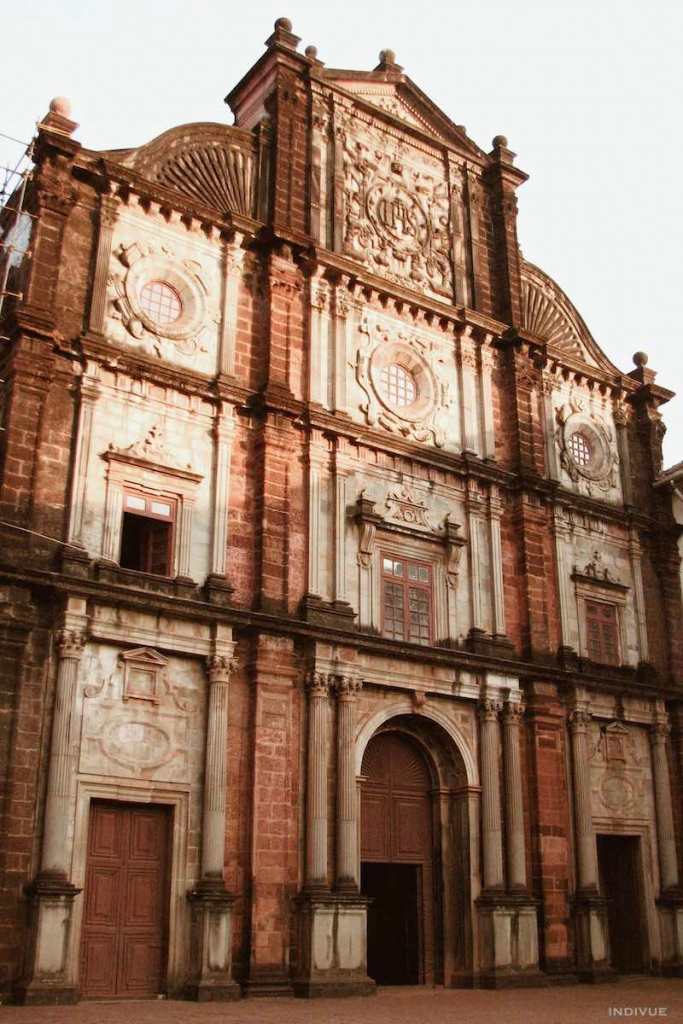
Se Cathedral
Se Cathedral is another stunning church that represents the legacy of Portuguese colonialism in Goa. It is having altar dedicated to St. Catherine of Alexandria and its golden bell is famous for its rich tone.
Forts and Defensive Structures
Fort Aguada
Constructed in the early 17th century by the Portuguese, Fort Aguada served as a vital point for guarding against Dutch and Maratha invasions. Perched on Sinquerim Beach, this fort also functioned as a freshwater supply station for ships. Its lighthouse stands as one of the oldest of its kind in Asia.
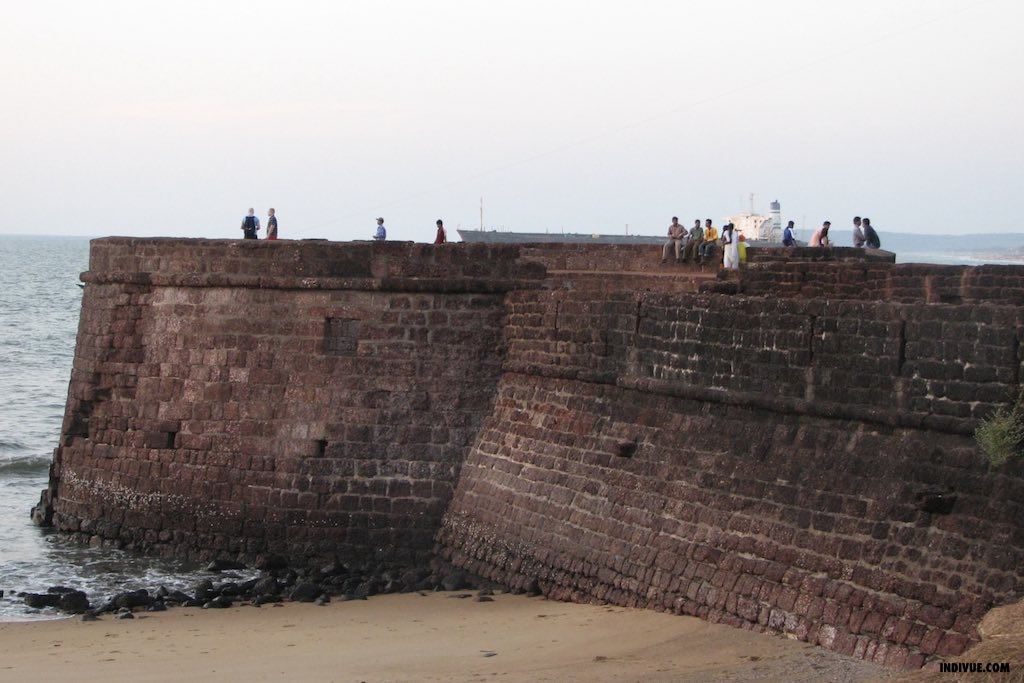
Chapora Fort
Immortalized by popular culture, Chapora Fort offers panoramic views of the Arabian Sea. Although in ruins, the fort stands as a testament to Goa’s complex history of conquests and re-conquests, initially being a watchpoint against Hindu raiders and later against the British during the Portuguese era. However, while Chapora Fort was a strategic point that allowed the Portuguese to monitor various activities, including those of the British, this vigilance did not translate into an armed conflict between the two colonial powers over the fort.
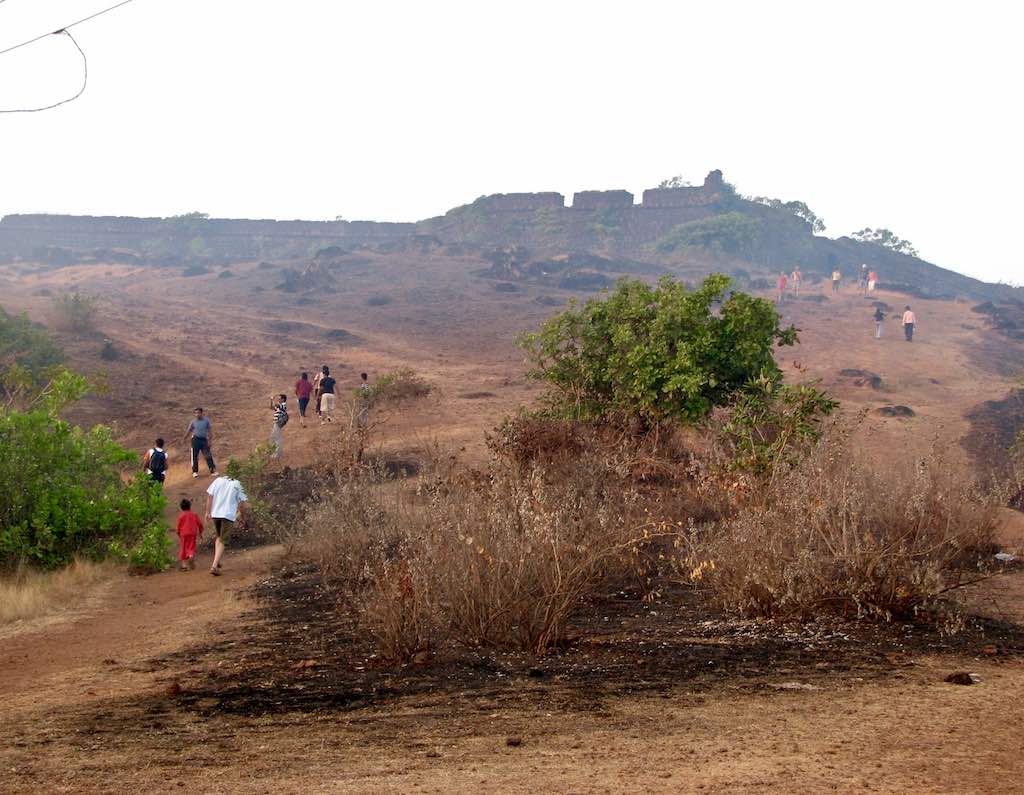
Cabo De Rama Fort
Named after Lord Rama from the Hindu epic Ramayana, this fort has changed hands many times—from Hindu rulers to the Portuguese. Today, Cabo De Rama Fort stands as a testament to the layered history of the region and offers a breathtaking view of the Arabian Sea.
Traditional Homes and Museums
Menezes Braganza House
This 17th-century mansion offers a glimpse into the life of Goa’s elite during the colonial period. With intricate woodwork and European chandeliers, the house is a fusion of Indian and Portuguese aesthetics.
Goa State Museum
For those interested in a comprehensive understanding of Goa’s history, a visit to the Goa State Museum is indispensable. The museum houses a vast collection of artifacts, ranging from sculptures and coins to musical instruments and ancient manuscripts.
Waterfront Landmarks
Dona Paula
A jetty turned tourist attraction, Dona Paula has its own share of myths and legends. Most common story tells that the area of Dona Paula in Goa, being a popular tourist spot nowadays, is named after Dona Paula, who dedicated her life to charity and social causes to the local community. She was said to be a relative of the Portuguese viceroy.
Salim Ali Bird Sanctuary
Named after the eminent Indian ornithologist, Dr. Salim Ali, this sanctuary is located on the island of Chorao along the Mandovi River. While not a “historical” landmark in the traditional sense, it holds cultural and ecological significance.
The historical landmarks of Goa present a compelling narrative of cultural amalgamation and coexistence. Each structure tells a tale of a bygone era, whether it’s the spiritual solace offered by ancient temples, the architectural grandeur of colonial churches, or the military ingenuity of aged forts. To truly understand the essence of Goa, one must journey through these sites, allowing the silent stones to speak volumes about the state’s multifaceted history.
By embracing its past, Goa offers a complex yet enriching experience that transcends the typical perceptions of this coastal paradise. So the next time you visit Goa, remember that its sun-kissed beaches may be the tip of the iceberg, but there’s beauty also in the stories encapsulated within its historical landmarks.
Useful links:
- Trip to Goa – Visual travel guide
- Trip to Goa visual travel guide in Finnish
- Trip to India – Visual travel guide
- Trip to Europe – Visual travel guide
Subscribe my blog to get to see more authentic photos!
Read more of this content when you subscribe today.
 INDIVUE - travel & art