
Raghu Rai was one of the most influential photographers of the modern era and was widely regarded as India’s greatest visual storyteller. Over a career that spanned more than five decades, he documented the complexity of India with rare sensitivity, combining journalistic precision with artistic depth. His passing marked the end of an extraordinary chapter in global photography, but his images continue to resonate across generations.
Early Life and Career
Born in 1942 in Jhang (now in Pakistan), Raghu Rai grew up in post-partition India, an experience that shaped his deep awareness of history and human vulnerability. He did not begin as a photographer; his early training was in civil engineering. However, after being introduced to photography by his brother, he quickly developed a powerful visual instinct.
By the 1960s, he had already begun establishing himself as a photojournalist, capturing everyday life with an uncommon ability to find meaning in fleeting moments.
Magnum Photos and International Recognition
A major turning point in his career came in 1977, when he was invited by Henri Cartier-Bresson to join Magnum Photos. This recognition placed him among the world’s most respected photographers.
Despite international acclaim, Rai remained deeply rooted in India. His work consistently reflected the country’s social, cultural, and political realities without losing its human core.
Style, Themes, and Visual Language
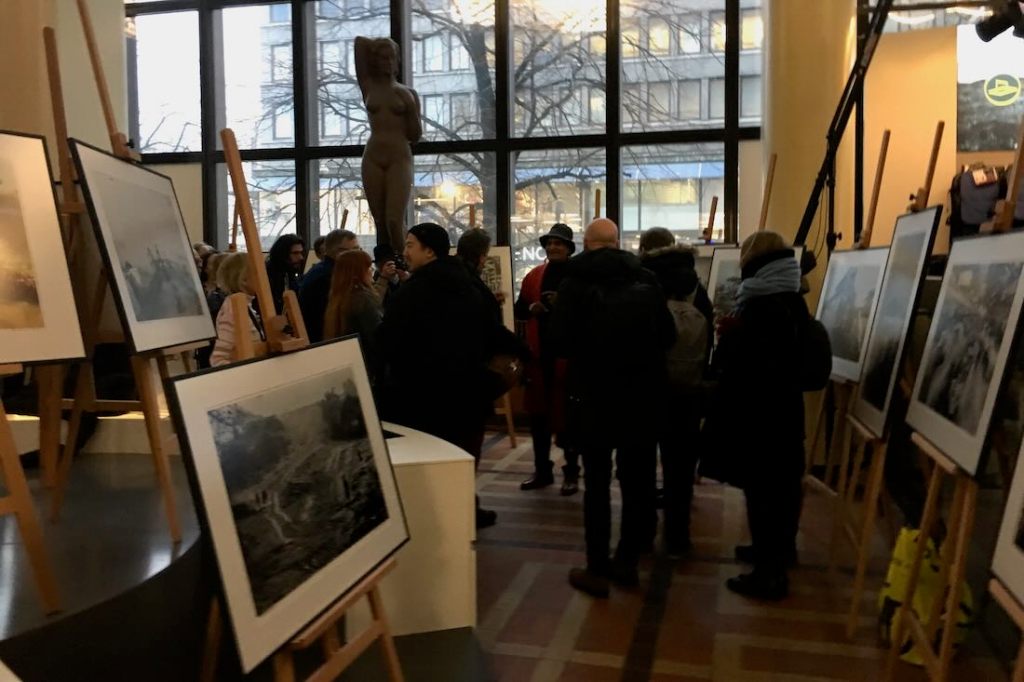
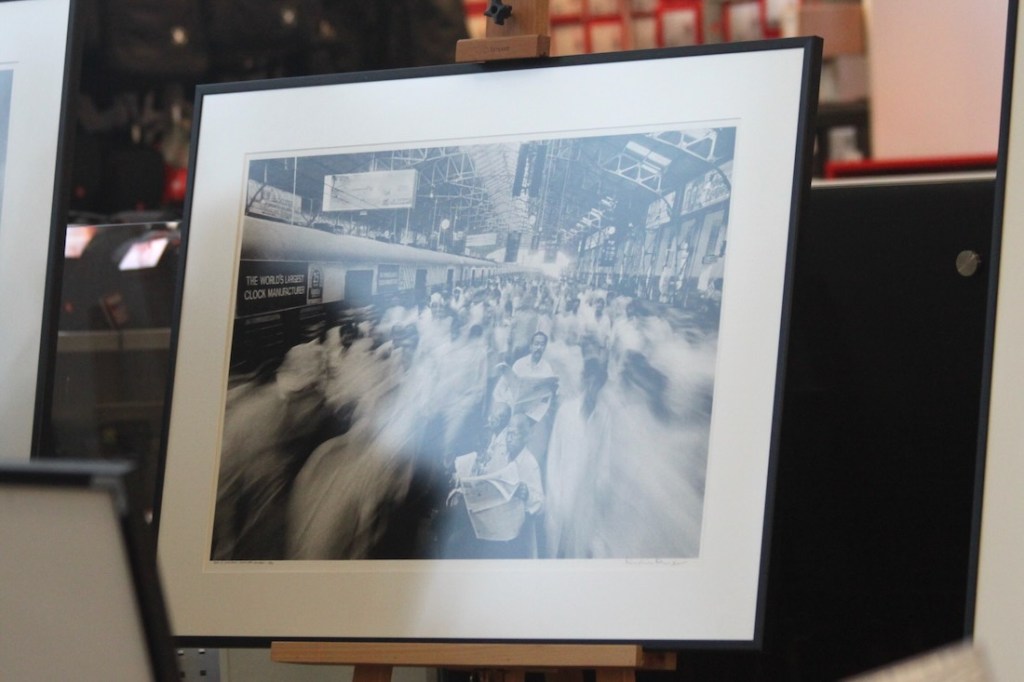
Raghu Rai’s photography was known for its layered compositions and narrative richness. He embraced complexity rather than simplicity, often capturing multiple stories within a single frame.
His recurring themes included human dignity and struggle, spiritual life and ritual practices, political power and leadership, urban transformation and rural continuity.
His ability to observe without interfering allowed him to create images that felt both immediate and timeless.
Documenting History
Among his most significant works was his documentation of the Bhopal Gas Tragedy in India. His photographs of the aftermath became some of the most haunting visual testimonies of industrial disaster ever recorded.
He also created an extensive visual archive of Indira Gandhi, offering a rare perspective on her public and private life. These images remain historically invaluable.
Raghu Rai published more than 40 books during his lifetime, including:
India: Reflections in Black & White
Raghu Rai’s India
Sacred India
He was awarded the Padma Shri for his contribution to the arts.
His legacy lies in the images he created and also in the way he shaped documentary photography in India and beyond. He influenced generations of photographers to approach their subjects with empathy, patience, and integrity.
A Personal Encounter in Helsinki
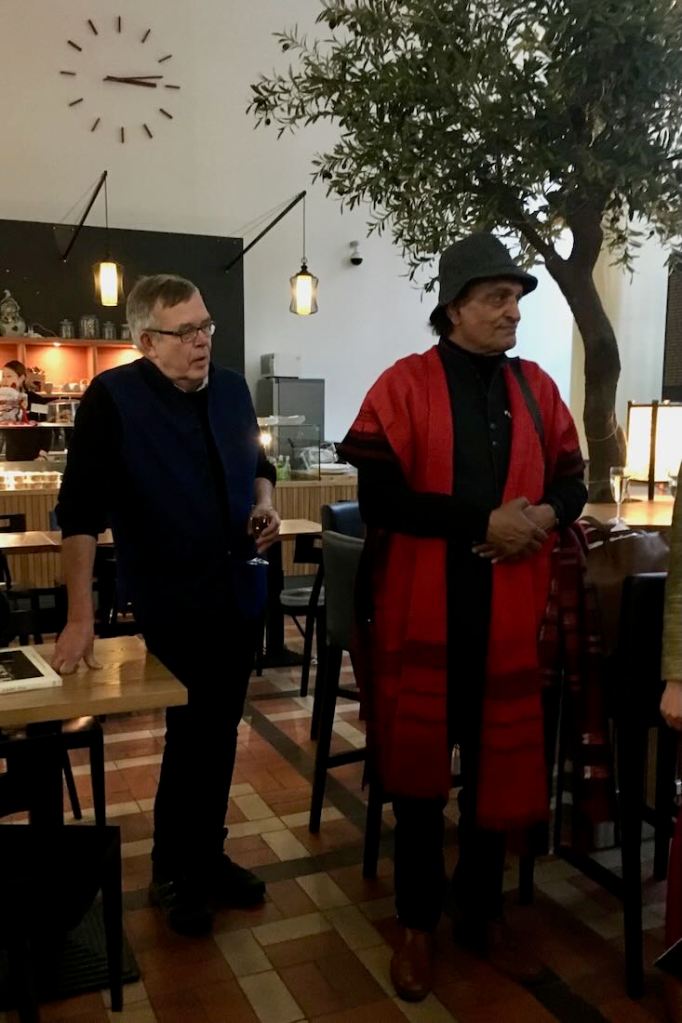
About eight years ago, I had the rare opportunity to meet Raghu Rai in Helsinki, Finland, during the opening of his photography exhibition. The event brought together photography enthusiasts, cultural figures, and admirers of his work.
Rai was present as a photographer and also as a storyteller and speaker. During the opening, he spoke with remarkable clarity about photography as a way of understanding life rather than merely documenting it. His presence was calm yet powerful, reflecting the same depth found in his images.
At the same time, he was also promoting a documentary film, An Unframed Portrait, made by his daughter, Avani Rai, which I mentioned in my Finnish site in 2018. The film, which was seen at the DocPoint festival in Helsinki, offered an intimate look into his life, creative philosophy, and legacy, presenting him as an iconic photographer and also as a father and mentor.
In my case, he encouraged me to take a selfie with a friend and showed how to do it. But it was until the year 2021 I was mostly photographing other people and scenes, although I did exhibit some black&white selfies already back in 1998.
DocPoint Helsinki Documentary Film Festival – A Platform for Visual Narratives
DocPoint Helsinki Documentary Film Festival has long been one of the most important documentary film festivals in the Nordic region. Held annually in Helsinki, it focuses on creative documentary storytelling, bringing together filmmakers, photographers, journalists, and audiences interested in real-world narratives.
The festival is known for its carefully curated program, which often includes works that explore social, political, and cultural themes from around the world. It provides a platform for established creators and also emerging voices.
Raghu Rai’s presence in Helsinki, connected to documentary storytelling through his daughter’s film, aligned naturally with the spirit of DocPoint. Both his photography and the documentary reflected a shared commitment to truth, observation, and human experience. The document was produced by Iikka Vehkalahti from Finland, who passed away in 2024. I met him once on Goa beach and remember him also as a friendly person.
Raghu Rai’s work remains a profound exploration of humanity. His photographs captured events, emotions, atmospheres, and stories that continue to speak long after the moment has passed. His words, his images, and the stories shared through his daughter’s film continue to live on, ensuring that his vision endures far beyond his lifetime.
Read more about travel and art in India from my guide Trip to India with photography and videos.


Leave a Reply