
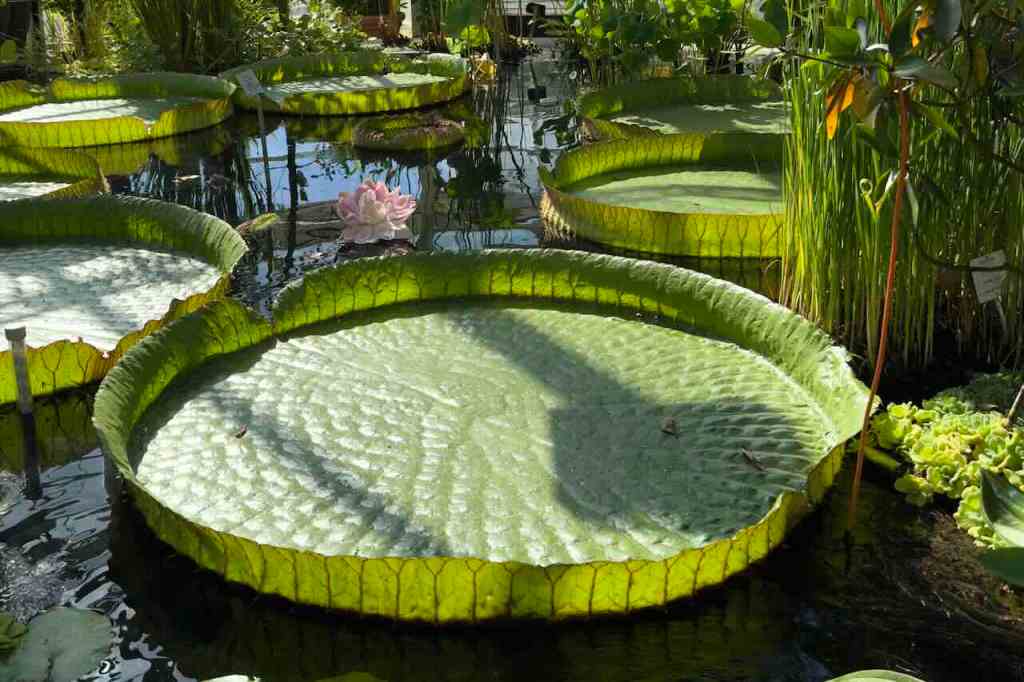
• Helsinki Botanical Garden – A Peaceful Oasis in the Heart of Finland’s Capital

    Spring is a beautiful times to visit Helsinki, as the long Nordic winter slowly gives way to warmer days and brighter evenings, the city begins to bloom. One of the best places to experience this seasonal transformation is the Helsinki Botanical Garden, a peaceful green oasis located just a short walk from the city centre.

    Where Is Helsinki Botanical Garden?

    The Helsinki Botanical Garden is located in the Kaisaniemi district, next to Helsinki Central Railway Station and within walking distance of many of the city’s main attractions. Managed by the University of Helsinki, the garden has served both scientific and recreational purposes for more than a century.

    Its central location makes it an easy addition to any Helsinki sightseeing itinerary.

    Spring Awakens the Garden

    After months of snow and freezing temperatures, spring brings new life to the Botanical Garden. Trees begin to develop fresh green leaves, flower beds burst into color, and migrating birds return to the city.

    Depending on when you visit, you may see:

    • Crocuses emerging through the last patches of snow
    • Colorful tulips and daffodils
    • Magnolias in bloom
    • Cherry blossoms and ornamental trees
    • Fresh spring foliage throughout the park

    The changing landscape makes every spring visit slightly different, offering new photographic opportunities throughout the season.

    Helsinki Botanical Garden in spring

    Exploring the Historic Greenhouses

    One of the highlights of the Botanical Garden is its collection of historic greenhouses. These beautifully preserved glasshouses allow visitors to explore tropical and subtropical environments year-round.

    Inside, travelers can discover:

    • Tropical rainforest plants
    • Palm trees
    • Exotic orchids
    • Succulents and cacti
    • Rare botanical specimens from around the world

    The warm and humid atmosphere provides a fascinating contrast to the cool Finnish spring outside.

    A Quiet Escape from the City

    Although the Botanical Garden is located in central Helsinki, it feels surprisingly peaceful. Visitors can stroll along winding paths, sit on benches, observe birds, or simply enjoy a moment of calm away from busy streets and shopping districts.

    The garden is especially appealing for travelers seeking a slower, more local experience during their visit to Helsinki.

    Combine Your Visit with Nearby Attractions

    The Botanical Garden is conveniently located near several popular Helsinki attractions.

    Nearby places worth visiting include:

    • Kaisaniemi Park
    • Helsinki Central Railway Station
    • Senate Square
    • Helsinki Cathedral
    • Market Square

    Together, these attractions can easily fill a relaxing day in the Finnish capital.

    Practical Information for Visitors

    Spring weather in Helsinki can vary significantly. It is a good idea to dress in layers and bring a light jacket, especially during April and early May. By the end of June the weather gets warm or hot.

    The outdoor garden is free to explore, while the greenhouses usually require an admission ticket. Opening hours vary by season, so visitors should check current information before arriving.

    Find more inspiring travel ideas for Helsinki from my visual guide INDIVUE – Trip to Helsinki
  • Podcast Episode: Journey Through European Flavours with Tallink | Silja Line Ship’s Wines

    *pr-event with Tallink Silja

    Pip: There are ferry crossings, and then there are ferry crossings where someone hands you champagne with wasabi salmon and a dark German porter wrapped in a paper sleeve — INDIVUE has been doing the hard work so we don’t have to wonder.

    Mara: This episode covers one tasting event that opens into a full tour of European wine and beer culture, from Baltic shores to French champagne country to the vineyards of Castilla-La Mancha. Let’s start with the flavours themselves.

    European Flavours Aboard Tallink Silja Line

    Mara: The question here is what it actually means to curate signature drinks for a ferry line — not just stocking a bar, but building pairings that reframe how passengers think about what they’re drinking and eating together.

    Pip: The post sets this up with a concrete example from the tasting event. The write-up describes champagne paired with salmon sushi and wasabi, and notes: “The sharp heat of the wasabi and the elegant freshness of the champagne complemented each other in an unforgettable way.”

    Mara: That pairing works because the champagne’s acidity cuts through the fat in the salmon while the bubbles reset the palate after the heat — it sounds counterintuitive until you taste it, and that’s exactly the point of a curated event like this.

    Pip: And the pairings keep going in unexpected directions. Rosé with grilled corn and spicy peppers. Italian prosecco with cheese and olives — described as light, elegant, and timeless. Even sweet coated popcorn with champagne, which somehow also worked.

    Mara: The organic angle is worth noting too. The Spanish wines came from a producer who cultivates his vineyards in Castilla-La Mancha with his father, organically. The post mentions that Tallink Silja has kept organic wines in their signature range going back to at least 2024.

    Pip: So the lineup isn’t just European geography as decoration — it’s a deliberate editorial choice about quality and provenance. Which makes the standout all the more earned.

    Mara: The standout is the Insel-Brauerei Käpt’ns Baltic Porter from the island of Rügen in northern Germany. The brewery holds multiple World’s Best Beer awards, and the post quotes its pairing guidance directly: “It also pairs beautifully with rich desserts. For a fun and indulgent pairing, try it with chocolate cake, brownies or tiramisu, where the beer’s depth enhances sweet and roasted flavors.”

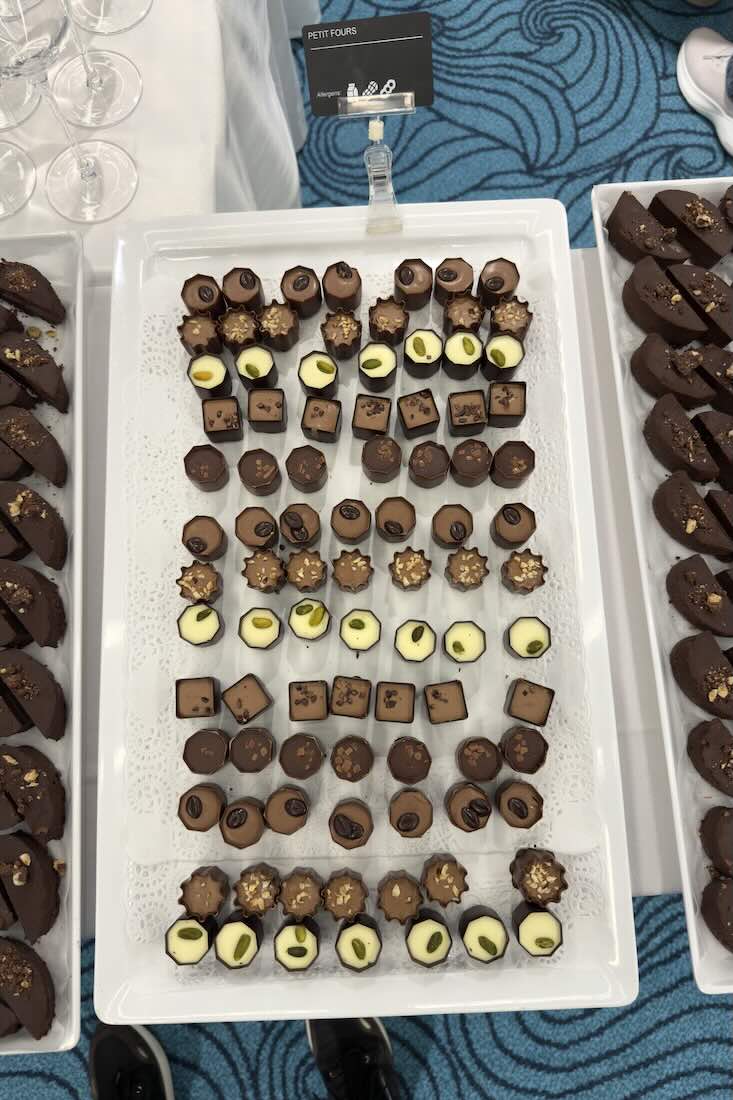
    Pip: Served at the event with a chocolate praline, it became, in the post’s words, the most memorable flavour experience of the entire evening — from someone who had written off dark beers after a disappointing Guinness in Ireland.

    Mara: The Estonian lager, the French champagne from Épernay, the Italian Primitivo, the Spanish rosé — the full 2026 to 2028 lineup reads as a shortlist for bringing something genuinely considered home from the ship.

    Pip: A bottle in a paper sleeve that also happens to be an aesthetic object. Onboard retail has clearly leveled up.

    Mara: And the post notes that the alcohol-free beers from the same range are already sold in Finnish S-markets — which suggests the curation extends well beyond the ship itself.


    Pip: Champagne with wasabi, dark porter with chocolate — the lesson seems to be that the combinations you’d never try are sometimes the ones that stay with you.

    Mara: European flavour traditions have a lot of ground still to cover. More of that in the next episode.


    Read the original article by INDIVUE here