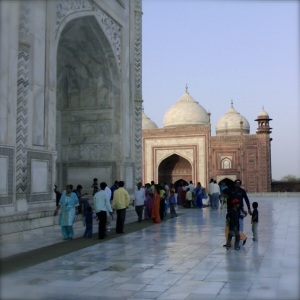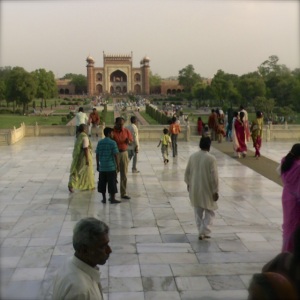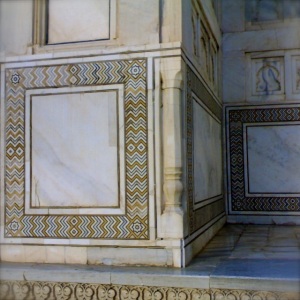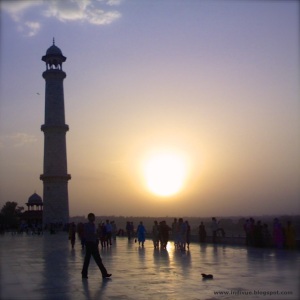
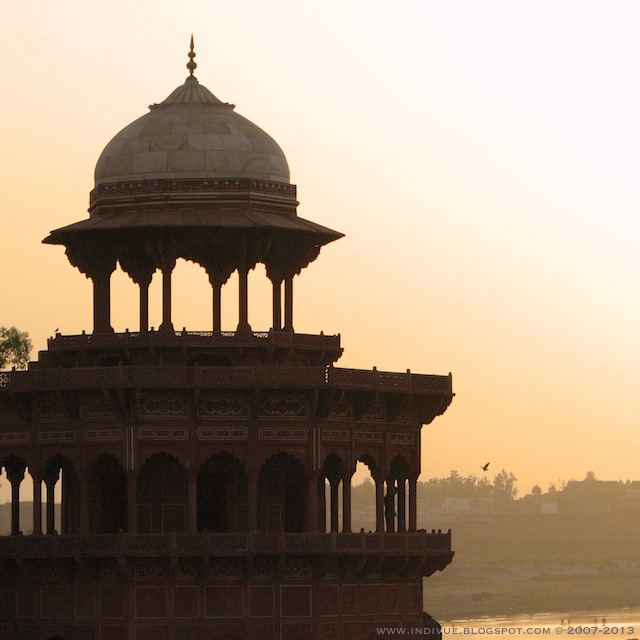
• Taj Mahal in India, photographed with a digital compact camera in 2007

    The Digital Compact Revolution

    The evolution of photography has seen various milestones, and in the early 2000s, digital compact cameras were reshaping photography. By 2007, their capabilities had reached impressive new heights, making them the preferred choice for many travel enthusiasts. They offered a blend of portability and quality, which rendered the art of capturing memories more accessible to the masses.

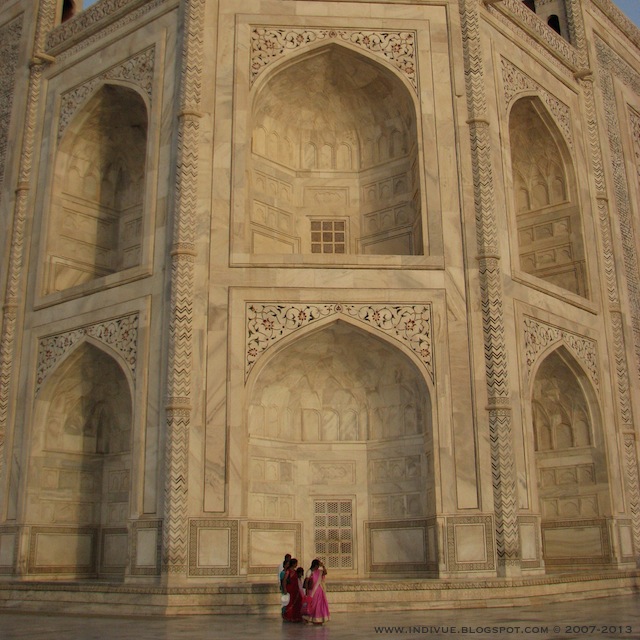
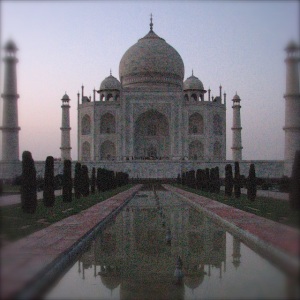
    The Taj Mahal, under this digital lens in 2007, was portrayed with unprecedented clarity and vibrancy. The hues of the dusk, the minute details of the mausoleum’s facade, and the symmetry of the monument were all encapsulated beautifully, showcasing what compact cameras of the era could achieve.

    A New Era of Travel Documentation

    The 2007 images of the Taj Mahal were more than just photographs; they signified a change in how travelers documented their journeys. No longer were they limited by bulky equipment or film rolls. Compact digital cameras, with their growing resolutions and user-friendly interfaces, encouraged even amateur photographers to chronicle their experiences with professional-like quality.

    These photographs underscored the potential of these devices, suggesting that compelling storytelling and authentic documentation were now in the hands of everyday travelers. They were proofs that moments, no matter how grand or historic, could be immortalized without professional gear.

    As we continue to navigate the dynamic world of photography, these photographs serve as a reminder that innovation can bring the wonders of the world, like the Taj Mahal, closer to us, making them both relatable and awe-inspiring.

    This is Taj Mahal in Agra, India, in 2007 in photos taken with a digital compact camera.

    Taj Mahal, India, and a compact camera in the year 2007
    Taj Mahal, India, with a digital compact camera in 2007
    Taj Mahal, India, and a compact camera in the year 2007
    Taj Mahal and people
    Taj Mahal, India, and a compact camera in the year 2007
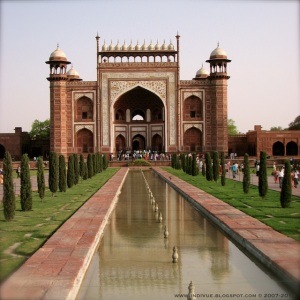
    The entrance to the Taj Mahal
    Yamuna river flowing behind Taj Mahal
    Yamuna river flowing behind Taj Mahal
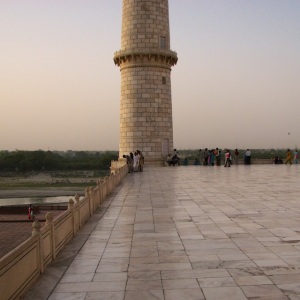
    Tourists behind Taj Mahal
    Taj Mahal at dusk
    Taj Mahal at dusk
    Sunset seen from Taj Mahal
    Sunset seen from Taj Mahal

    For a comparison, see also photographs of Taj Mahal with a phonecamera here 

    and Taj Mahal with a SLR camera in here.

    See also the video of Sunset behind Taj Mahal

    and find more photographs of Taj Mahal in one minute here
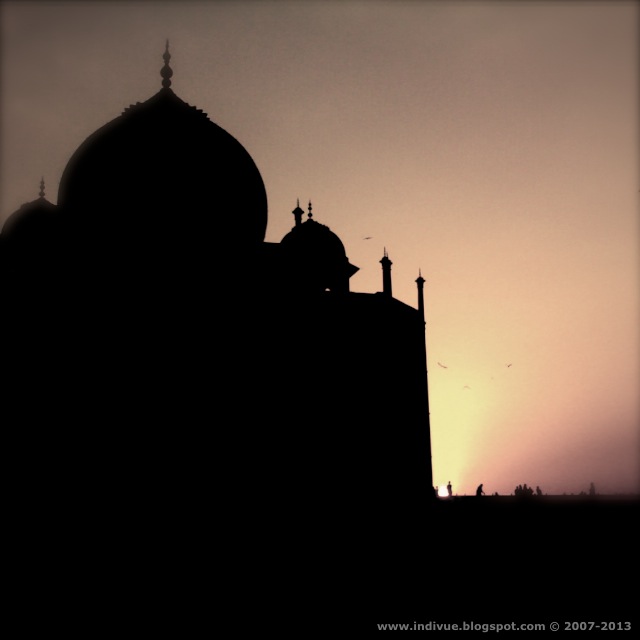
  • Taj Mahal, India, photographed with a phone camera in 2007

    (Updated 8/2023)

    The Taj Mahal, standing tall on the banks of the Yamuna River in Agra, India, has always been a photographer’s delight. But capturing its grandeur and intricate design was mostly limited to professional photographers with high-end cameras. Nokia’s innovation in mobile phone cameras changed that.

    In 2007 I captured the majestic Taj Mahal, India’s iconic symbol of love and architectural marvel, through the lens of a Nokia phone camera. This event wasn’t just a novelty; it marked a turning point in accessible photography and displayed the incredible advances in mobile camera technology.

    In 2007, Nokia’s phone cameras were making waves for their quality and convenience. They allowed everyday individuals to take photographs that were once only possible with professional equipment. Capturing the Taj Mahal with a Nokia phone demonstrated that photography was no longer confined to the elite but was within reach of the general public.

    The image of the Taj Mahal taken with a Nokia phone camera was more than just a photograph exhibiting the Taj Mahal in its natural glory under the soft late afternoon sunlight; it was a testament to technological evolution. Though not as detailed as photos taken with professional cameras, the image captured the essence and emotion of this magnificent monument.

    Nokia and the Mobile Photography Revolution

    Nokia’s commitment to enhancing camera technology in mobile phones paved the way for a new era. The Taj Mahal’s photograph tells about this revolution, which later was to give rise to a culture where anyone could be a photographer, capturing and sharing life’s moments instantly.

    From journalists who began to use mobile cameras for on-the-spot reporting to travelers sharing their experiences in real-time, the impact was profound. Nokia’s role in this transformation is undeniably significant, setting standards for quality and innovation that continued to influence the industry.

    The photograph of the Taj Mahal taken with a Nokia phone camera in 2007 wasn’t just a beautiful image; it was a milestone in technological advancement and cultural shift. It proved that art and creativity were not confined to specialized tools but could thrive with something as ubiquitous as a mobile phone.

    As we continue to see advancements in mobile camera technology, the 2007 image stands as a reminder of a significant leap that made photography accessible to all. It represents a democratization of an art form and signifies how technology can break barriers, fostering creativity and connection across the globe.

    Here you can see Taj Mahal in Agra, India, which I photographed with a Nokia phone camera in 2007.

    Wall decoration of Taj Mahal
    Wall decoration of Taj Mahal
    Taj Mahal, India, photo with Nokia phone 2007
    People wearing socks or walking bare foot to protect the surface of Taj Mahal
    Wall decoration of Taj Mahal
    Wall decoration of Taj Mahal
    Taj Mahal, India, photo with Nokia phone 2007
    Entrance to Taj Mahal far in the horizon
    Taj Mahal, India, photo with Nokia phone 2007
    Walls of Taj Mahal in 2007
    Taj Mahal, India, photo with Nokia phone 2007
    Sun setting behind Taj Mahal
    Sun setting by the Taj Mahal
    Sun setting by the Taj Mahal

    For a comparison see also Taj Mahal photographed with an iPhone-lens, Taj Mahal photographed with a digital compact camera and Taj Mahal photographed with an SLR camera. All photographs by Indivue.

    See also the video of Sunset behind Taj Mahal

    and find more photographs of Taj Mahal in one minute here